
Weekly Future Planning Sessions for Long Distance Couples Ready to Close Distance
Tethered is the #1 app for long-distance couples. Join thousands of couples bridging the distance with daily games and connection.


Picture this: you're lying in bed at 2 AM, texting your partner about "someday" moving in together, but neither of you actually knows when that'll happen or who's moving where. I've watched so many long-distance couples get stuck in this limbo—constantly talking about closing the gap but never making concrete plans. The thing is, when you're ready to actually make the move, you need more than late-night wishful thinking. You need structured weekly planning sessions that tackle the messy reality of merging two separate lives into one location.

Sunday Night Reality Checks: Building Your Shared Timeline Without Rose-Colored Glasses
I've learned the hard way that Sunday nights are when the fantasy meets reality. This is when you both need to be brutally honest about where you actually stand.
Phase 1: The Financial Inventory (Months 1-3) Pull up your bank accounts together. I mean literally screenshare and look at the numbers. Moving costs, security deposits, job hunting while unemployed - it all adds up fast. My partner and I thought we had enough saved until we actually listed every expense.
Phase 2: The Career Reality Check (Months 3-6) Stop saying "I'll figure out work when I get there." Start applying to jobs in the target city now. I spent three months networking and applying before my move, and still barely landed something in time.
Phase 3: The Backup Plan (Ongoing) What happens if the job falls through? If the apartment search fails? Having these conversations on Sunday nights when you're both tired but honest prevents panic decisions later.
Money Talks That Actually Move You Forward (Instead of Starting Fights)
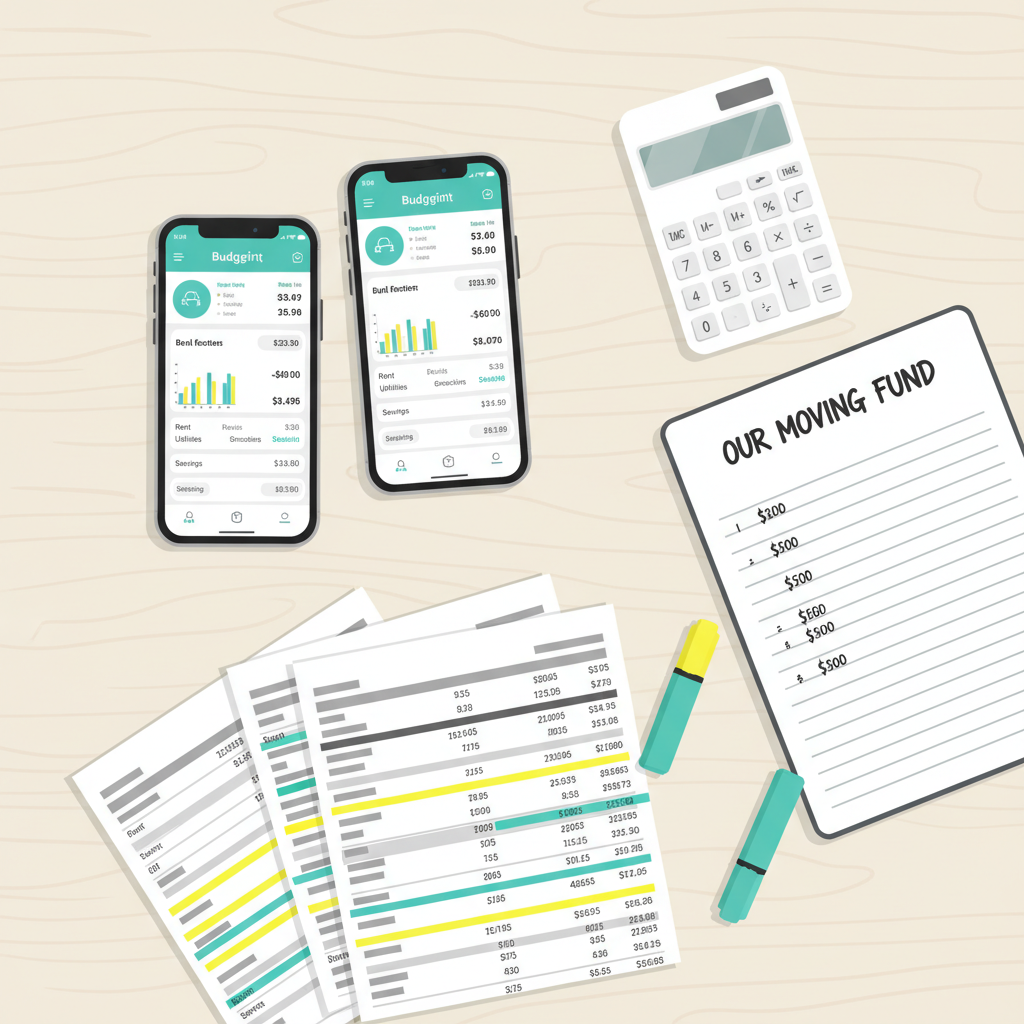
I've watched too many couples explode over money conversations because they're having the wrong ones. Stop debating who spends more on coffee and start tracking actual closing-the-distance numbers together.
Create a shared spreadsheet with three columns: your moving fund, their moving fund, and joint expenses (visits, application fees, shipping). Update it during these sessions, not when you're stressed about rent. When my partner and I finally did this, we stopped the weird financial resentment and started actually saving. Money fights happen when you're guessing about each other's situation.
Glossary:
Moving Fund: Individual savings specifically designated for relocation costs like security deposits, travel, initial setup expenses
Joint Expenses: Shared costs directly related to closing distance - visa fees, visits, international shipping, legal consultations
Financial Transparency Session: Regular review of both partners' actual numbers, debt, and savings progress without judgment or comparison

Job Hunt Coordination: When One Person Needs to Leap First
Mistake: Putting all job search pressure on the "moving" partner Someone has to make the leap, but I've watched couples burn out when one person carries the entire burden. Instead, treat it like a team project. The staying partner can research companies, help with applications, even network locally. You're both invested in this move working.
Mistake: Not planning for the income gap That 2-6 month period between quitting and finding new work is brutal. I learned to build a specific "leap fund" and discuss exactly how long you can sustain one income. No wishful thinking allowed.
The Logistics Deep Dive Sessions That Save Your Sanity Later
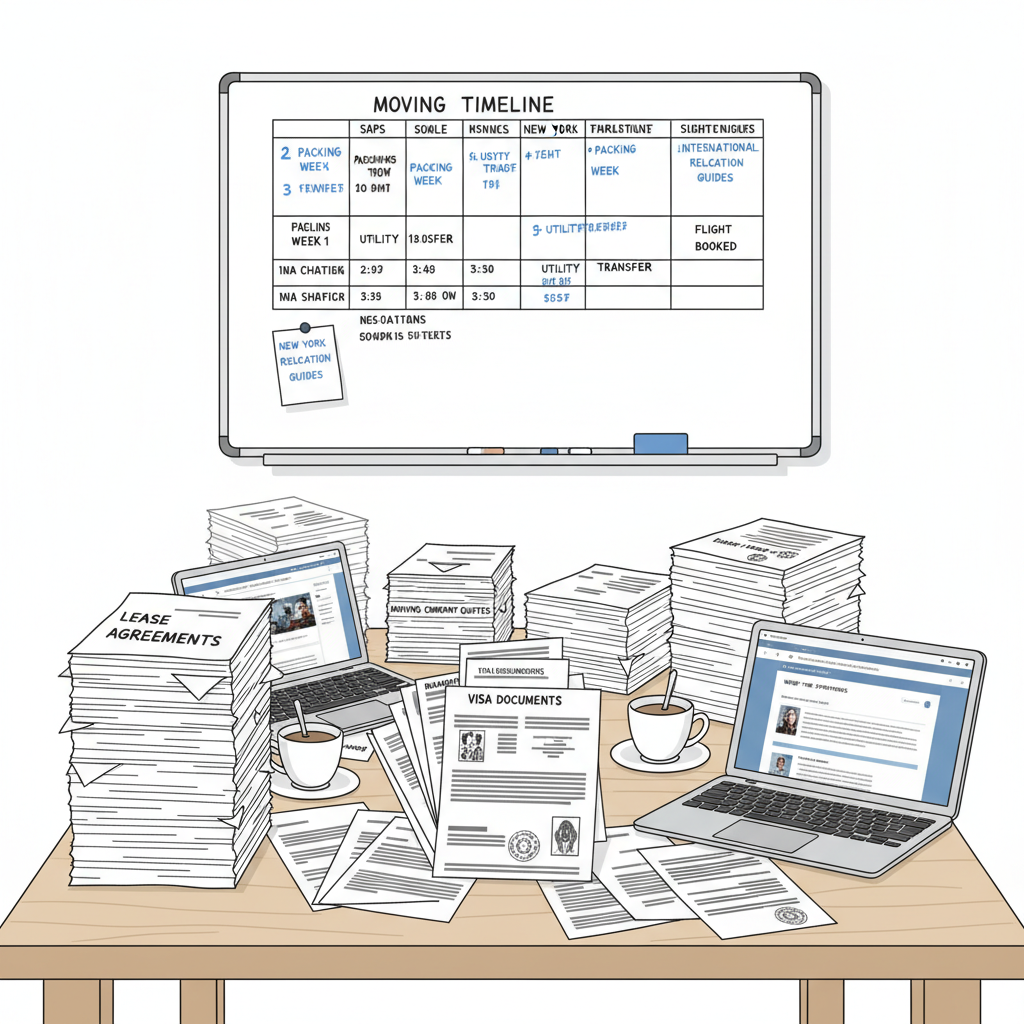
I learned the hard way that "we'll figure it out when we get there" is relationship suicide when closing distance. These sessions became my lifeline for tackling the unglamorous stuff that actually makes or breaks your move.
Logistics sessions are dedicated conversations focused purely on practical moving details - no romantic daydreaming allowed. I'd block out 90 minutes every other week specifically for this.
What we covered: lease break fees (mine was $2,800), job transition timelines, whose credit gets the new apartment, and pet relocation costs that nobody warns you about. My cat's cross-country move cost $400 plus vet paperwork I hadn't considered.
The key is separating these conversations from your regular romantic calls. When you're stressed about finding movers, you don't want that bleeding into your good morning video chat.
Common Questions Answered
How often should we actually be doing these planning sessions without burning out?
I'd recommend starting with every other week - weekly sounds great in theory but honestly, most couples I know who try that end up feeling like it's another chore on top of an already complicated long-distance situation. You want these sessions to feel productive and exciting, not like you're clocking in for a meeting with your partner.
What do we even talk about if our closing timeline is still super vague?
Focus on the small steps you can take right now instead of trying to nail down exact dates - like researching job markets, building savings goals, or figuring out visa requirements if international. From what I've seen, couples who get stuck on "when exactly" end up spinning their wheels, but those who focus on "what can we do this month" actually make progress.
Should we be making backup plans or does that show we're not committed enough?
Having a Plan B doesn't mean you're not serious - it means you're being realistic about the fact that life throws curveballs. I'd actually say couples who refuse to discuss alternatives are setting themselves up for way more stress when something inevitably doesn't go according to the original timeline.
Your Weekly Reality Check
Here's my take: these sessions aren't just about planning—they're about proving to yourselves that closing distance is actually happening, not just wishful thinking. I'd start with one 30-minute session this week. The couples who make this work are the ones who treat their future like it's already real.