
How to Argue Productively in Long Distance Relationships Without Damaging Trust
Tethered is the #1 app for long-distance couples. Join thousands of couples bridging the distance with daily games and connection.


I've watched too many long-distance couples turn minor disagreements into relationship-ending blowouts over text. There's something about arguing through screens that makes everything feel more personal, more permanent. You can't see their face, can't gauge their tone, and suddenly you're both assuming the worst about each other's intentions. The distance amplifies every misunderstanding until trust starts cracking.
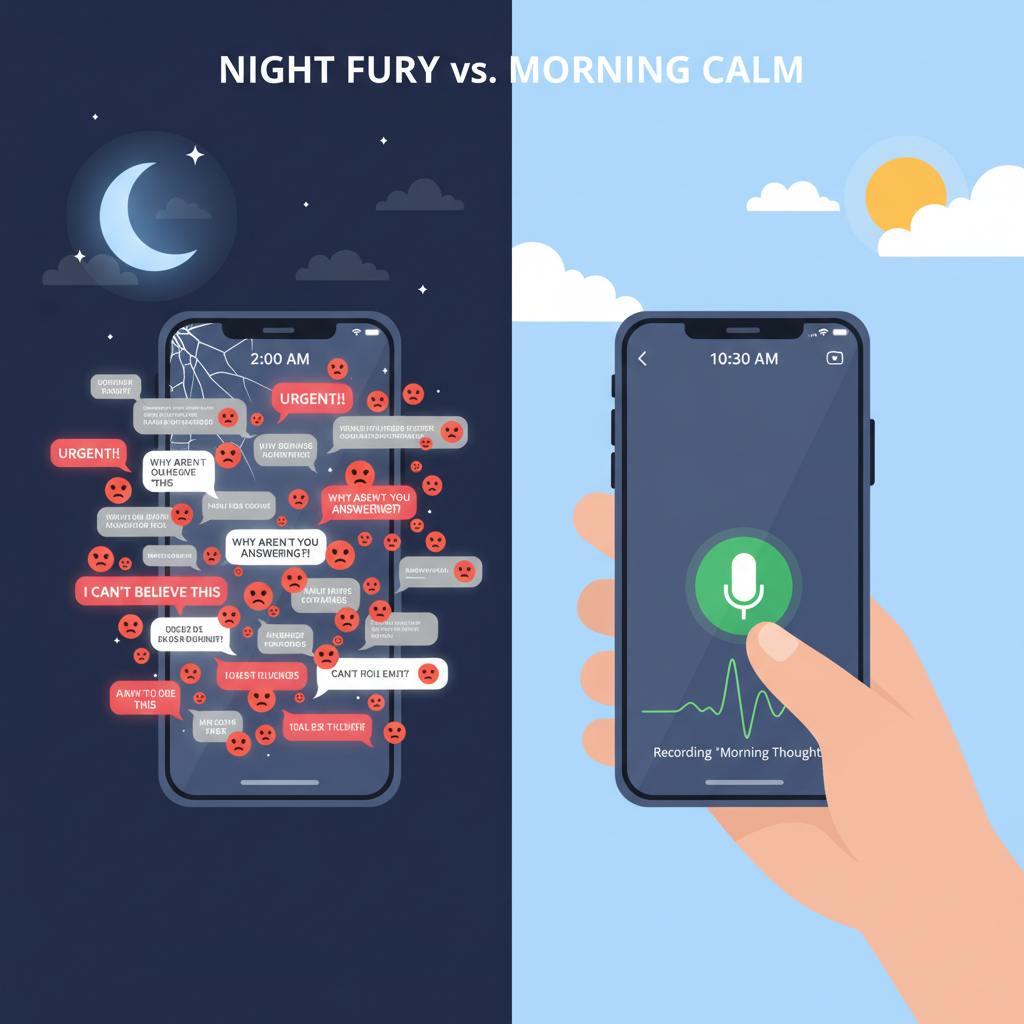
Why Your 2 AM Fight Texts Are Relationship Poison (And What to Send Instead)
Myth: Staying up until 2 AM to "resolve" your fight via text shows dedication to the relationship.
Reality: Those exhausted, rambling paragraphs you fire off at midnight are relationship killers. I've learned this the hard way – when you're tired and emotional, everything comes out wrong over text.
Myth: You need to respond immediately to every heated message to keep the peace.
Reality: The "I'm too upset to think clearly right now, can we talk tomorrow at 7 PM?" text is pure gold. It stops the spiral without dismissing their feelings. I wish someone had taught me this years ago.
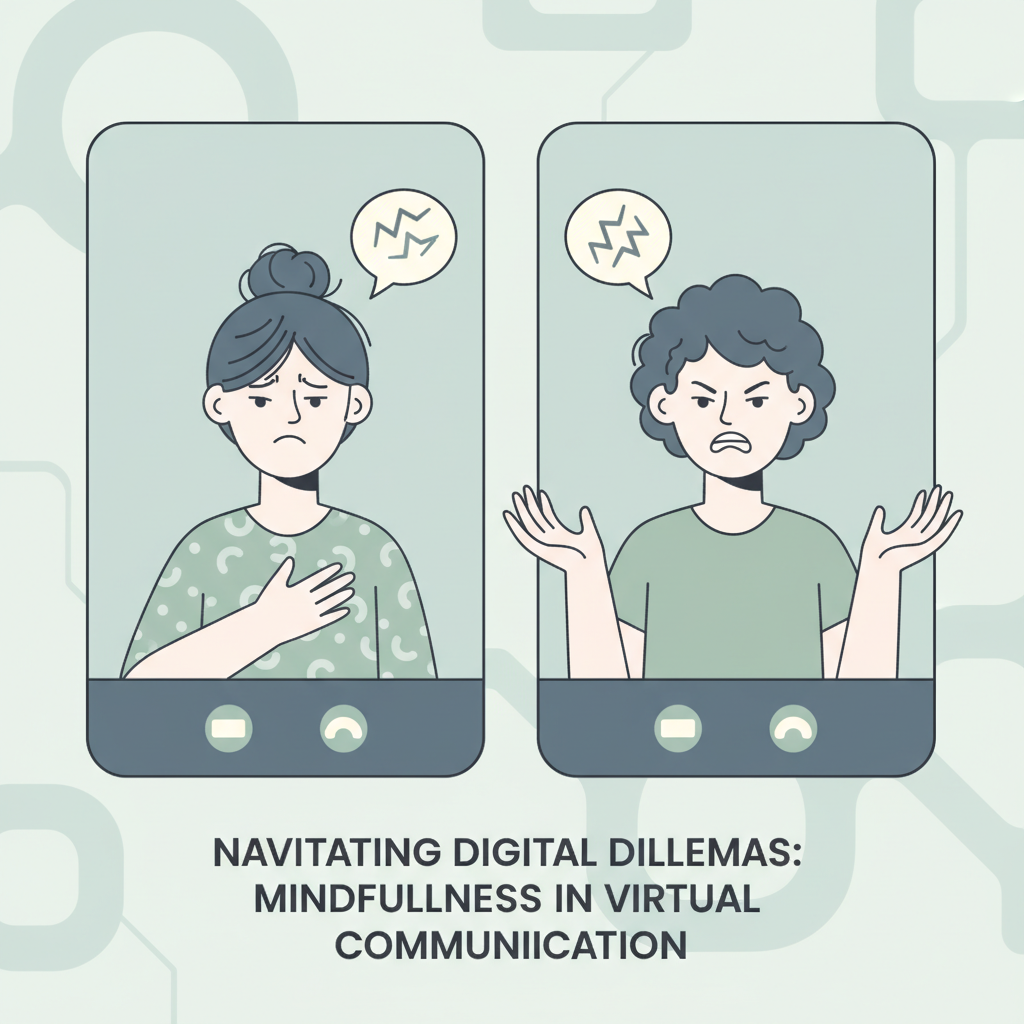
Fighting Fair When You Can't Read Body Language: My Hard-Won Rules
Before: "You always interrupt me!" said through gritted teeth during a video call, while I'm actually just excited to respond.
After: "Hey, I need to finish this thought before you jump in, okay?" Same message, zero venom.
I've learned that without body language, every word carries triple weight. My partner can't see that I'm smiling when I tease, or that my crossed arms are because I'm cold, not defensive.
My non-negotiables now: Lead with intention ("I'm frustrated, not attacking you"), use their name when things get heated (creates connection), and ask "How did that land?" instead of assuming they understood my tone.
The game-changer? Video calls for anything serious. Text fights are relationship poison – too much room for misinterpretation, too easy to say things you'd never say face-to-face.
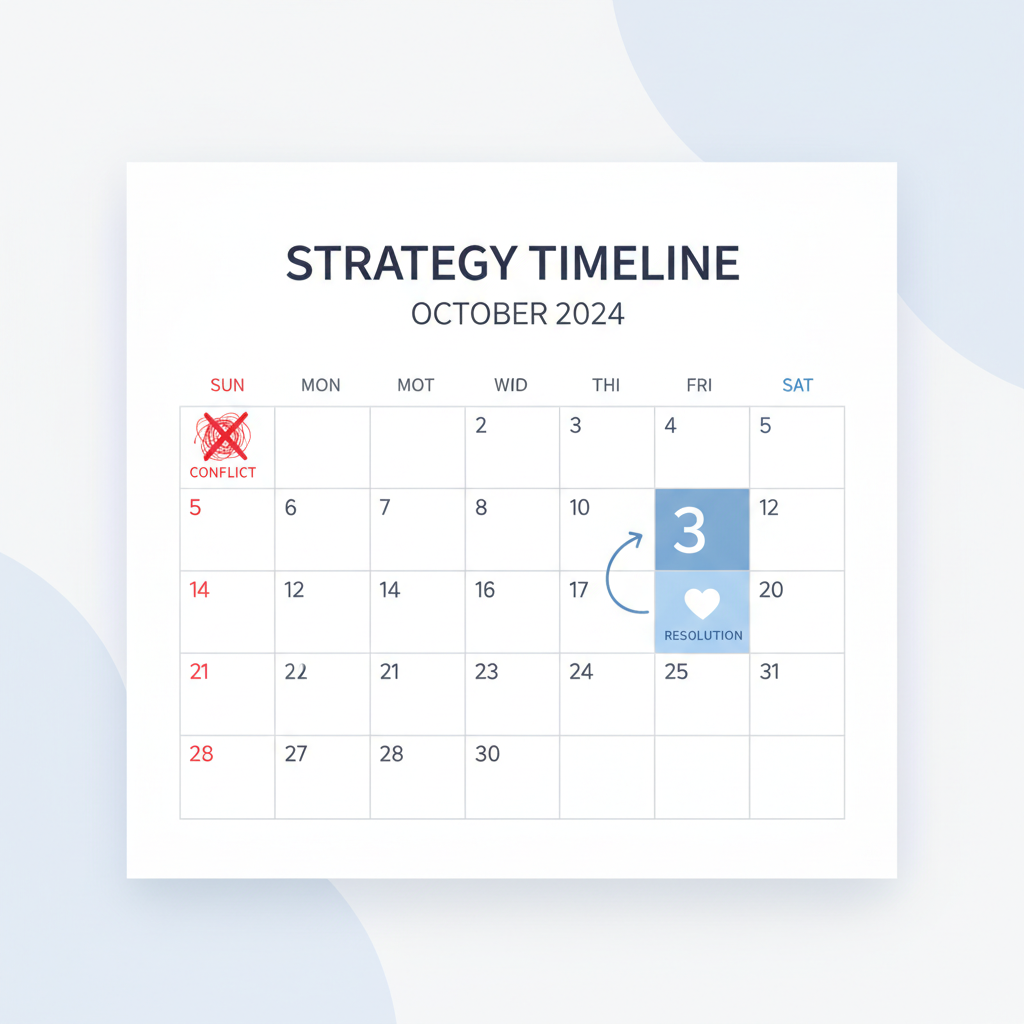
The 48-Hour Rule That Saved My Sanity (And My Relationship)
Here's what I learned after one too many 2 AM screaming matches over video call: when things get heated, I give us both 48 hours before we try to resolve anything major.
How it works:
- When the fight escalates, I say "I need some time to think about this properly"
- We both step back for exactly two days - no passive-aggressive texts or relationship talks
- After 48 hours, we schedule a specific time to discuss it
The magic happens in those two days. My anger cools down, I stop catastrophizing, and I can actually figure out what I'm really upset about versus what's just distance frustration. My boyfriend does the same thing. When we finally talk, we're both way more reasonable humans.
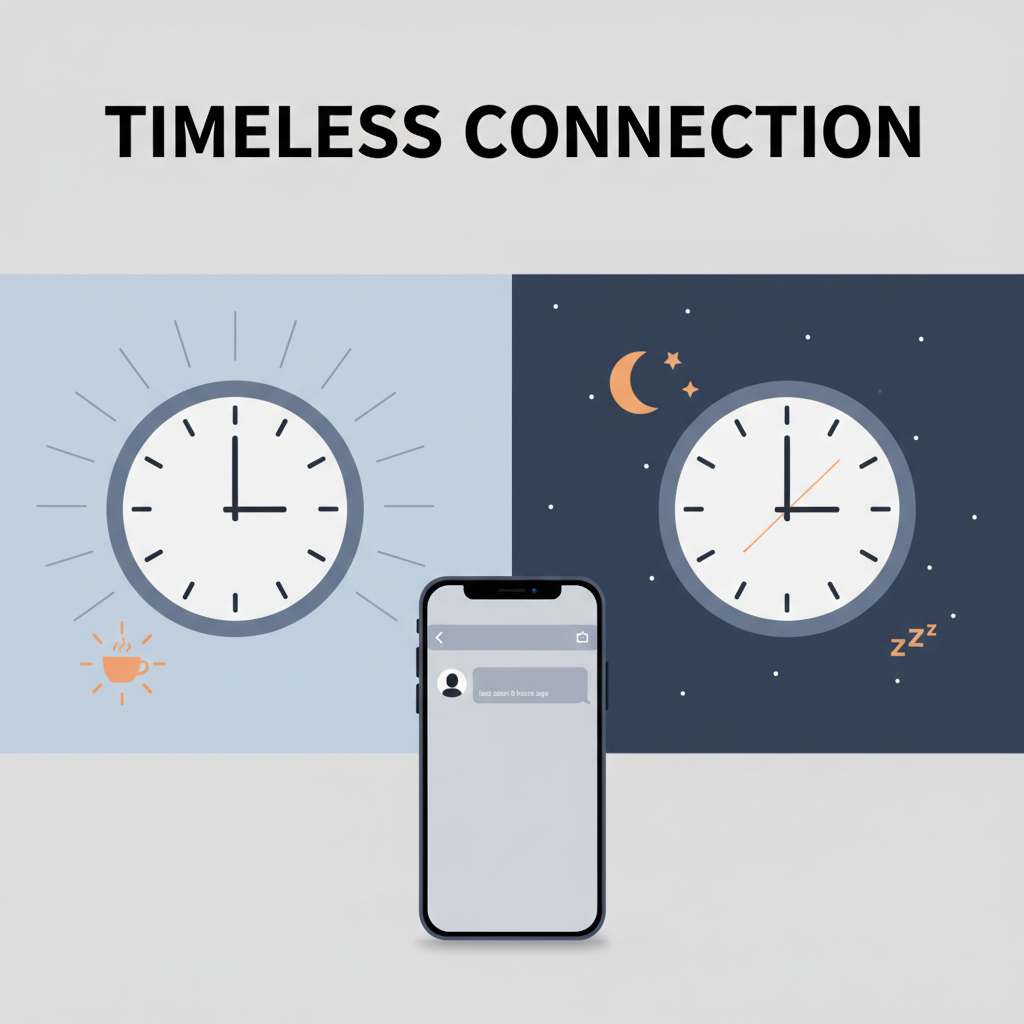
When Your Partner Goes Silent Across Time Zones: A Survival Guide
Basic Level: The Waiting Game
I've learned that silence hits differently when there's an ocean between you. That three-hour gap between their last message and your growing panic? It's probably just them sleeping, not plotting your breakup.
My rule: wait one full sleep cycle before assuming the worst. If they usually respond within a few hours and suddenly go dark for 12+ hours, then you can start worrying.
Intermediate Level: The Check-In System
What saved my sanity was establishing "I'm alive" signals. Not full conversations—just a quick emoji or "heading to bed, talk tomorrow." Takes five seconds, prevents hours of overthinking.
Advanced Level: Strategic Silence
Sometimes I go quiet first when I'm too angry to be fair. I'll text "Need some time to think, will message you by [specific time]" instead of radio silence. Gives us both space without the guessing game.

Rebuilding After You Said Something You Can't Take Back Through a Screen
I've watched people try two completely different approaches after sending something truly hurtful in a long-distance fight, and the difference is night and day.
The wrong way: firing off fifty follow-up texts explaining what you "really meant" or why they misunderstood. I did this once after calling my partner "impossible to deal with" during a video call. Those frantic explanations just made everything worse.
The right way: stop typing immediately. Call them if they'll pick up, or send one voice message saying "I said something cruel and I want to talk about it properly." Then wait.
Text apologies feel hollow because your partner can't hear your actual remorse. I've found that rebuilding trust after screen-mediated damage requires getting back to voices, even if it's uncomfortable.
Frequently Asked Questions
How long should you wait to cool down before discussing a fight in a long distance relationship?
I've learned the hard way that 24-48 hours is usually the sweet spot - long enough to get past the initial anger but not so long that resentment builds up. Any longer than that and you're basically letting the issue fester, which is relationship poison when you can't just show up at their door to talk it out.
How much does couples therapy cost for long distance relationships and is it worth it?
Online couples therapy typically runs $60-120 per session, and honestly, it's been one of the best investments I've made in my relationship. When you're fighting across time zones and can't read body language properly, having a neutral third party help you communicate is invaluable - way cheaper than a breakup.
How do you argue without hanging up or going silent for days in a long distance relationship?
I've found that setting a "no hang-up rule" before any serious conversation is crucial - agree that if someone needs space, they say "I need 20 minutes" instead of just disappearing. The silent treatment is absolutely toxic in long distance because your partner has zero context for why you vanished, and their mind will fill in the worst possible scenarios.
The Distance Test
Here's my honest take - if you can argue well across miles of separation, you've probably got something worth keeping. The couples who master this stuff early on? They're the ones still together years later.
For advanced readers, there's a whole other level involving conflict timing and emotional labor distribution - but that's another conversation entirely.