
How to Create Physical Touch Simulation in Long Distance Relationships
Tethered is the #1 app for long-distance couples. Join thousands of couples bridging the distance with daily games and connection.


I've watched too many long-distance couples struggle with the hardest part—not being able to actually touch each other. You can video call for hours, but there's still this aching gap where physical connection should be. Here's the thing though: I've discovered some genuinely clever ways to bridge that gap using technology and a bit of creativity. In this article, I'll walk you through the most effective methods I've found for creating real physical sensations across miles—from haptic devices to synchronized activities that actually make you feel connected to your partner's presence.
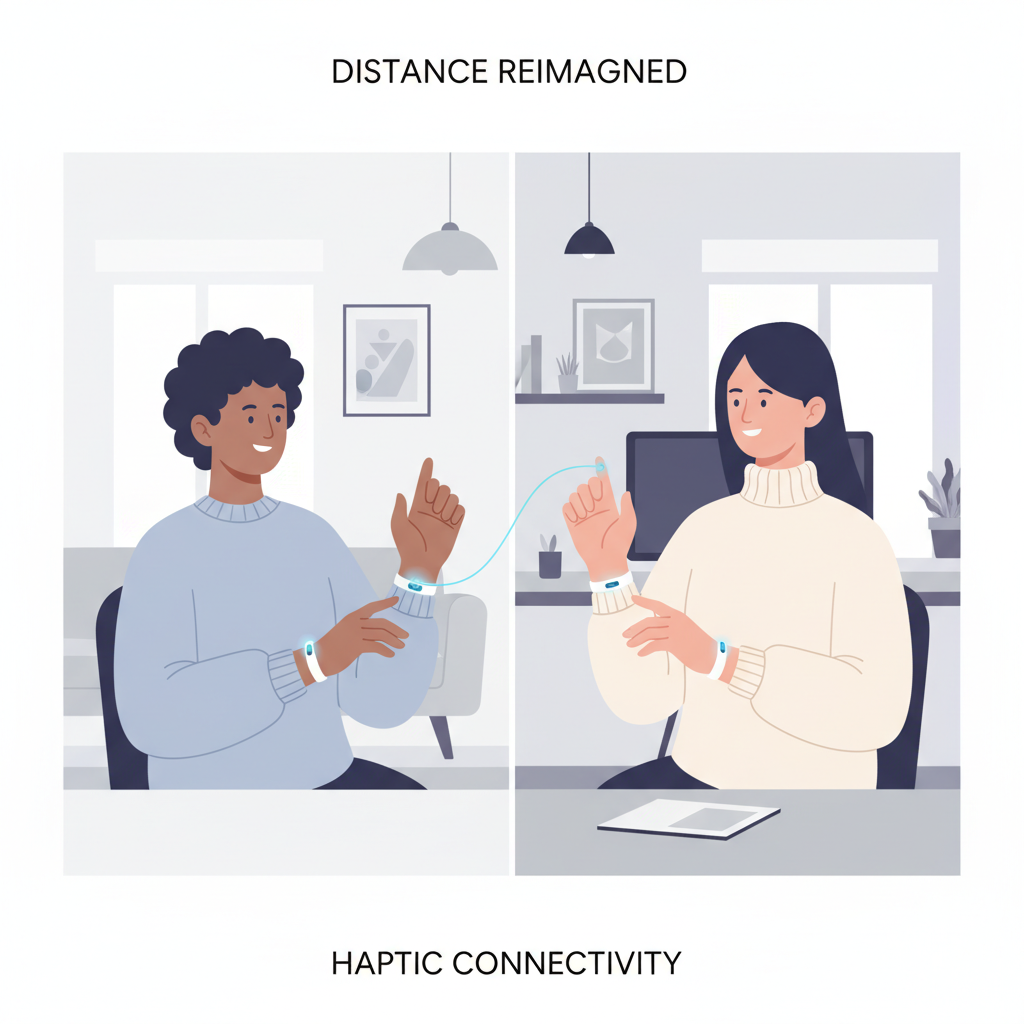
Synchronized Touch Devices That Actually Work (And Which Ones Don't)
Skip the Bond Touch bracelets - I tried these for three months and they're glorified vibrating notifications. The "touch" feels like a phone buzz, nothing intimate about it.
Consider Kiiroo devices if you're both committed - Pricey but actually syncs properly. The Onyx/Pearl combo worked reliably for us, though setup was annoying.
Test Lovense products with their app first - Download their remote app before buying anything. If the connection drops constantly during the trial, their toys won't work better.
Avoid anything under $50 - Cheap knockoffs from Amazon are trash. I've thrown away four different "couples massage" devices that never stayed connected.
Have backup plans ready - Even good devices fail. Keep your phone handy for video calls when tech inevitably glitches mid-moment.
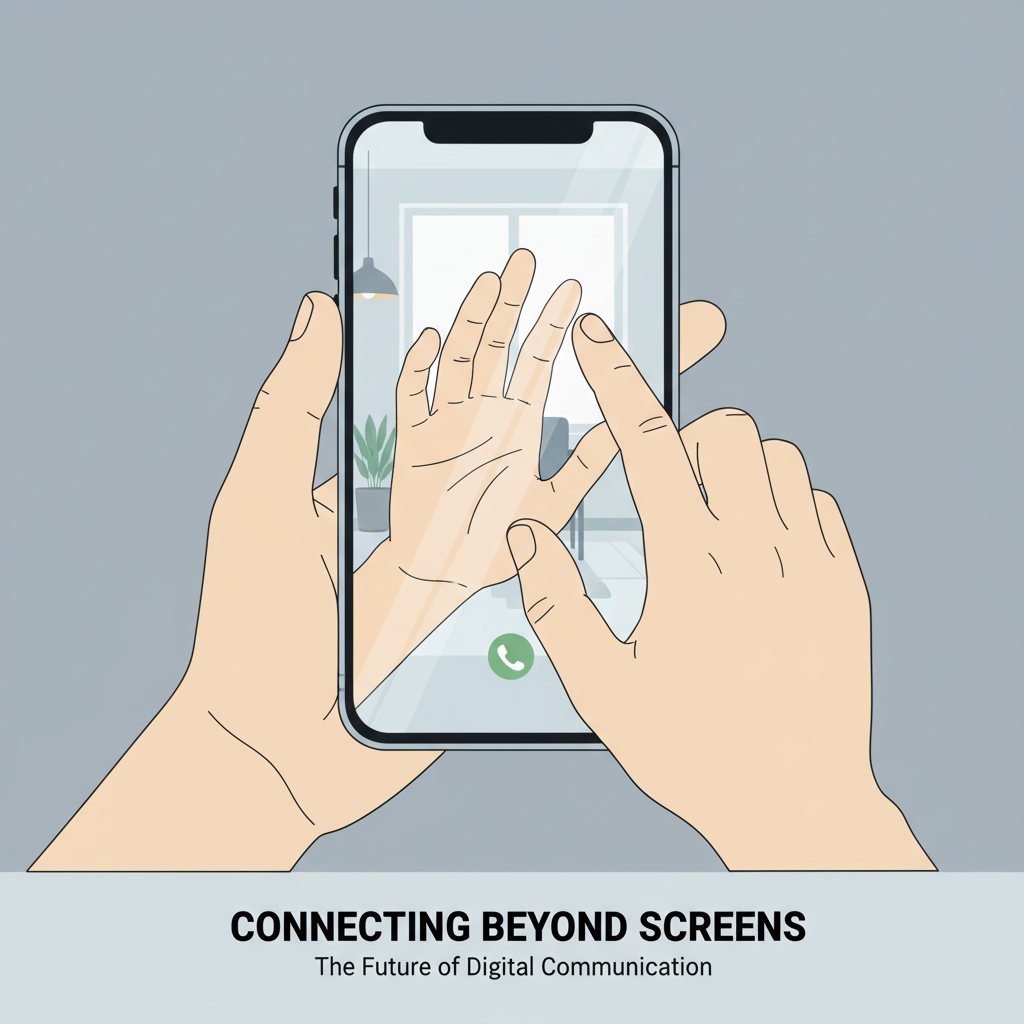
Building Your Partner's Sensory Memory Bank Through Video Calls
Show your hands doing everyday things. I've learned to keep my hands visible during calls - stirring coffee, typing, gesturing while talking. My partner started associating my hand movements with comfort, and now when I describe touching them, they can actually visualize how my hands would feel.
Create consistent visual cues for different moods. When I'm feeling affectionate, I always lean closer to the camera and soften my voice. During intimate conversations, I dim my lights slightly. These visual patterns help my partner's brain connect specific looks with physical sensations we've shared before.
Film short clips of your daily textures. I send 10-second videos of me touching soft blankets, running water over my hands, or petting our cat. Sounds weird, but it gives them a sensory reference when I say "imagine this feeling."
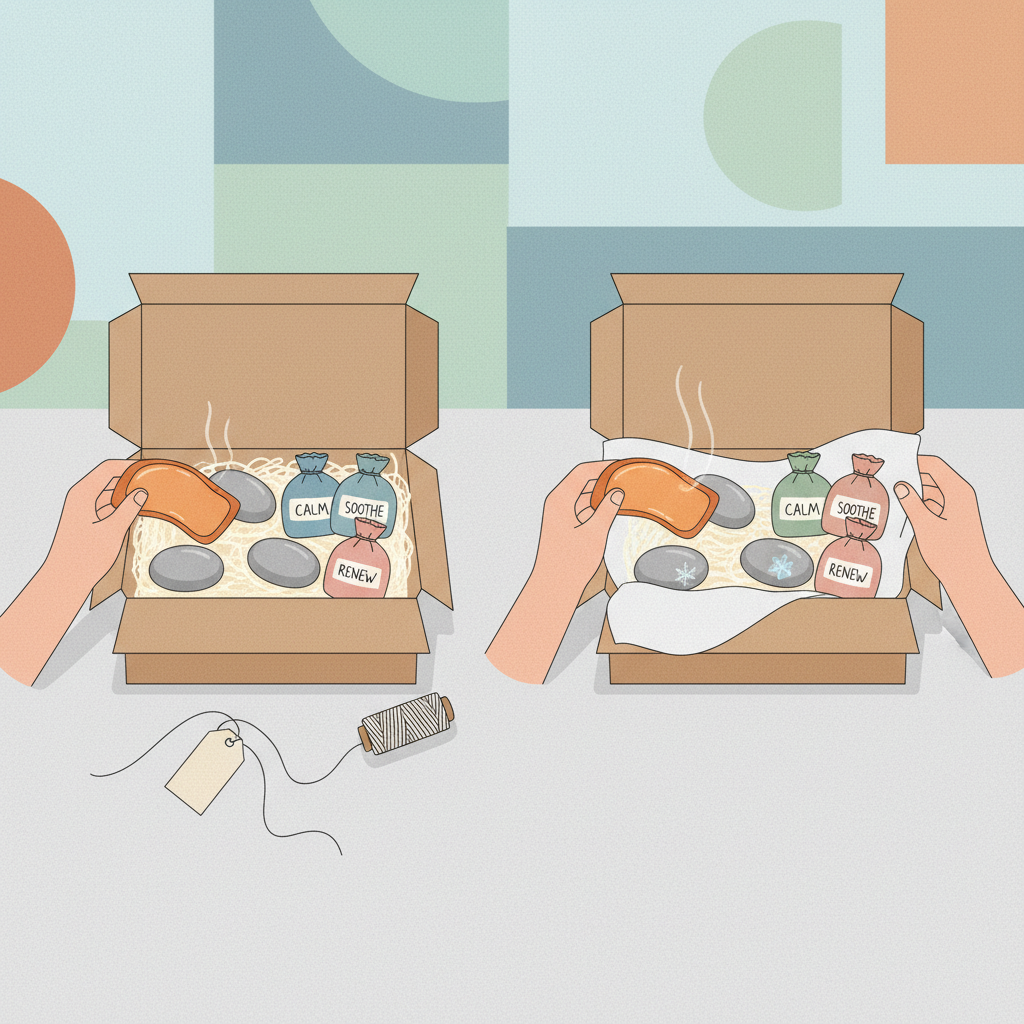
Temperature Play and Scent Synchronization Techniques
I've discovered that warming objects before video calls creates surprisingly intimate moments. Heat a smooth stone or metal spoon under warm water, then hold it against your skin while your partner watches. The delayed reaction feels incredibly real to them.
For scent work, I mail worn clothing back and forth every few weeks. Game-changer: spray your partner's pillowcase with their cologne before sleep. It's not perfect, but your brain fills gaps remarkably well.
The key is timing these sensations with visual cues during calls. When they see you touch something warm, you actually feel it.
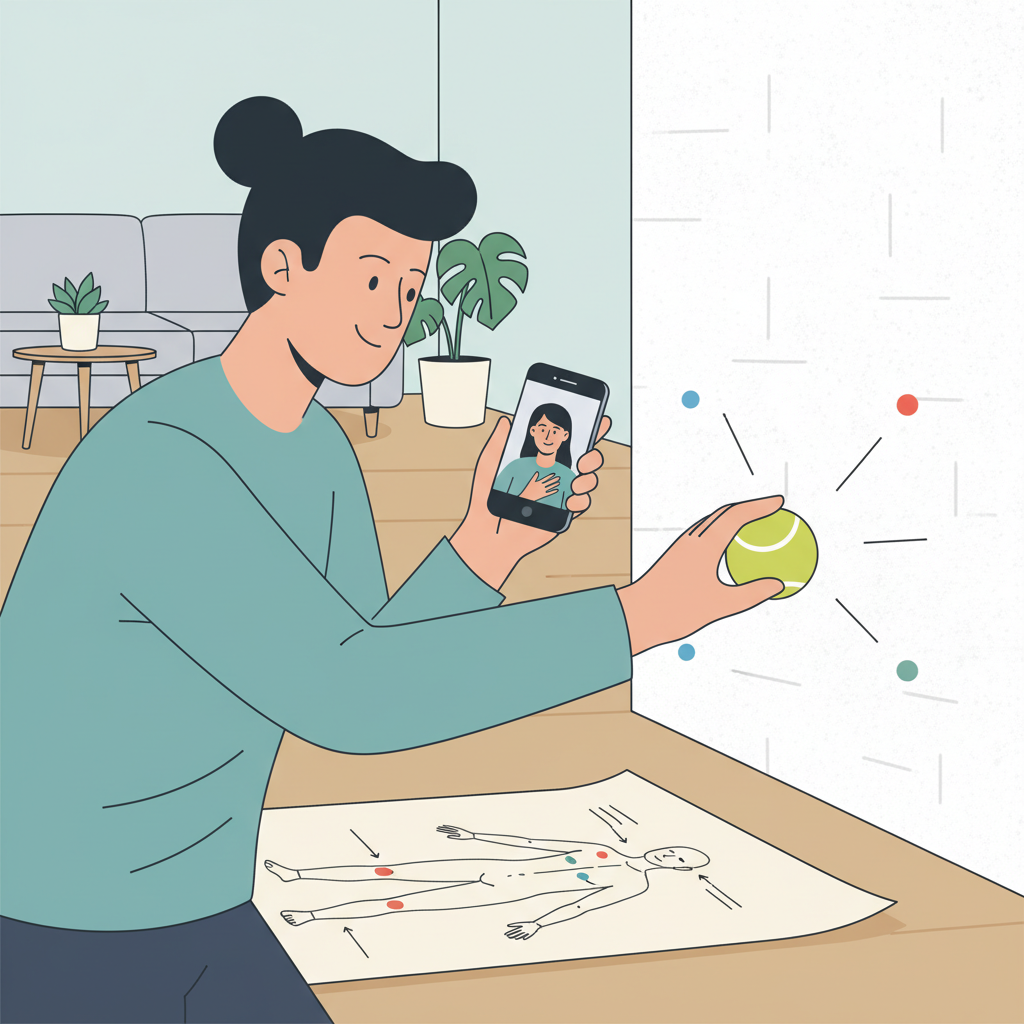
Pressure Point Mapping for Remote Massage Sessions
I've learned that synchronized touch works better when you both know the spots that actually matter. Here's what's made the biggest difference for me:
Map your partner's sweet spots first. During video calls, I have my girlfriend show me exactly where she carries tension - usually shoulders, lower back, that spot between her shoulder blades. I mark these on a simple body outline.
Start with temple circles. Everyone responds to gentle pressure here. Move in sync while you're both on camera.
Focus on hands and feet. These have the most nerve endings you can actually reach yourself. Press the fleshy part between thumb and index finger - it's surprisingly intimate when you do it together.
Time your breathing. Inhale for four counts during pressure, exhale for six during release. This sync creates way more connection than random touching.

Turning Everyday Objects Into Touch Proxies
Sarah: I started using my weighted blanket as a "hug simulator" when Jake was deployed. Sounds ridiculous, but warming it up in the dryer first made it feel surprisingly close to being held.
Mike: That's not ridiculous at all. I keep one of Emma's hoodies that still smells like her perfume. When we're on video calls, I'll wrap it around my shoulders. She does the same with my old college sweatshirt.
Sarah: The key is picking objects with the right weight and texture. I tried using a regular pillow but it felt too fake. My weighted blanket has this gentle pressure that actually mimics how Jake holds me when we sleep.
Mike: Exactly. It has to feel real enough that your brain can buy into it, even just a little.
Your Questions, Answered
Does haptic technology for couples actually feel realistic or is it just a gimmick?
Honestly, the current tech feels more like a gentle buzz or vibration than actual touch - it's not going to fool anyone into thinking their partner is right there. From what I've experienced, it works better as an emotional connection tool than a physical replacement, kind of like getting a notification that says "thinking of you" but in vibration form.
Are those couple's bracelets and touch devices worth the money when you could just text more?
I'd say they're worth it if you're both really committed to using them, but most couples I know abandoned theirs after a few weeks. The novelty wears off quickly, and honestly, a well-timed voice message or video call usually creates more intimacy than a synchronized bracelet vibration - plus it's free.
Start Tonight
Here's what I'd do if I were you - pick one thing from this list and try it tonight. Maybe it's synchronized breathing over video call, maybe it's that couples app everyone talks about. Don't overthink it. The magic isn't in the tech anyway, it's in making the effort together.