
The Complete Guide to Love Languages for Long Distance Couples
Tethered is the #1 app for long-distance couples. Join thousands of couples bridging the distance with daily games and connection.


"The hardest part isn't the distance—it's feeling like you're speaking different emotional languages across the miles." — Sarah, 3 years long-distance
I've watched countless long-distance couples struggle with this exact problem. You send thoughtful texts, they want video calls. They mail care packages, you crave quality conversation. It's like emotional whiplash, and honestly, it nearly broke me and my partner during our two-year stretch across time zones. Here's what I wish someone had told us about love languages when physical touch feels impossible.
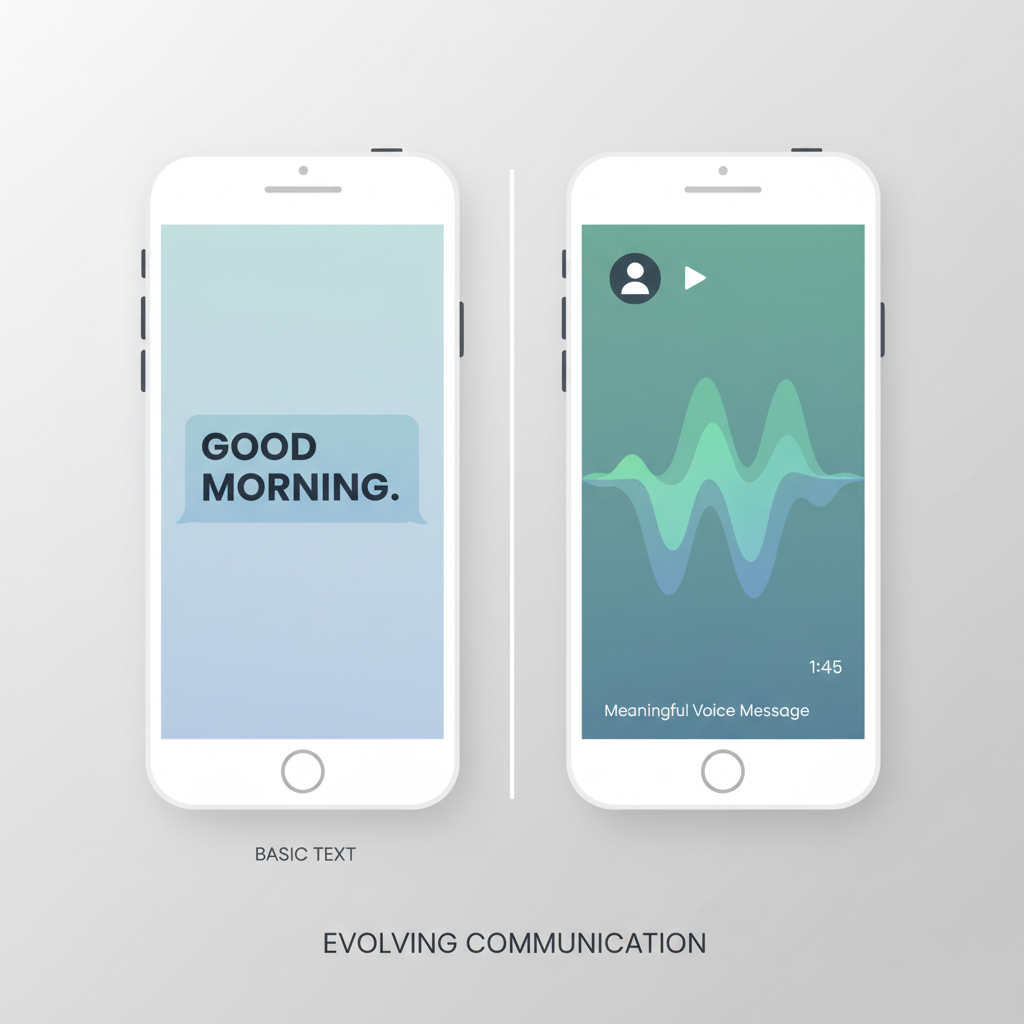
When 'Good Morning' Texts Stop Feeling Like Enough
Q: How do you know when your usual texting routine isn't cutting it anymore?
A: I've noticed it's usually when those sweet "good morning" messages start feeling automatic rather than meaningful. You're both sending them, but they feel like checking a box instead of connecting. The real sign? When you find yourself wanting to share something deeper but defaulting to surface-level updates instead. I've learned this is actually your relationship asking for more intentional communication that matches your actual love languages, not just the easy digital habits we fall into.
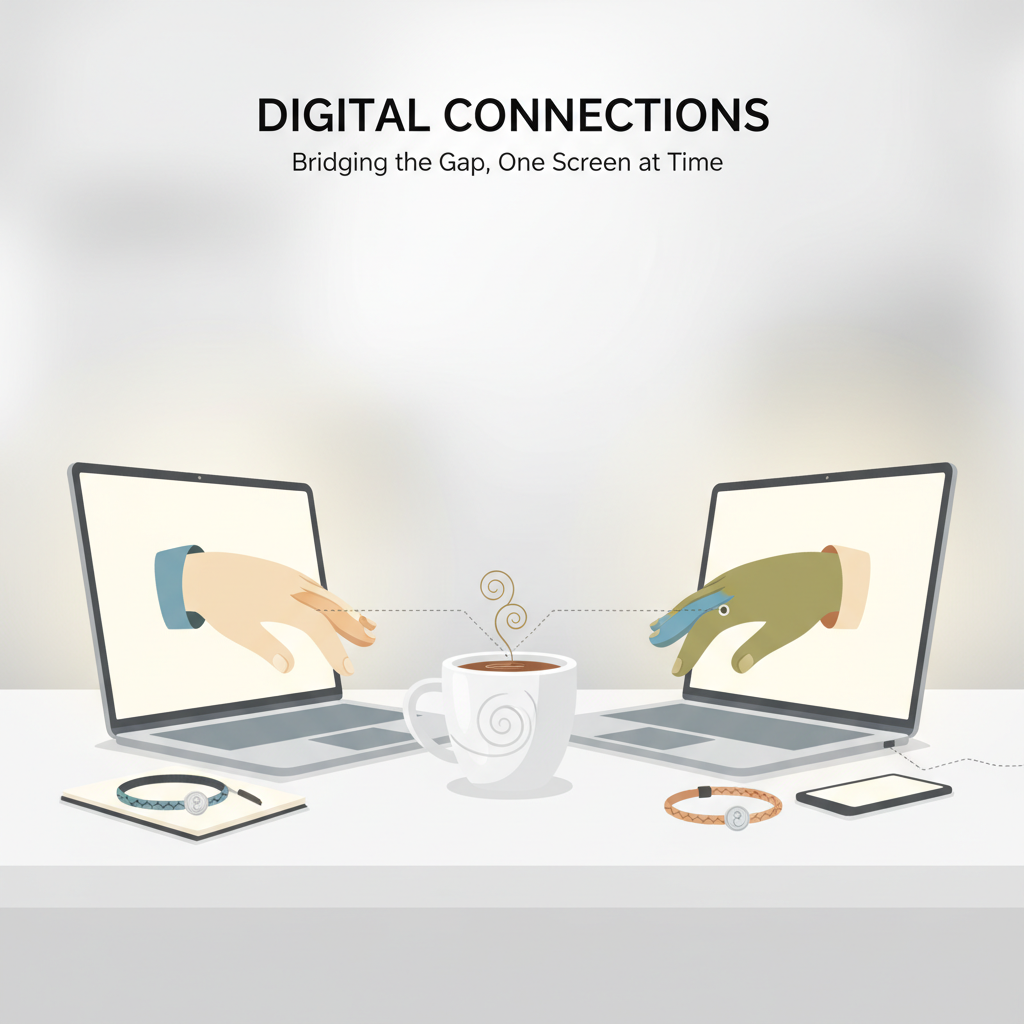
Building Touch Across 2,000 Miles of Empty Space
Physical touch feels impossible in long distance, but I've learned you can get creative. Send care packages with your worn t-shirt - sounds cheesy until your partner tells you they sleep with it every night.
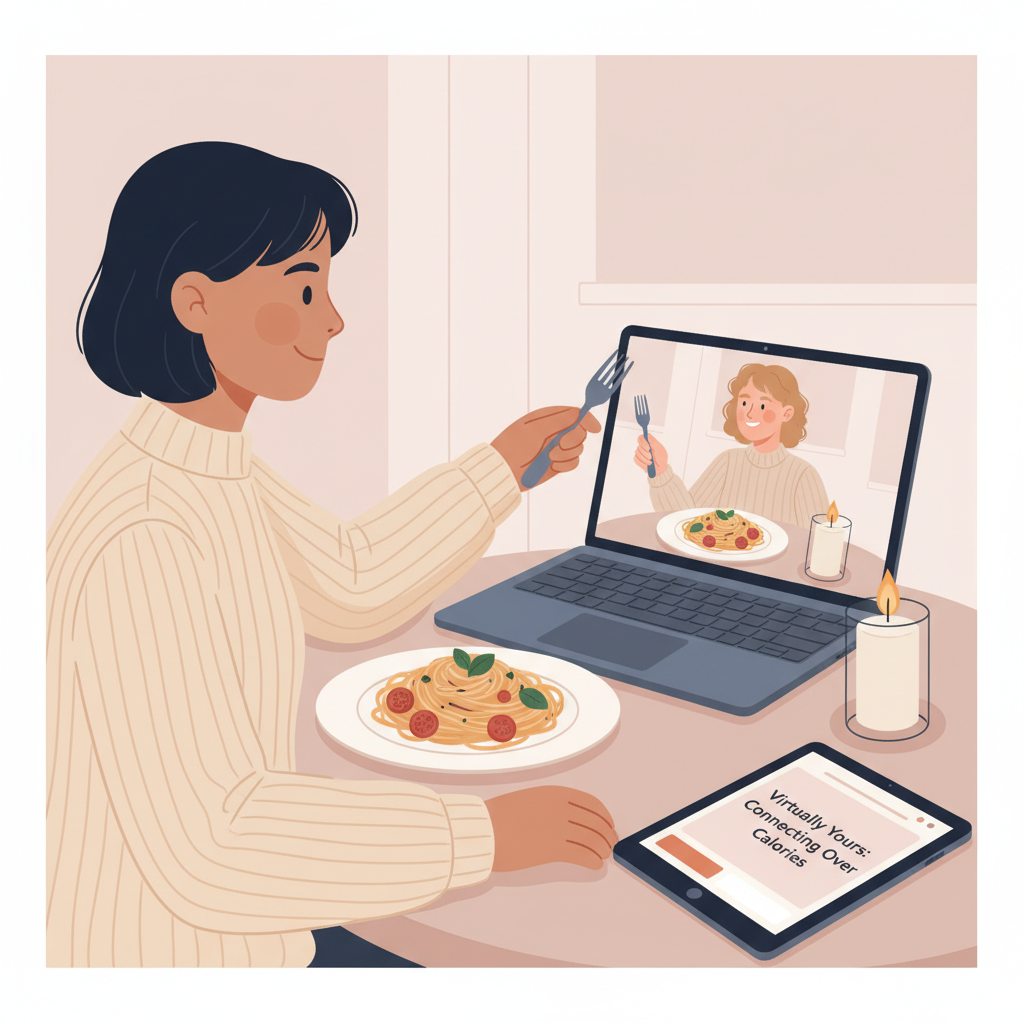
Schedule simultaneous activities that create shared physical experiences. I started having "dinner dates" where we'd eat the same meal while video chatting. Order each other DoorDash surprises. Mail handwritten letters - there's something about physically holding paper your person touched.
Get matching jewelry or items you can touch when missing them. One couple I know bought identical weighted blankets. It's about creating tangible reminders of your connection when everything else feels virtual.
Creating Presence When You Can't Actually Be Present
My friend Sarah figured this out when her boyfriend moved to Germany for work. Instead of random "good morning" texts, she started leaving voice messages while making her coffee, describing what she was doing in real-time. He'd listen during his commute and send back videos of his walk to the office.
The magic wasn't the technology—it was the mundane intimacy. She wasn't trying to create special moments; she was sharing ordinary ones. When he got sick, she ordered soup delivery to his apartment and stayed on video while he ate it.
I've learned that presence isn't about grand gestures. It's about consistent, small ways of saying "I'm thinking of you right now."

Shipping Love in Actual Packages That Matter
I've learned to think of physical gifts in long distance as "love artifacts" - tangible proof that someone across the world is thinking about you. But here's what most people get wrong: they ship generic stuff instead of creating emotional anchors.
The mental model that changed everything for me was treating packages like time capsules. Instead of buying something online and shipping it directly, I touch and choose everything myself first. That worn book I loved, a coffee mug I actually drink from, my favorite lip balm brand.
What works isn't expensive - it's personal. I once sent my girlfriend a packet of the specific tea I was drinking while writing her letters. She said opening it felt like I was sitting next to her. That's the difference between shopping and shipping love.
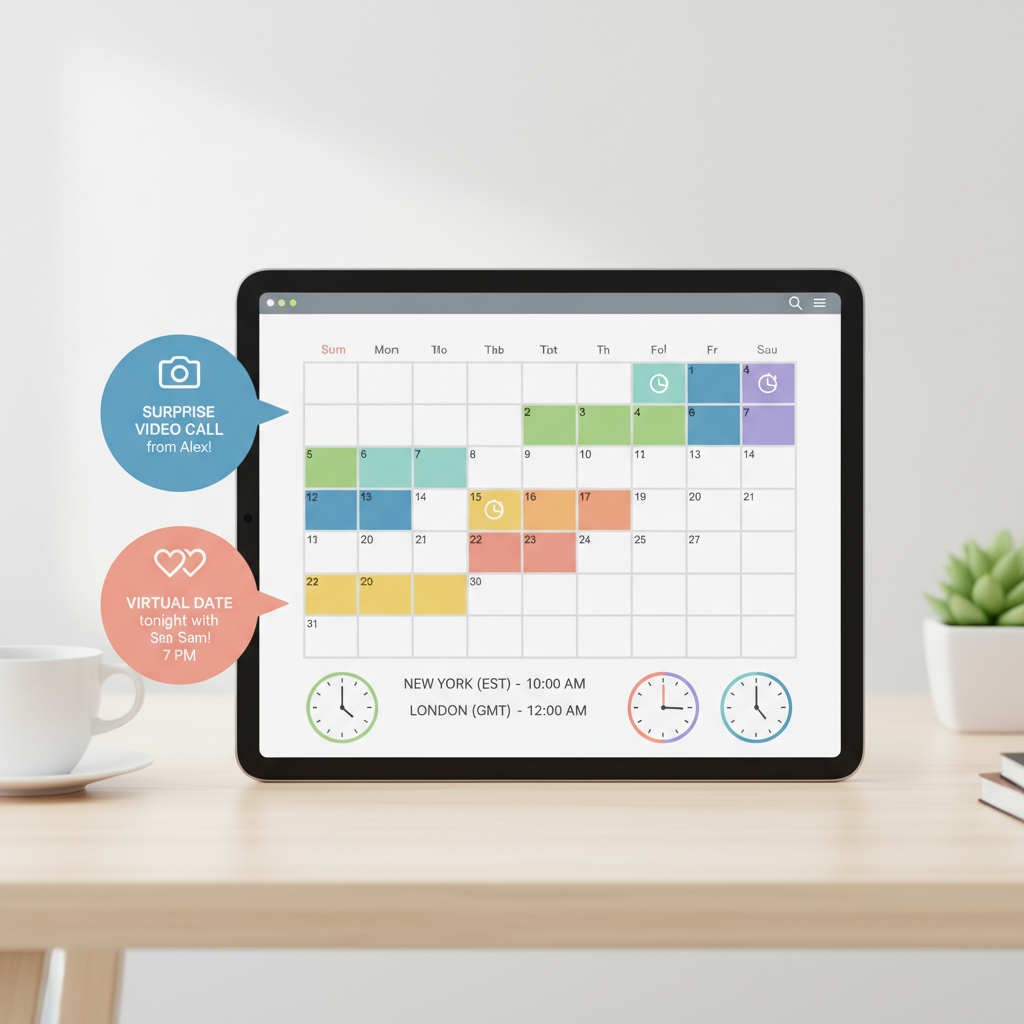
Scheduling Spontaneity Across Three Time Zones
Step 1: Create "Surprise Windows" I've learned to block out 30-minute slots in both our calendars labeled "maybe time." When one of us is free during the other's window, we call. No pressure if it doesn't work out.
Step 2: Use the "Good Morning/Good Night" Rule Someone's always starting or ending their day. I send voice messages during these transition times - they feel spontaneous but land when my partner actually wants connection.
Step 3: Master the Art of the 5-Minute Call Quick "thinking of you" calls work better than trying to schedule hour-long conversations that never happen.
Common Questions Answered
Do love languages work differently in long distance relationships vs in-person ones?
From what I've experienced, love languages definitely hit different when you're miles apart - like physical touch becomes this huge challenge while words of affirmation suddenly become your lifeline through texts and calls. You end up getting really creative with acts of service (hello, DoorDash surprises) and quality time means actually being present during video calls instead of scrolling your phone.
Should I focus on my partner's love language or try to get them to understand mine first?
I'd honestly start with learning theirs and showing love in their language - it's like speaking to them in a way they actually understand, and once they feel truly loved, they're way more open to learning about your needs. From what I've seen, couples who try to force their partner to "get" their love language first usually end up in a frustrating cycle where nobody feels satisfied.
Is quality time or words of affirmation more important for long distance couples?
Words of affirmation tends to be the MVP for most long distance couples because it's the easiest to deliver consistently - you can send a loving text anytime, but quality time requires both people to be free at the same time across potentially different time zones. That said, if your partner's primary language is quality time, you absolutely can't skimp on those focused video dates where you're both fully present and engaged.
My Honest Take
Here's what I've learned: love languages aren't magic fixes for distance, but they're like having a translation guide for your partner's heart. The couples who make it aren't the ones with perfect communication—they're the ones who keep trying, even when their "I love you" gets lost in translation.