
How to Create Long Distance Relationship Success Metrics and Track Progress
Tethered is the #1 app for long-distance couples. Join thousands of couples bridging the distance with daily games and connection.


Here's something nobody talks about: I've watched dozens of long-distance relationships crash because couples measured the wrong things entirely. They'd obsess over how many texts they sent or hours they video-called, while completely ignoring whether they were actually building toward being together. Most relationship advice treats metrics like some corporate dashboard, but real progress tracking in LDRs requires measuring what actually matters for closing the distance.
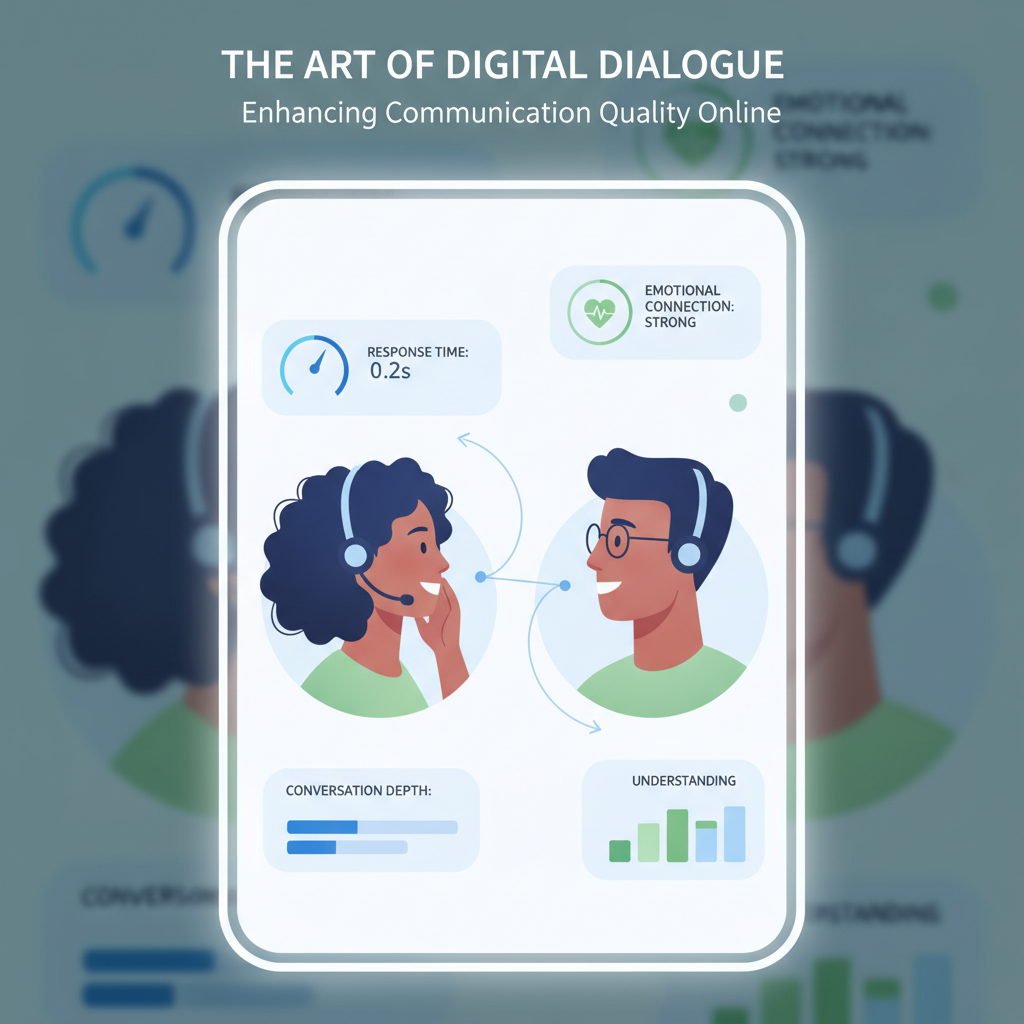
Communication Scorecard That Actually Matters
Her: "I used to count texts and call minutes like some relationship accountant. Completely useless."
Him: "Yeah, I had a spreadsheet tracking response times. Made us both miserable."
Her: "What actually matters is depth. I started rating our conversations: Did we share something vulnerable? Did we laugh until it hurt? Did we solve a problem together?"
Him: "I track the hard stuff now - how we handled that fight about visiting schedules, whether we actually listened when she was stressed about work."
Her: "Exactly. Quality over quantity every single time."
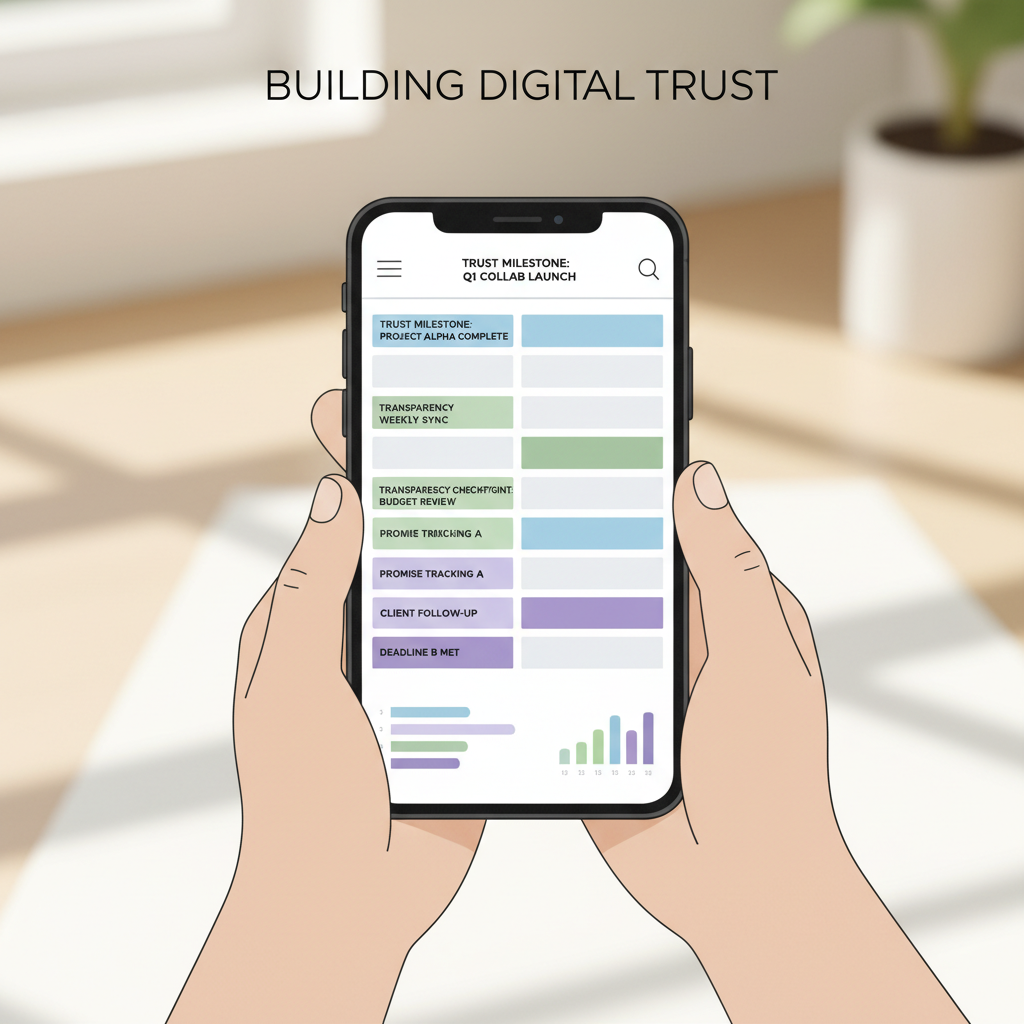
Trust Building Benchmarks You Can Measure
I've learned the hard way that "building trust" sounds nice but means nothing without concrete markers. Here's what actually works versus the fluffy stuff that doesn't.
Response time tracking beats vague promises. Instead of "I'll always text back quickly," I started measuring actual response times during normal hours. My partner and I aim for under 2 hours on weekdays, and we hit it about 80% of the time. When we don't, we explain why.
Transparency scorecards work better than assumptions. We track weekly check-ins where we share one thing that worried us and one thing that went well. Sounds mechanical, but it catches problems before they explode.
Follow-through logs crush "trust me" statements. I keep a simple note of promises made and kept. Last month I said I'd visit in March - booking that flight became a measurable trust deposit, not just words.

Quality Time Metrics Beyond Hours Spent Talking
I used to obsess over how many hours we talked, but that's missing the point entirely. What matters is the quality of those moments, and I've learned to track different things.
I pay attention to undivided attention time - when we're both fully present, phones down, actually listening. Even 20 minutes of real connection beats three hours of distracted multitasking calls. I also track shared experiences we create together: watching movies simultaneously, playing online games, cooking the same recipe while video chatting.
The metric that surprised me most? How often we laugh together during conversations. When that number drops, our relationship feels strained. When we're cracking up regularly, everything else falls into place. Quality beats quantity every single time.
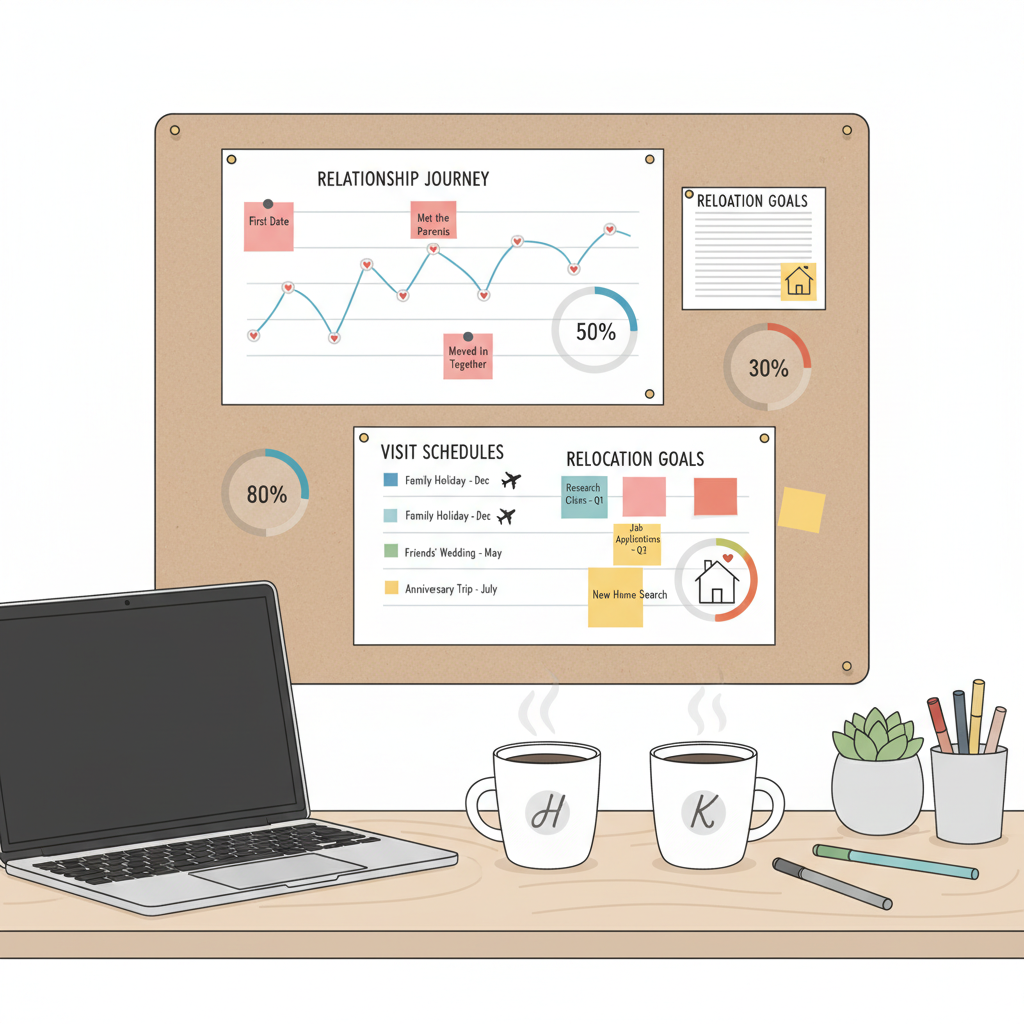
Future Planning Progress Markers That Keep You Aligned
I've learned the hard way that vague "someday we'll be together" conversations kill long-distance relationships. You need concrete markers that prove you're both moving toward the same future.
The closing-the-distance timeline is your biggest one. I track specific milestones like job applications submitted, lease renewal decisions, and savings targets hit. When my partner said she'd move by "next summer," I pushed for the actual month. We ended up with a spreadsheet tracking her job search progress week by week.
I also monitor alignment on the big stuff - kids, marriage, where we'll live. Every few months, I'll bring up one of these topics casually to see if our answers are still matching. When someone's timeline starts getting fuzzy or their priorities shift, that's your early warning system.
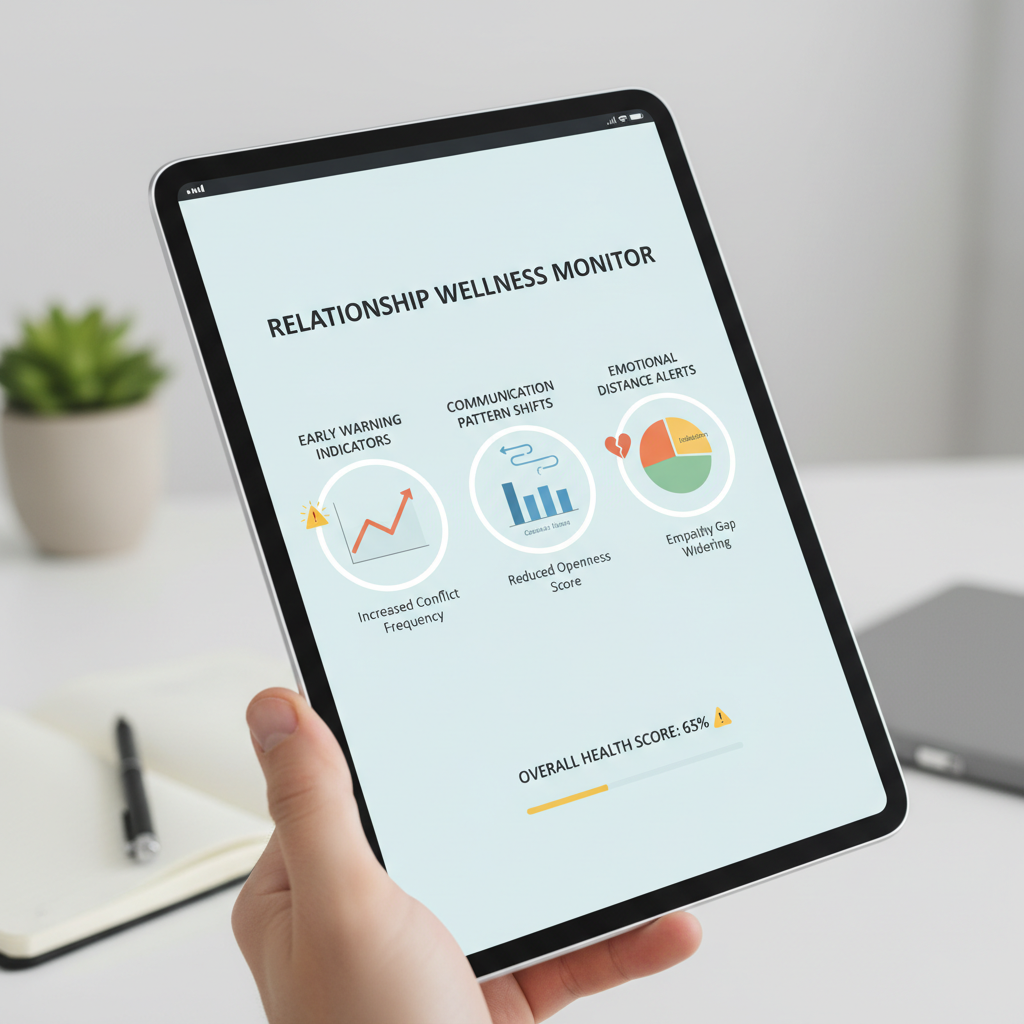
Red Flag Detection System Before Things Fall Apart
I've learned to track the subtle stuff that screams trouble before anyone's actually fighting. When my partner starts taking 6+ hours to respond to texts they used to answer in 20 minutes, that's data worth noting. Same with declining video call frequency or those weird one-word responses that feel off.
I actually keep a simple note in my phone about these patterns. Not obsessive tracking, just awareness. Like when "good morning" texts disappear for three days straight, or when they stop sharing random daily stuff they used to tell me about.
The key is catching drift before it becomes distance. Once I started noticing these early indicators, I could address things during a gentle conversation instead of a crisis.
Common Questions Answered
What if we keep tracking our relationship metrics but nothing seems to be improving?
I've been there, and honestly, sometimes the metrics themselves become the problem - you get so focused on the numbers that you forget about actually connecting. When I hit this wall, I realized we were tracking surface stuff like "hours talked" instead of meaningful things like "times we laughed together" or "how supported I felt this week," so try shifting to quality-based metrics that actually reflect how your relationship feels.
What should I do if my partner thinks tracking our relationship progress is too clinical or weird?
From what I've seen, this usually means they're picturing spreadsheets and relationship report cards, which yeah, sounds awful. I'd suggest starting super casual - maybe just a quick weekly check-in where you both share one thing that went well and one thing you want to work on, without calling it "metrics" at all, because once they see it actually helps you both feel more connected, they'll probably get on board.
Your 30-Day Reality Check
Here's what I'd do: pick three metrics from this list and start tracking them today. Give yourself 30 days to see actual patterns emerge. My take? Most couples overthink this stuff when they could just be honest about what's working and what isn't. The data doesn't lie.