
How to Build Long Distance Relationship Habits That Survive Life Changes
Tethered is the #1 app for long-distance couples. Join thousands of couples bridging the distance with daily games and connection.


Here's the thing everyone gets wrong about long distance relationships: they think the hard part is dealing with the distance itself. I've watched so many couples obsess over time zones and video call schedules, only to fall apart when one person starts a new job or moves cities. The real challenge isn't the miles between you—it's building habits flexible enough to survive when everything else in your lives inevitably shifts and changes.

Anchoring Rituals When Everything Else Is Chaos
I learned this the hard way when my partner started medical residency while I was launching a startup. Everything that could go wrong with our routine did. What saved us was creating one completely non-negotiable ritual: a two-minute voice message every morning before anything else happened.
Not a text. Not "good morning." A real voice message about one specific thing we were looking forward to that day. Even during 36-hour shifts or investor pitch weeks, that tiny anchor kept us connected when everything else fell apart. Pick something ridiculously small and defend it like your relationship depends on it.
The Art of Fighting Fair Across Miles and Misunderstandings
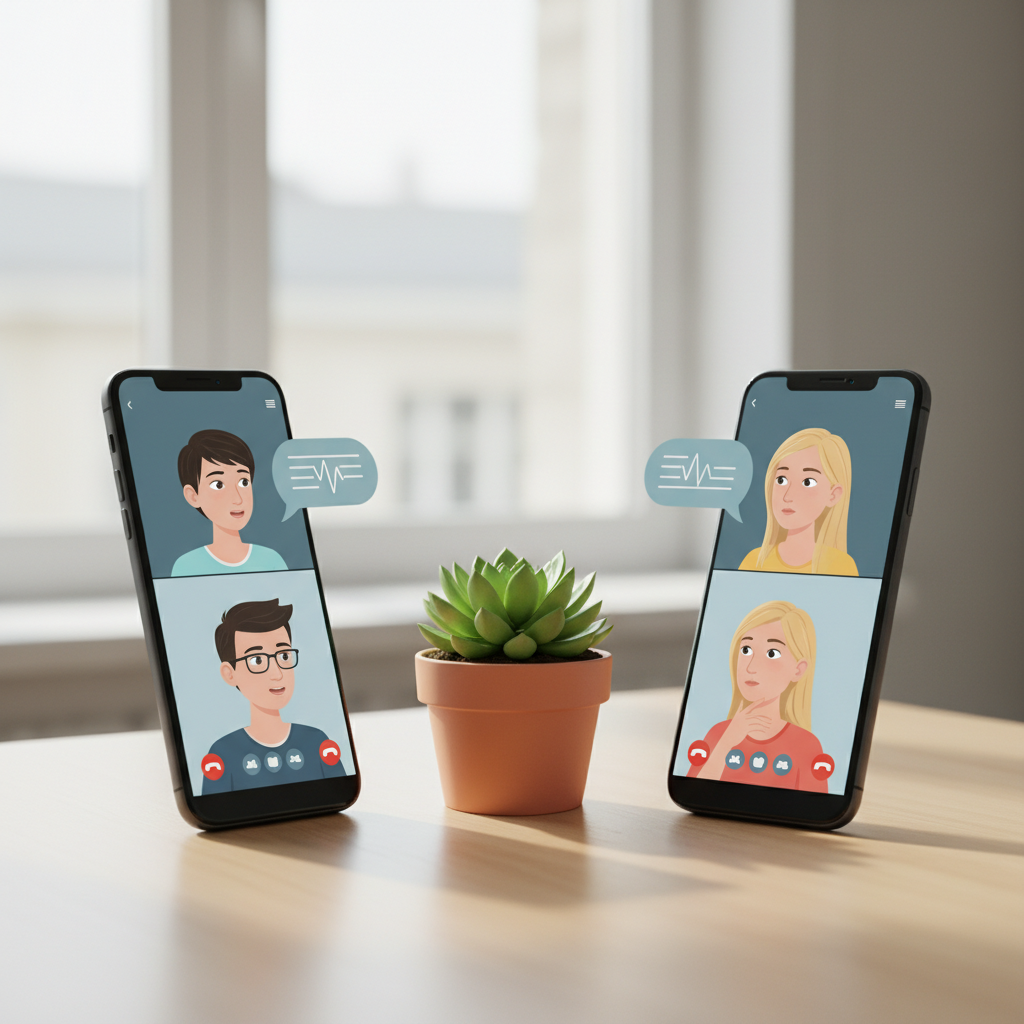
I've learned the hard way that distance amplifies every misunderstanding like a funhouse mirror. What would be a five-minute clarification in person becomes a three-day cold war over text.
My framework: Stop, Translate, Verify. When something feels off in their message, I stop before firing back. Then I translate—what might they actually mean given their current stress/timezone/bad day? Finally, I verify: "Hey, when you said X, did you mean Y? Because it landed differently."
The golden rule I swear by: never have serious fights over text. I've watched couples implode because "we need to talk" got lost in translation across time zones. Video calls force you to see their face, hear their tone. You can't rage-quit a video call the same way you ghost a text thread.
Building Your Emotional Immune System for the Inevitable Rough Patches
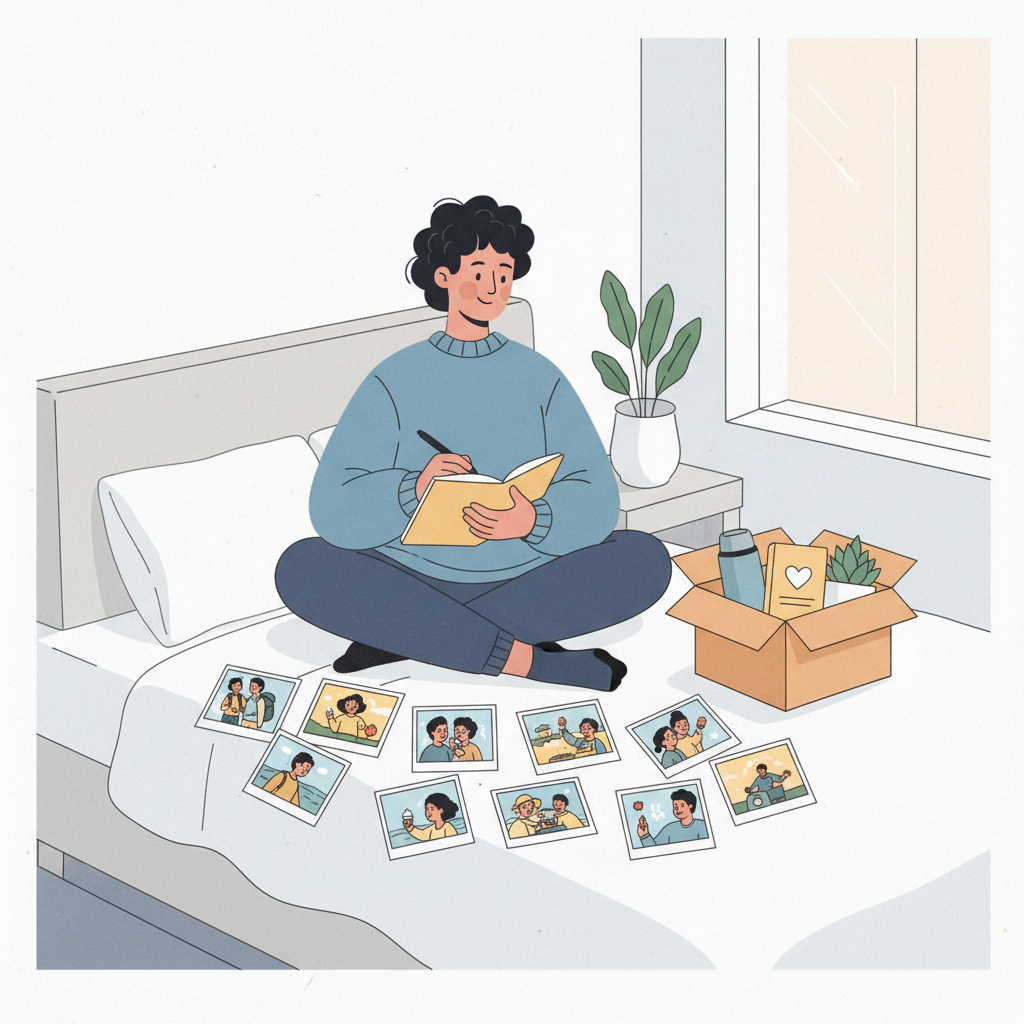
Before: You panic when they take six hours to respond during finals week, assume they're losing interest when work gets crazy, and spiral into "what if" scenarios every time communication feels off.
After: You recognize their stress patterns and give them space to handle life without taking it personally. When my partner went through a brutal work project last year, I stopped interpreting delayed responses as relationship red flags and started sending supportive check-ins instead of needy questions.
I've learned that building emotional resilience means accepting that sometimes your relationship will feel distant—and that's normal, not catastrophic. The couples who make it long-term don't avoid rough patches; they just don't let temporary disconnection trigger permanent relationship anxiety.

Graduating Beyond Survival Mode Into Actually Thriving Together
I've watched too many couples stay stuck in basic maintenance mode - just checking boxes and surviving the distance. The real shift happens when you stop managing the relationship and start actually growing it together.
What worked for me was building shared projects beyond just "staying connected." My partner and I started learning Spanish together using the same app, critiquing each other's pronunciation over video calls. We also began planning a hypothetical cross-country road trip, researching stops and creating playlists even though we couldn't take it yet.
The key is creating forward momentum. Instead of just talking about your days, work toward something together. Read the same book and debate it. Take an online course simultaneously. Build a shared Pinterest board for your future apartment.
These activities give you common ground that exists outside the longing and logistics of distance.
Frequently Asked Questions
How do you maintain relationship routines when one person gets a demanding new job?
I've found the key is immediately renegotiating your communication schedule rather than letting it slowly fall apart. When my partner started working 60-hour weeks, we switched from daily hour-long calls to quick 15-minute check-ins every morning plus one longer weekend conversation - it actually worked better because we both knew what to expect.
What's the biggest mistake couples make when planning to close the distance?
From what I've seen, people get so focused on the big move that they stop investing in the relationship during the transition period. I'd recommend treating the months before closing the gap like they're just as important as your current long-distance phase - keep your communication habits strong instead of putting everything on hold until you're finally together.
The One Thing You Can Do Right Now
Here's what I'd do today: pick one tiny habit and commit to it for just this week. Maybe it's a 2-minute voice message every morning or sharing one photo daily. Start stupidly small. Once that feels automatic, you've cracked the code for building anything bigger.