
The Complete Guide to Long Distance Relationship Financial Planning Together
Tethered is the #1 app for long-distance couples. Join thousands of couples bridging the distance with daily games and connection.


I'll never forget the sinking feeling when my partner and I realized we'd been splitting costs all wrong for eight months. She was covering groceries in Portland while I handled rent in Chicago, but neither of us knew the other was quietly stressing about money. That awkward video call where we finally laid everything out on the table? It changed everything. Managing finances across time zones and zip codes isn't just about splitting bills—it's about building trust when you can't physically sit down together and figure it out.
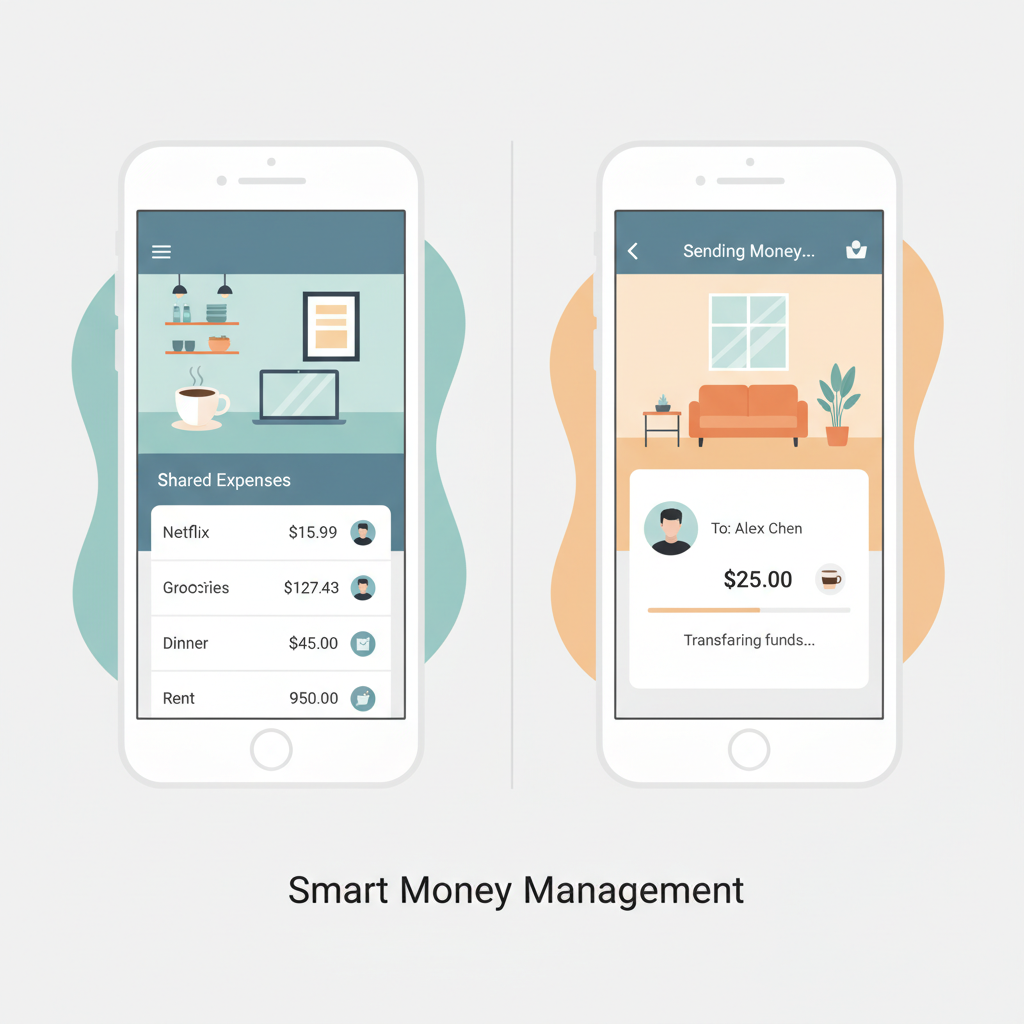
Splitting Bills When You're 3,000 Miles Apart: Digital Banking Setups That Actually Work
I've tried every app under the sun for splitting expenses with my partner, and here's what actually works: Splitwise for tracking who owes what, paired with Zelle for instant transfers. Venmo's fine too, but the social feed feels weird for relationship stuff.
The real game-changer was opening a joint online savings account at Ally. We each auto-transfer $200 monthly for shared expenses like flights and hotels. No overdraft drama, no "did you send it yet?" texts. When something comes up, we just move money from the joint account and settle up later in Splitwise.
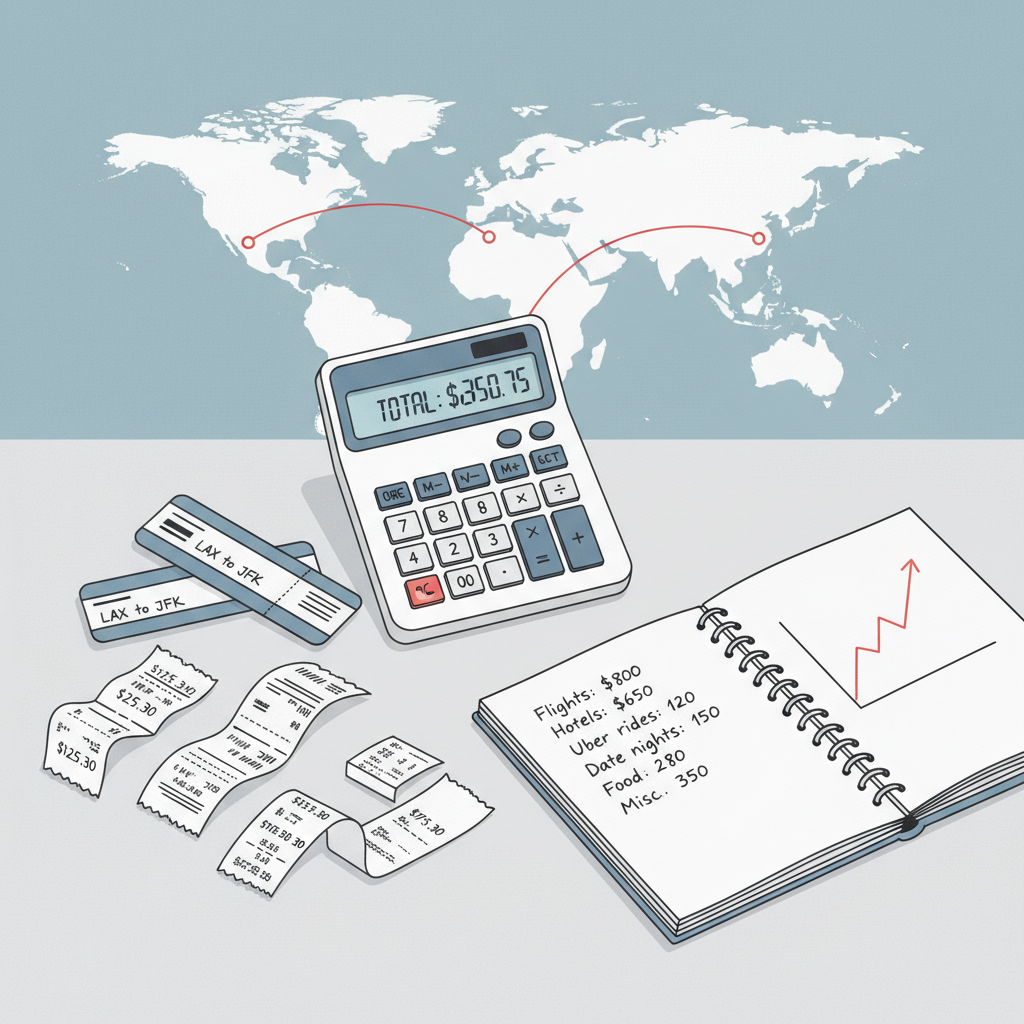
Visit Budget Reality Check: Calculating the True Cost of Seeing Each Other Every Month
I learned this the hard way after my first three months of visits blew through my entire savings. Monthly visits aren't just flight costs—they're financial tsunamis.
Start with the obvious: round-trip flights, gas, or train tickets. Then add the stuff that'll blindside you. I was spending $200+ every visit on restaurants because we wanted to "make it special." Airport parking, rental cars, taking time off work, buying groceries for their place—it all adds up fast.
My brutal wake-up call came when I realized I was spending $800/month on visits while making $3,200. That's unsustainable math.
Track every expense for three visits. Include opportunity costs like missed overtime. Then multiply by twelve. If that number makes you nauseous, you need a new strategy.

Building Your Reunion Fund: Savings Strategies for Closing the Distance Permanently
I learned the hard way that moving across countries costs way more than you think. Beyond the obvious moving expenses, there's visa fees, job hunting while unemployed, and setting up a new life from scratch.
What worked for me was treating it like buying a house - we opened a joint high-yield savings account and automated transfers every payday. I calculated we needed about $15,000 total, so we each saved $300 monthly for two years.
The game-changer was being brutally honest about timelines. Don't set unrealistic goals that'll just stress your relationship. We initially wanted one year but pushed it to two when we realized how much we actually needed.
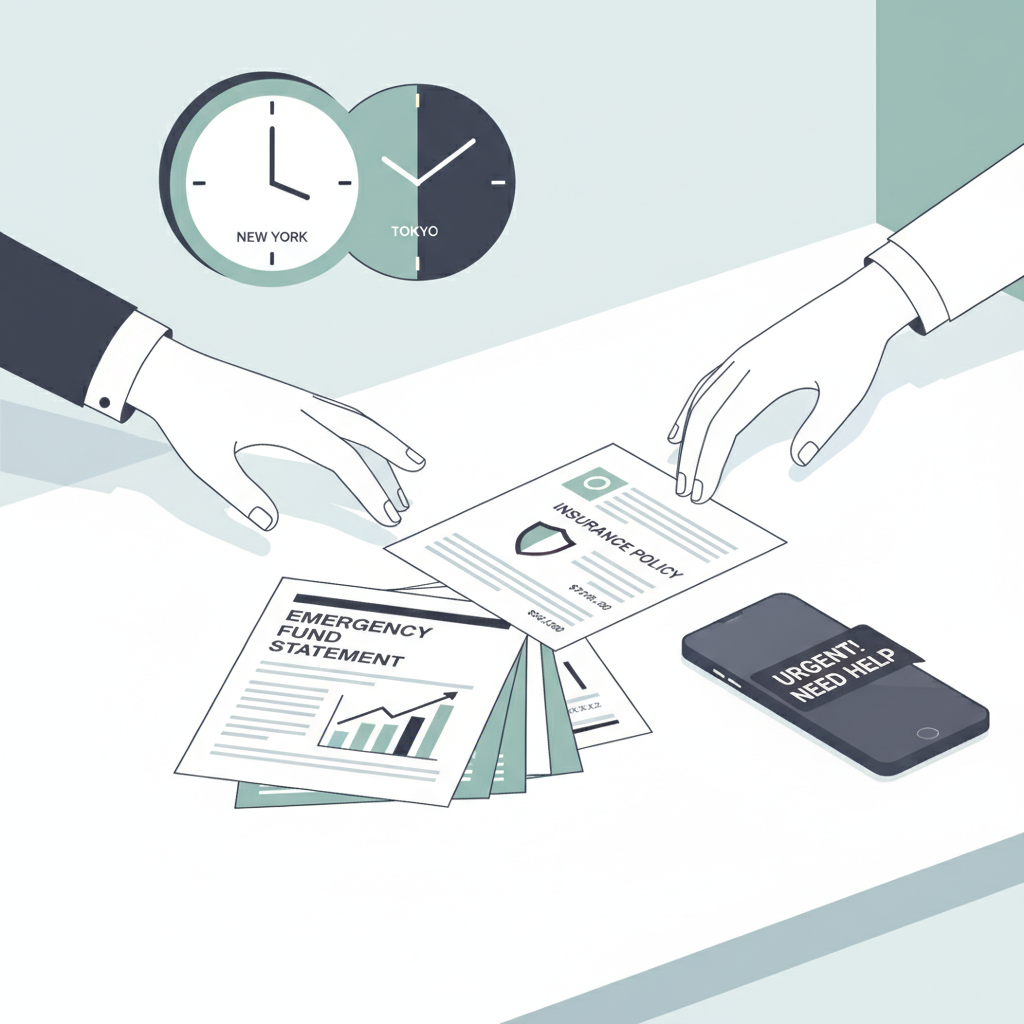
Financial Emergency Protocol: Protecting Each Other When Crisis Hits from Different Time Zones
I learned this the hard way when my partner got hospitalized in Berlin while I was sleeping in Denver. Having no way to instantly transfer money was terrifying.
Set up emergency access now:
- Give each other login info for one checking account
- Keep $500-1000 in a shared emergency fund
- Install the same money transfer app with pre-loaded payment methods
- Exchange important contact numbers (banks, employers, family)
Create your crisis playbook:
- Write down exact steps for accessing emergency funds
- Test the process once every six months
- Know each other's time zones by heart for urgent calls
Trust me - you don't want to figure this out during an actual emergency.
Your Questions, Answered
Should we merge finances completely or keep separate accounts in a long distance relationship?
From what I've seen with couples I know, keeping mostly separate accounts with one shared account for joint expenses works best when you're long distance. You avoid the daily spending arguments that can poison a relationship when you're already dealing with the stress of being apart, but you can still plan together for visits and future moves.
Is splitting visit costs 50/50 fair, or should the person with higher income pay more?
I'd go with whoever's doing the traveling pays their own way, regardless of income - it feels more balanced psychologically and nobody builds resentment about "owing" the other person. The person being visited can cover local activities and meals, which usually evens things out naturally without anyone having to do weird income calculations.
The One Thing That Actually Matters
Here's my honest take: all the budgeting apps and spreadsheets won't save you if you can't talk openly about money fears. The couples who make it? They treat financial planning like pillow talk—vulnerable, regular, and judgment-free.