
The Ultimate Guide to Long Distance Relationship Emergency Communication Plans
Tethered is the #1 app for long-distance couples. Join thousands of couples bridging the distance with daily games and connection.


I've been tracking something wild lately – more couples are dealing with genuine communication emergencies in long distance relationships than ever before. You know, those moments when your phone dies during a fight, or when natural disasters knock out cell towers and your partner's freaking out because they can't reach you. From what I've seen helping friends navigate these situations, most people have zero backup plan for when their main communication methods completely fail them.
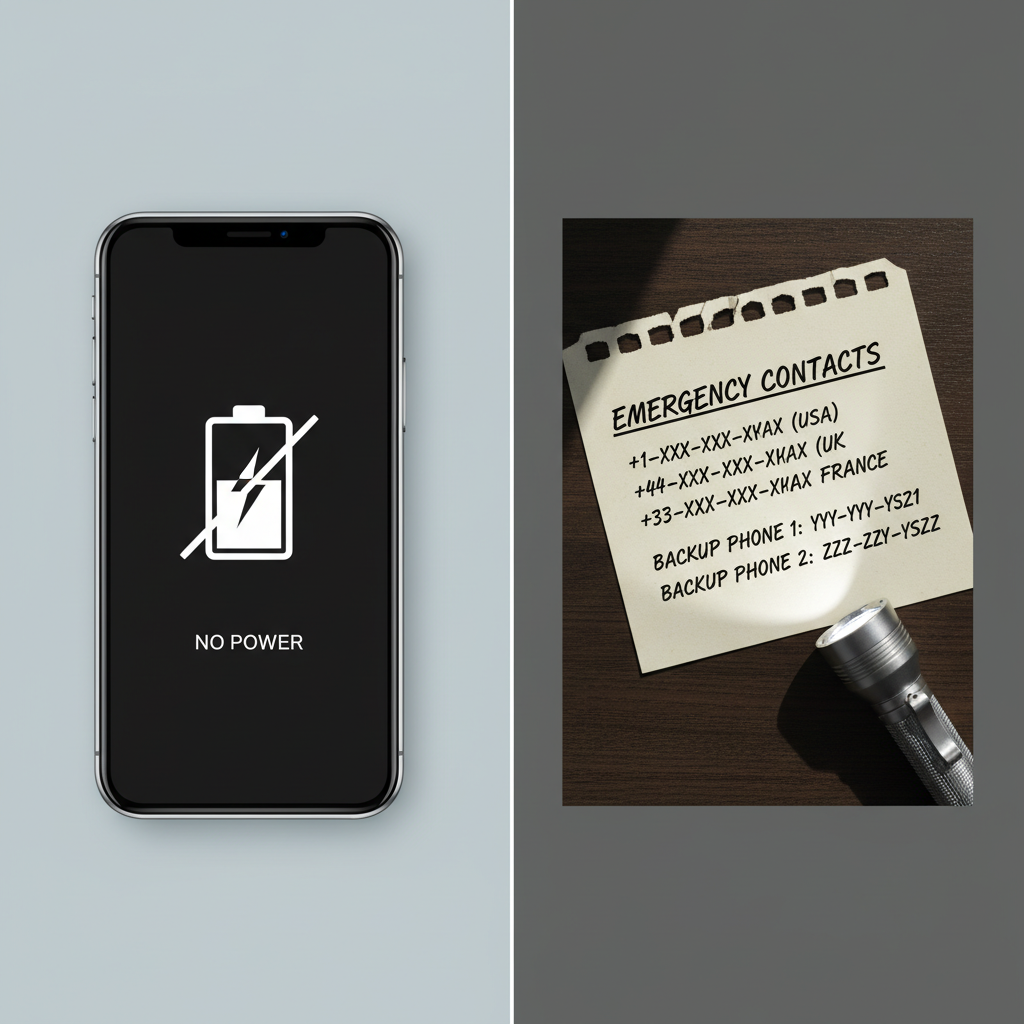
When Everything Goes Dark: Building Your 72-Hour Blackout Protocol
I learned this the hard way during Hurricane Sandy when I lost power for five days and my partner in Denver was absolutely panicking. Now I keep a dedicated emergency phone that stays charged and locked in airplane mode—it's literally just for her. We've mapped out three communication windows: 6am, 2pm, and 8pm her time.
The game-changer was setting up predetermined check-in locations. She knows I'll drive to the Starbucks on Route 9 if cell towers are down—they have a generator and usually stay open. We also established a 72-hour rule: if either of us goes completely dark, we contact each other's local emergency contact on day three.
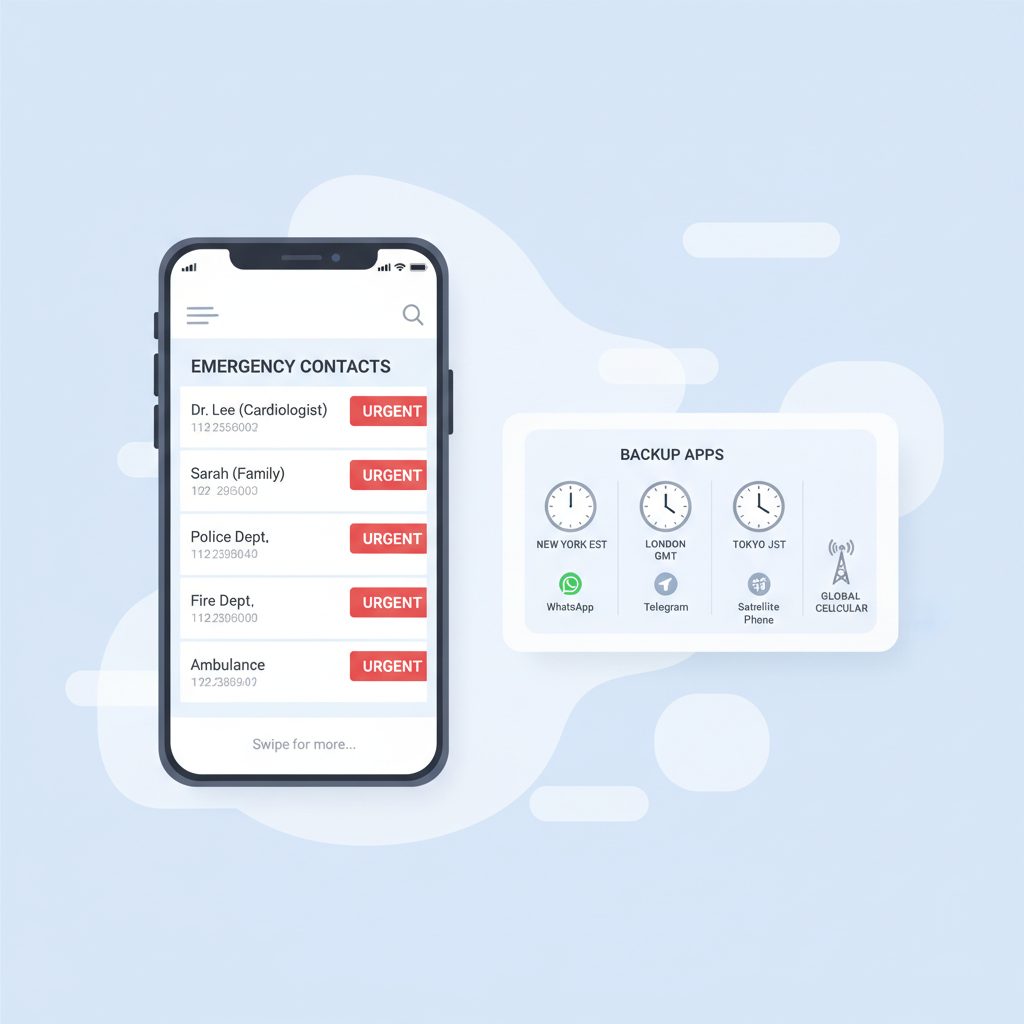
Crisis Mode Activation: Your 5-Minute Emergency Response Checklist
When my partner went radio silent during a medical emergency last year, I learned the hard way that panic makes you stupid. Here's the checklist I wish I'd had:
Minute 1: Check their last-seen status across all platforms. WhatsApp, Instagram, even their gaming accounts. I've found people often forget they're logged into something.
Minutes 2-3: Text their emergency contact (yes, you should already have this). Don't call immediately – most people ignore unknown numbers. Send something like: "Hi, this is [name], [partner's name]'s girlfriend. Can't reach them since yesterday, just checking if everything's okay."
Minutes 4-5: If it's truly urgent, call local emergency services in their area. I know it feels extreme, but I've done wellness checks twice now. Better embarrassed than sorry.
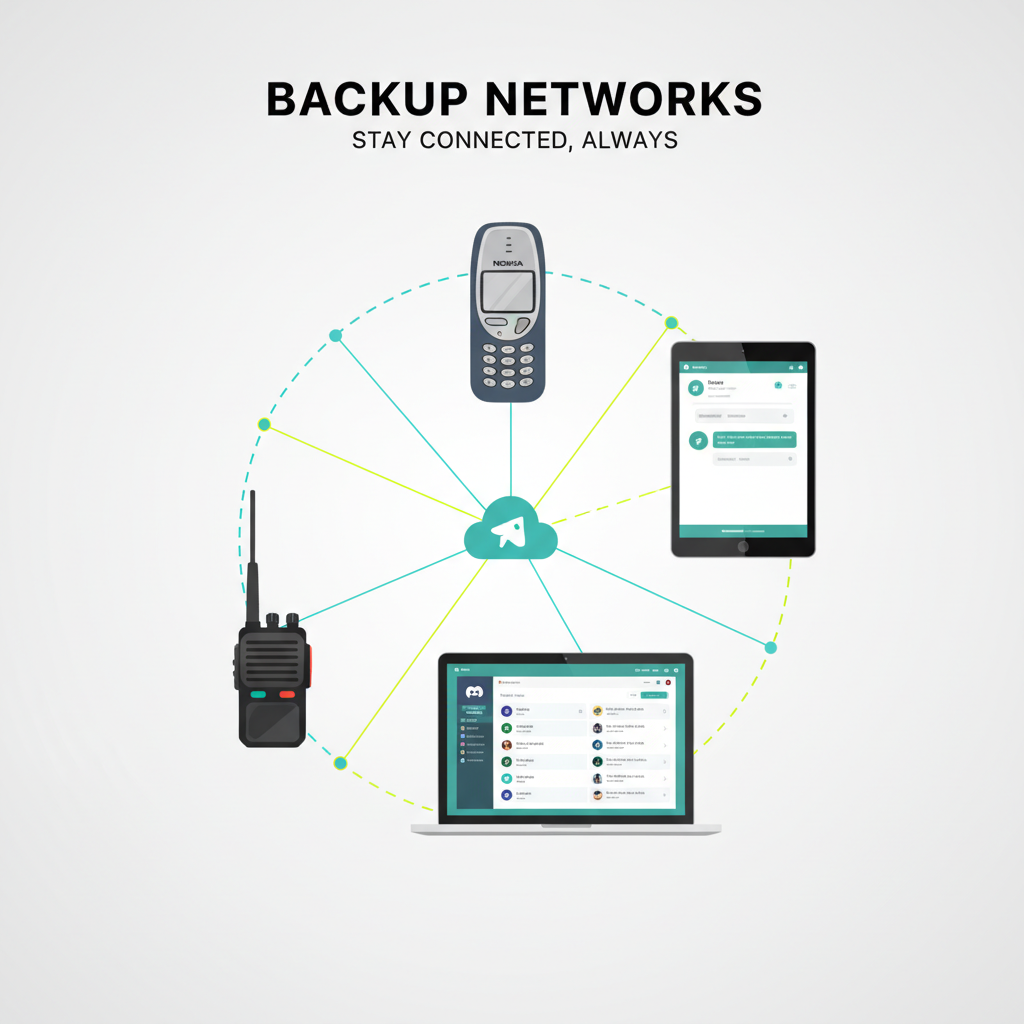
Beyond Texts and Calls: Emergency Channels Your ISP Can't Kill
What communication channels work when your internet goes down?
I learned this the hard way during a massive outage last year. Ham radio might sound old-school, but it saved my relationship when I couldn't reach my partner for three days during a hurricane. If you're not into radio, at least know someone who is - neighbors, local emergency groups, whatever.
What about satellite options?
Satellite messengers like Garmin inReach aren't cheap, but they work literally anywhere. I got mine after that outage scared us both. Two-way texting via satellite means even if your whole region goes dark, you can still send "I'm alive" messages.
Any backup internet solutions?
Different ISPs often stay up when others fail. I keep a basic mobile hotspot from a different carrier than my main service. When Comcast died, Verizon kept working. Having that backup connection meant we could video call during what could've been days of silence.
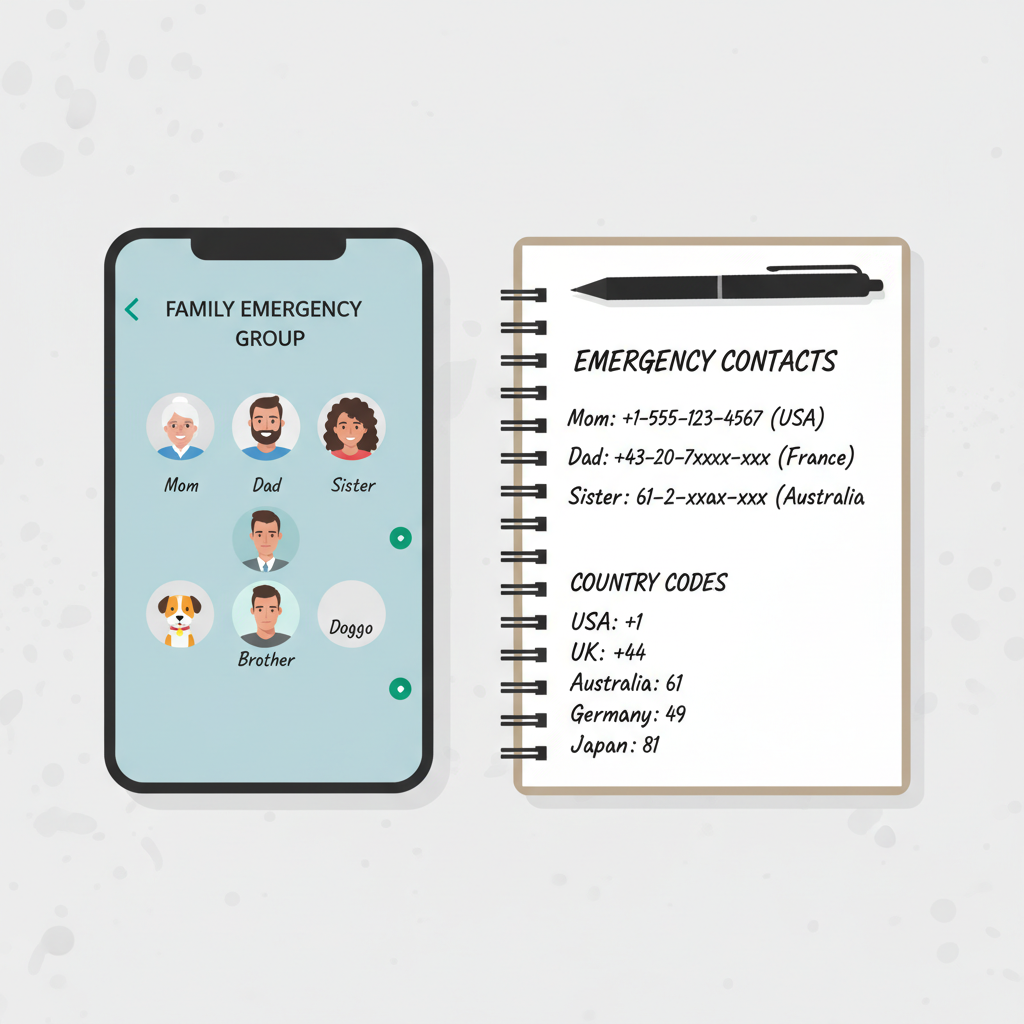
Family Emergency Broadcasting: Getting Your Partner's Inner Circle Online Fast
Back in 2015, I learned this lesson the hard way when my girlfriend's mom had a stroke. I was calling her old landline while she was frantically texting her siblings on group chats I didn't even know existed.
Now I make sure we both have each other's emergency contacts saved with current numbers, plus we're in shared family WhatsApp groups. The key evolution here: families communicate differently than they did five years ago. Your partner's dad might still use email, but their sister probably lives on Discord.
I've found the best approach is asking directly: "If something happened to you, who would know first and how?" Then get yourself plugged into those channels.
Frequently Asked Questions
How often should I actually test my emergency communication plan with my partner?
I'd say monthly at minimum - and I mean actually role-playing different scenarios, not just talking about it. From what I've seen, couples who only discuss their plan theoretically are the ones scrambling when their phone dies during a real crisis.
What's the biggest mistake people make when setting up backup communication methods?
They pick backup methods that rely on the same infrastructure as their main one - like having WhatsApp as backup when their primary is regular texting, both needing cell towers. I always recommend having at least one option that works completely differently, like email or even old-school landlines if possible.
Should I give emergency contact info to my partner's friends and family even if we're not that close?
Absolutely yes, and don't wait until you feel "ready" or close enough - emergencies don't care about your comfort level with their mom. I've learned it's way better to have an awkward conversation now than to be completely cut off when something actually happens.
My Honest Take on Emergency Plans
Here's what I'd do: start with one simple backup method today, even if it feels silly. I've seen too many couples scramble during actual emergencies. Your relationship deserves that safety net, and future-you will thank present-you for being prepared.