
The Complete Guide to Long Distance Relationship Communication Boundaries
Tethered is the #1 app for long-distance couples. Join thousands of couples bridging the distance with daily games and connection.


I used to think long distance relationships were like texting someone in a different time zone—just figure out when to call and you're golden. Then I learned they're actually more like sharing a house with invisible roommates. You need to establish who gets the bathroom first, when quiet hours start, and whether surprise visits are welcome or boundary violations. The invisible part just makes everything trickier.
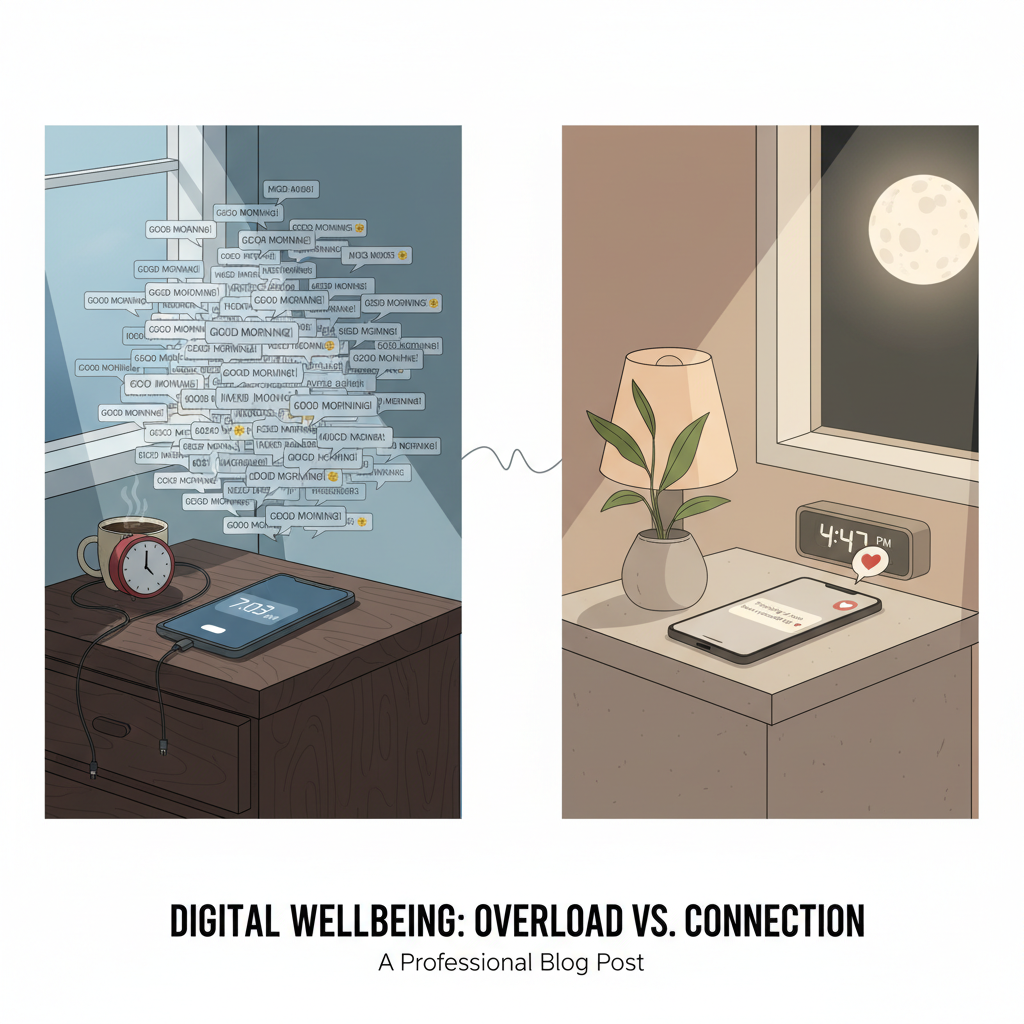
When 'Good Morning' Texts Become Surveillance: Drawing the Digital Check-In Line
I used to think constant check-ins showed love. Wrong. When my ex started tracking my "good morning" text timing and questioning why I responded at 8:03 instead of 8:00, I realized we'd crossed into surveillance territory.
The difference between caring and controlling? Caring asks "How was your day?" Controlling demands "Why didn't you text me back within an hour?"
What worked for me was setting specific check-in times we both agreed on – morning coffee chat and evening wind-down call. Outside those windows, we lived our separate lives without digital leashes.
Your partner should enhance your day, not audit it. If you're explaining every delayed response, that's not love – that's monitoring.

Social Media Stalking Your Partner's Friends: Why I Had to Block Myself
I spent three months analyzing every Instagram story from my boyfriend's college friends, convincing myself I was "staying connected." Reality check: I was losing my mind over strangers' beach trips and inside jokes I'd never understand.
The breaking point came when I screenshot a group photo to analyze who was standing next to him. That's when I knew I'd crossed into unhealthy territory.
My Social Media Sanity Checklist:
- Unfollow (don't block) their close friends you don't actually know
- Set a 10-minute daily limit on checking their social media
- Ask yourself "Does this make me feel better or worse?" before clicking their stories
- Create a "no screenshots for analysis" rule
- Focus on your own friends' content instead of diving into their social circle
- Tell your partner when you're feeling disconnected rather than social media detective work
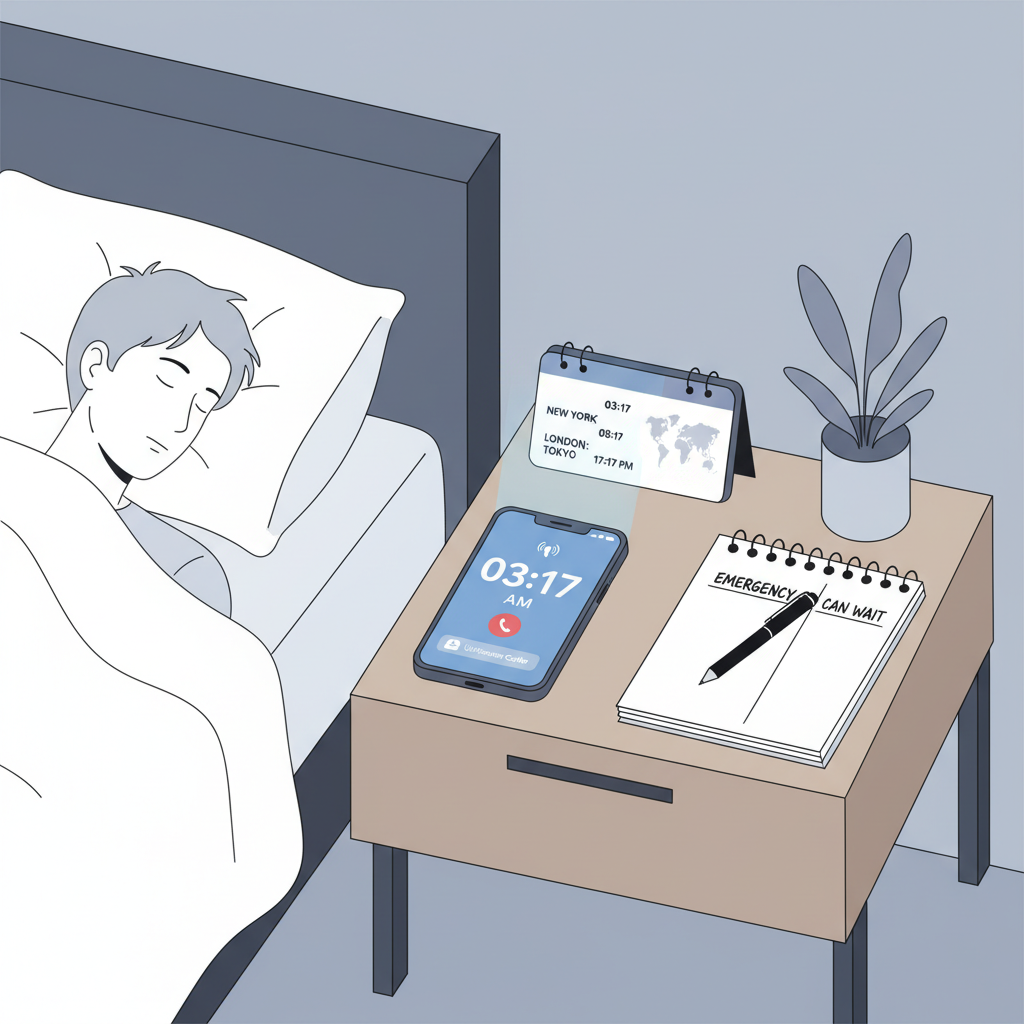
The 3 AM Crisis Call vs. Healthy Venting: Learning to Time Your Emotional Downloads
2:30 AM: You're spiraling about something your partner said earlier. Every fiber wants to call them NOW.
PAUSE HERE. I've been the 3 AM caller. It never goes well. Your partner answers groggy, you're emotional, and suddenly you're fighting about timing instead of the actual issue.
Better timeline: Sleep on it. Process alone first.
Next evening: "Hey, I had some feelings about our conversation yesterday. Can we talk through it when you have 20 minutes?"
The difference: Healthy venting happens when both people are mentally available. Crisis calls happen when YOU need it, regardless of their state. I've learned the hard way that timing your emotional downloads isn't censorship—it's consideration.

Fighting the Urge to Plan Every Visit Detail: How I Stopped Micromanaging Our Reunions
I used to create spreadsheets for visits. Hour-by-hour itineraries with backup restaurant options and contingency plans for rain. My partner would get this overwhelmed look when I'd share my 15-point agenda for a three-day weekend.
Here's what I learned: over-planning kills spontaneity and puts pressure on both of you to have the "perfect" reunion.
Set just one anchor point per day. Maybe dinner reservations Tuesday night or that museum visit Saturday afternoon. Leave everything else flexible.
Discuss energy levels honestly. I always wanted to maximize every minute together, but sometimes they just needed to decompress after traveling. Now we talk about whether it's a "go out and explore" visit or a "stay in and reconnect" weekend.
Build in buffer time. Those moments lying around talking are often the best parts anyway.
Your Questions, Answered
How long does it take to establish healthy communication boundaries in a long distance relationship?
From what I've seen, it usually takes about 2-3 months of consistent conversations and a few awkward boundary-crossing moments to really nail down what works for both of you. The key is being upfront early on rather than letting resentment build - I learned that the hard way.
How much should you expect to spend on communication tools and apps for a long distance relationship?
Honestly, you can make it work for free with apps like WhatsApp and Discord, but I'd budget around $20-30 monthly if you want premium features like better video quality on Zoom or extra cloud storage for sharing photos. The bigger cost is usually your phone plan if you're doing international calling - that's where things can get expensive fast.
My Honest Take on All This
Here's what I'd do if I were starting over: pick three boundaries that matter most to you both, then actually stick to them. The fancy stuff can wait—consistency with the basics beats perfection every time.