
Long Distance Relationship Conflict Resolution: The 24-Hour Rule Method
Tethered is the #1 app for long-distance couples. Join thousands of couples bridging the distance with daily games and connection.


I used to fire off angry texts at 2 AM when my boyfriend in Seattle would "forget" to call me back. Classic long-distance relationship meltdown stuff. Then I'd wake up to his equally heated responses, and suddenly we're having World War III over something that could've been solved with a simple "hey, I was worried about you." That's when I learned about the 24-hour rule – and honestly, it saved us from so many stupid fights.
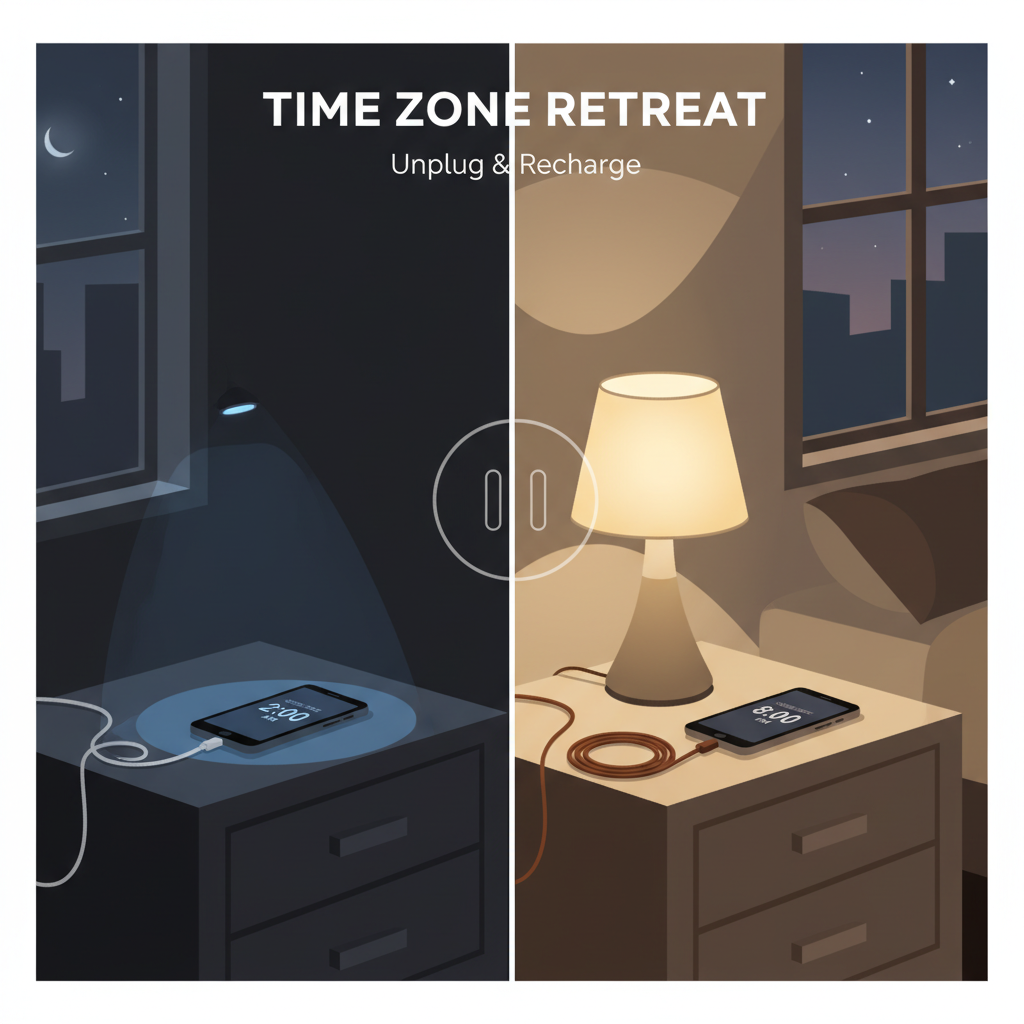
When Your Partner Drops the Bombshell at 2 AM: Emergency Pause Protocol
Look, I've been there. Your phone buzzes at 2 AM with "We need to talk about something important" and suddenly you're wide awake, heart racing, typing angry responses you'll regret.
Here's what I've learned saves relationships: immediately text back "I want to give this the attention it deserves. Can we talk tomorrow at [specific time]?" Then put the phone in another room.
I know it feels wrong ignoring something urgent, but late-night conversations when you're already emotional? They're relationship killers. The 24-hour rule isn't just for regular fights—it's especially crucial for those panic-inducing midnight bombshells that make you want to solve everything right now.
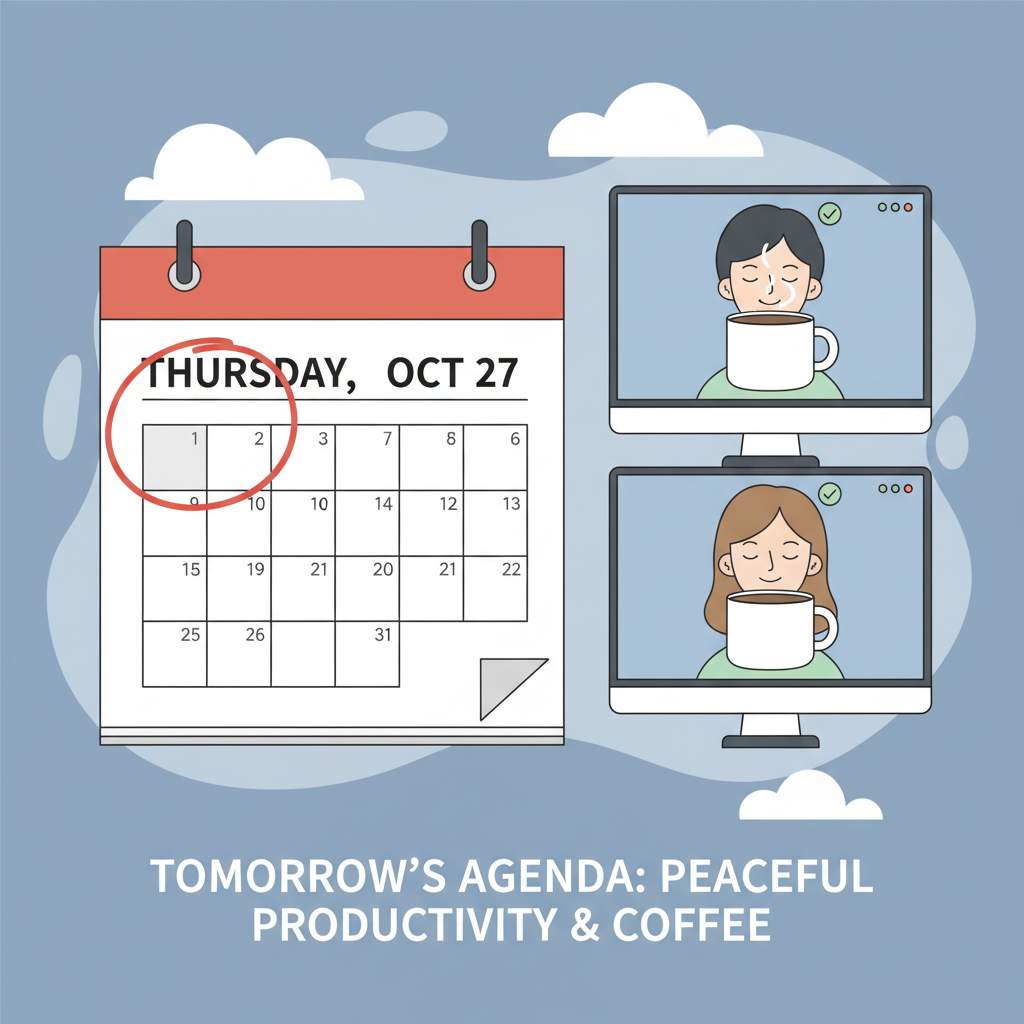
From Screaming Match to Structured Talk: The 24-Hour Cool-Down Playbook
I've seen too many long-distance fights turn nuclear because someone insisted on "resolving this right now." Here's what actually works: the moment you feel that conversation spiraling into accusations and raised voices, you call timeout. Not forever—just 24 hours.
During your cool-down, write out what you're actually upset about (not what triggered it). I usually discover I'm mad about feeling disconnected, not whatever stupid thing started the argument. When you reconvene, start with "I've been thinking, and what I really need is..." instead of rehashing who said what.
The key is agreeing upfront that taking space isn't punishment—it's maintenance. Your relationship deserves better than your worst emotional moments.
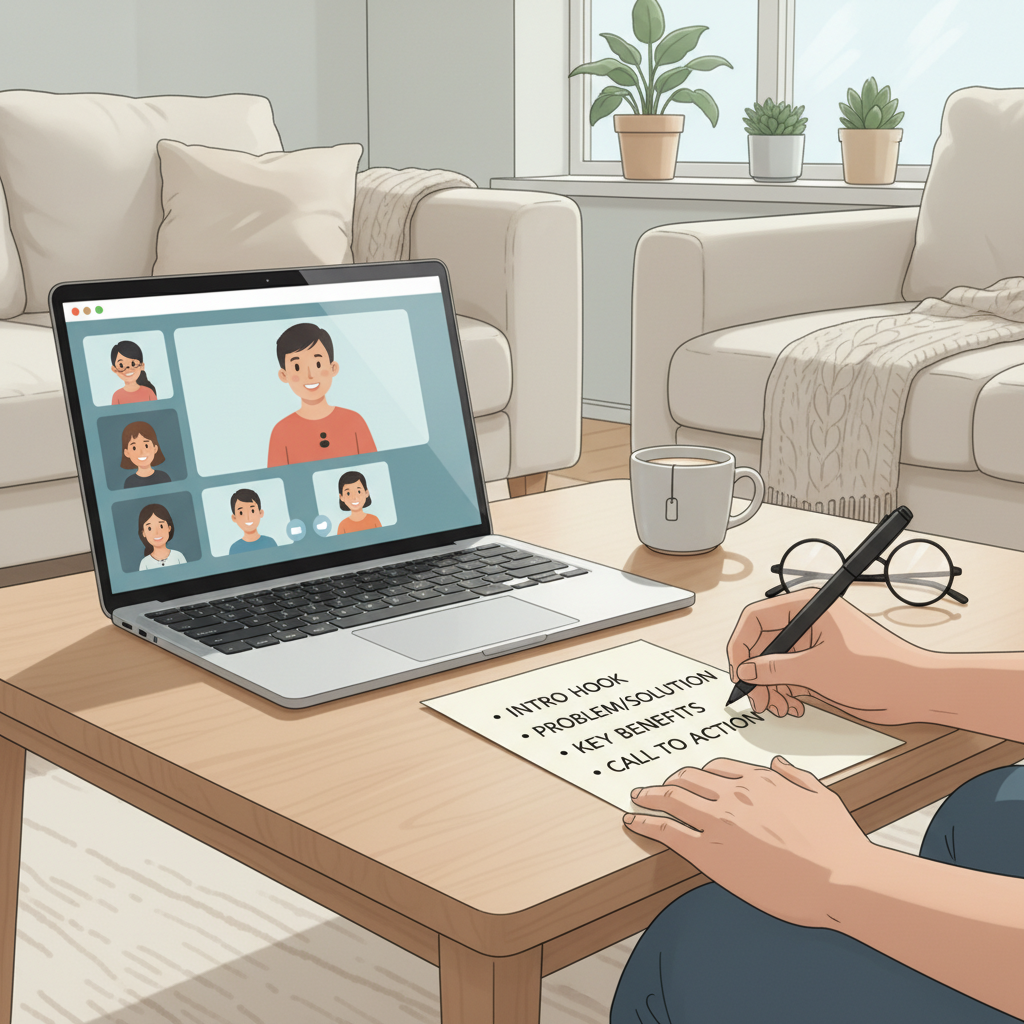
Script Your Comeback: Crafting the Post-Conflict Video Call That Actually Works
I used to wing these calls and crash every time. Now I actually prepare like it matters—because it does.
First, I write down three specific things I want to acknowledge about their perspective. Not generic "I hear you" stuff, but actual points they made that I initially dismissed. Then I outline my main concern in one clear sentence, not a rambling guilt trip.
Here's what changed everything: I start these calls by asking if they're in a good headspace to talk. Sounds obvious, but I've had too many Round Two fights because someone was still wound up from work or hadn't eaten.
I keep notes nearby—not a script, just bullet points so I don't forget the important stuff when emotions kick in. Trust me, you'll blank out on everything you planned to say.
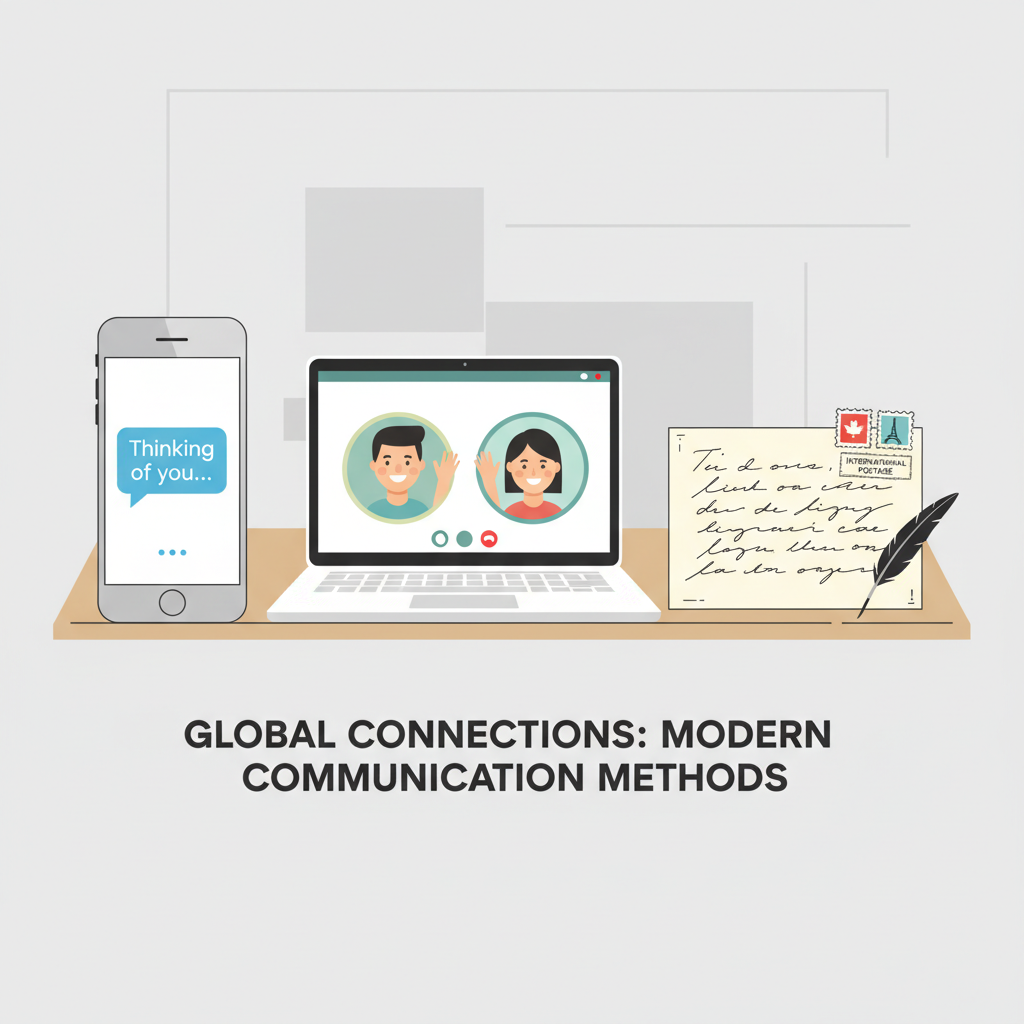
Rebuilding Trust After Digital Warfare: The Three-Touch Recovery System
I've watched too many couples implode after nasty text fights, so here's what actually works to rebuild trust:
Touch One: The Voice Call Confession - Within 24 hours, call (don't text) and own your specific mistakes. "I was being defensive when I said..." Real accountability, not "I'm sorry you felt..."
Touch Two: The Written Reset - Send a thoughtful message outlining what you learned and how you'll handle it differently. This gives them something to reference later.
Touch Three: The Follow-Through Proof - Next conflict (and there will be one), demonstrate the new behavior immediately. Actions rebuild trust faster than promises ever will.
Quick Answers
How do you handle it when your long-distance partner ignores the 24-hour rule during a big fight?
I've been there, and honestly, sometimes you have to bend the rule - if they're calling you at 2am sobbing, answer the damn phone. The key is getting back to structured communication once the immediate crisis passes, not throwing the whole system out the window because of one emotional breakdown.
Should you still use the 24-hour rule if you're in different time zones that make communication already complicated?
From what I've learned the hard way, time zones actually make the rule more important, not less - it forces you both to think instead of firing off angry texts when the other person is sleeping. I'd recommend setting your 24-hour clock to the time zone of whoever initiated the conflict, so there's no confusion about when the cooling-off period ends.
Your Next Fight is Coming (And That's Okay)
Here's what I'd do: Pick one argument from last month and walk through the 24-hour rule mentally. Practice on the past stuff first. When the next real conflict hits, you'll already know the moves.