
How to Make Your Long Distance Partner Feel Valued Through Daily Micro-Actions
Tethered is the #1 app for long-distance couples. Join thousands of couples bridging the distance with daily games and connection.


I've watched too many long-distance relationships crumble not because of the big fights, but because of the small silences. The missed good morning texts. The forgotten timezone calculations. The casual "how was your day?" that never comes. We're getting better at the grand gestures—surprise visits, elaborate care packages—but honestly? It's the tiny, consistent actions that make someone feel genuinely seen from 2,000 miles away. Most couples are still getting this backwards.
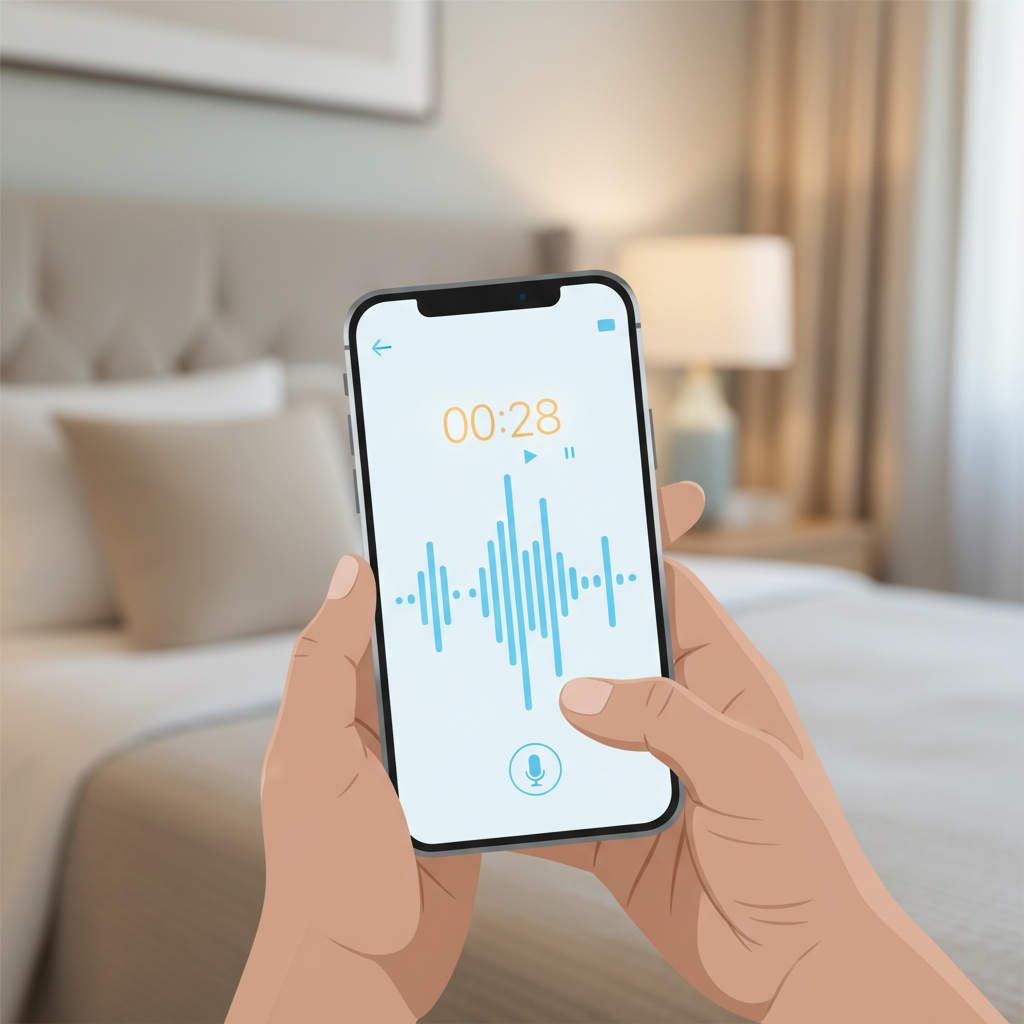
Voice Notes Beat Texting: The 30-Second Rule That Changed Everything
I discovered this by accident during a particularly awful week when I was too exhausted to type thoughtful responses. Instead of sending "busy day, talk later," I recorded a quick voice note explaining exactly what was happening and how much I missed them.
The response was immediate and dramatic. My partner said hearing my actual voice made them feel like they were right there with me, even though we were 2,000 miles apart.
Here's my framework: any message longer than a sentence becomes a 30-second voice note instead. You capture tone, emotion, and personality that text strips away. When you're describing your terrible commute or exciting work news, they hear your frustration or enthusiasm directly.
The magic happens in those little verbal pauses and inflections. It's the closest thing to being in the same room without actually being there.
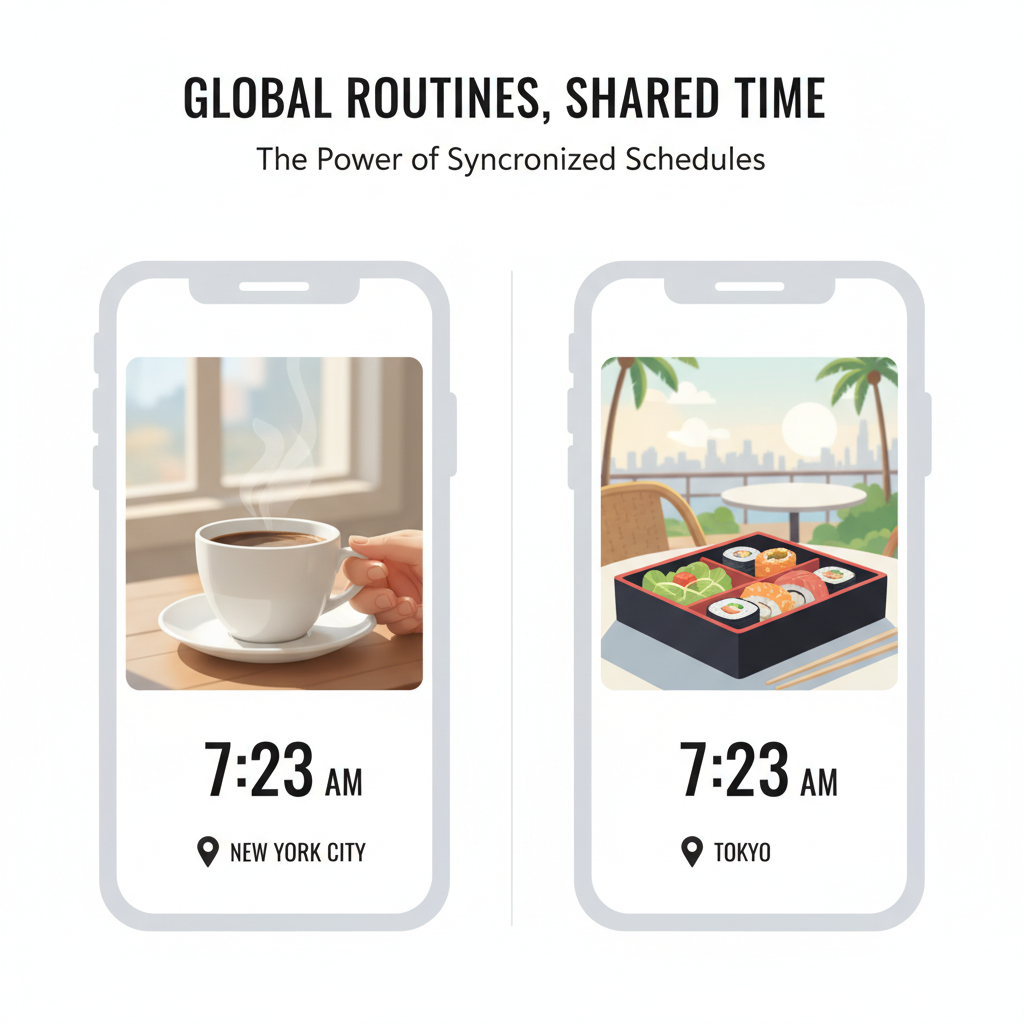
Photo Timestamps: Making Ordinary Moments Feel Like Shared Experiences
Myth: Sending random photos throughout the day is just visual clutter that doesn't mean much.
Reality: I've found that timestamped photos of mundane moments create the strongest sense of shared presence. When I send a photo of my coffee at 7:23 AM with "starting the day," my partner gets a real-time glimpse into my world that feels intimate and immediate.
The key is specificity and timing. Instead of just "here's my lunch," I'll send "12:47 PM - trying that Thai place you recommended" or "9:15 PM - found your favorite cookies at the store." These timestamps make ordinary moments feel synchronous, like we're moving through our days together despite the distance. It's surprisingly powerful for building that shared rhythm couples naturally develop when living together.
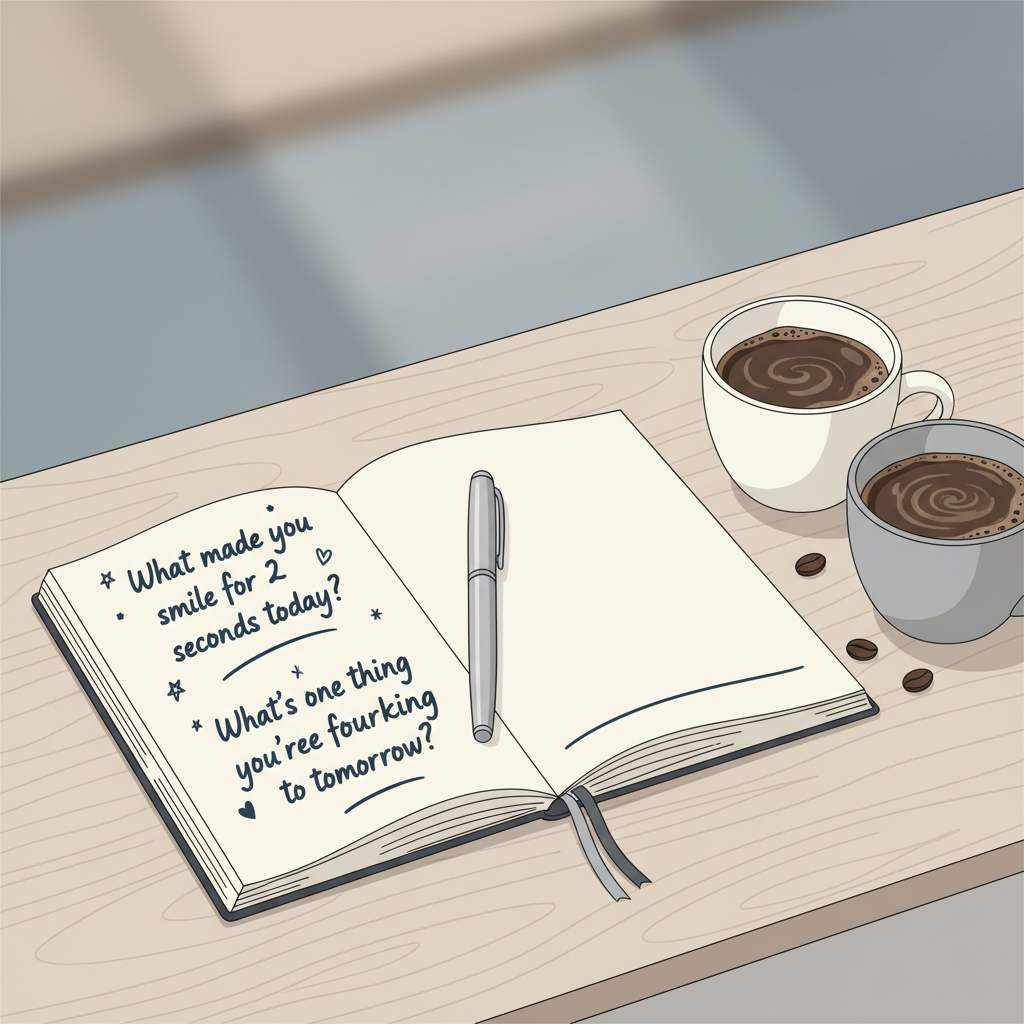
The Question Game: Moving Beyond 'How Was Your Day' in Three Steps
I learned this the hard way after months of dead-end "fine, how was yours?" exchanges. Here's what actually works:
Step 1: Get specific. Instead of "How was work?" try "What was the weirdest thing that happened today?" or "Who made you laugh today?" I've found these pull out actual stories instead of one-word responses.
Step 2: Follow the thread. When they mention their coworker being stressed, ask about it tomorrow. "How's Sarah doing with that project?" This shows you're actually listening, not just filling airtime.
Step 3: Share something vulnerable first. Lead with your own mini-confession or funny moment. It gives them permission to open up too. Works way better than playing question ping-pong.
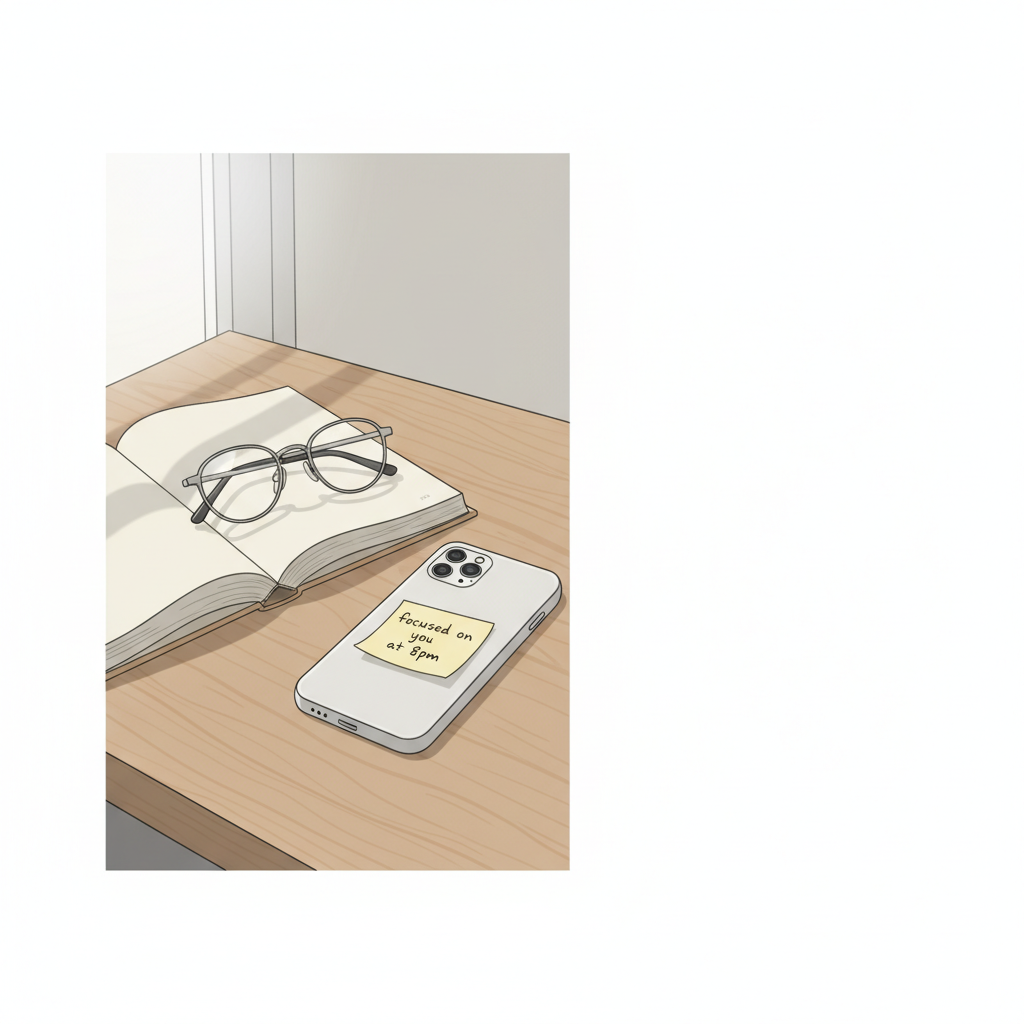
Digital Presence Without Pressure: Learning When NOT to Respond Immediately
Before: I used to panic when my girlfriend didn't reply within an hour, then fire off three follow-up texts. She'd eventually respond feeling overwhelmed and guilty.
After: I learned that constant availability isn't love—it's exhausting. Now I give her space to miss me a little.
What changed everything: I started putting my phone down during her work hours instead of refreshing our chat. When she texts "crazy day at the office," I don't immediately jump in with solutions. Sometimes I wait until evening and ask how her day ended up.
The result? Our conversations became deeper because neither of us felt obligated to perform constant connection. She actually texts me more now.

Small Mail Revolution: Why Physical Items Still Win in a Digital World
Here's where most people mess up: they think surprise packages have to be expensive or elaborate. Wrong. I've sent my partner a single tea bag with a note saying "for your 3pm slump" and watched her face light up on video call when it arrived.
The mistake everyone makes is overthinking it. A handwritten sticky note, their favorite candy bar, or even just a printed photo of something that reminded you of them hits different than any text ever will.
What works? I mail something tiny every few weeks – postcards from my neighborhood, a pressed flower, hotel soap from work trips. The physical proof that you were thinking of them while doing mundane things? That's relationship gold right there.
Frequently Asked Questions
What if my partner doesn't seem to notice or respond to my small daily gestures?
I'd honestly give it at least two weeks before worrying - some people need time to register patterns, and they might be appreciating it without showing it obviously. If there's still radio silence, I'd directly ask something like "Hey, I've been trying to send you little messages throughout the day - does that feel good to you or would you prefer something different?"
What if I keep forgetting to do daily micro-actions because I'm so busy with work and life?
Set a phone reminder for the same time each day, and honestly, lower the bar - I'm talking about literally texting "thinking of you" or sending one photo of your coffee. From what I've seen, consistency beats elaborate gestures every single time, so pick something stupidly simple that you can actually maintain even on your worst days.
Here's My Honest Take
Look, every day you're not doing these micro-actions is another day your partner questions if they matter to you. I'd start with just one tomorrow - maybe that good morning text or photo of your coffee. The distance is hard enough without them wondering where they stand with you.