
Daily Techniques to Reduce Long Distance Relationship Communication Anxiety
Tethered is the #1 app for long-distance couples. Join thousands of couples bridging the distance with daily games and connection.


Here's the thing I've learned about long-distance relationship anxiety: it's not actually about the distance—it's about the silence between messages. You know that pit in your stomach when you see "delivered" but no response for hours? I've been there, and I've watched friends spiral over delayed texts that meant absolutely nothing.
The good news is there are simple daily habits that can quiet that anxious voice before it takes over.
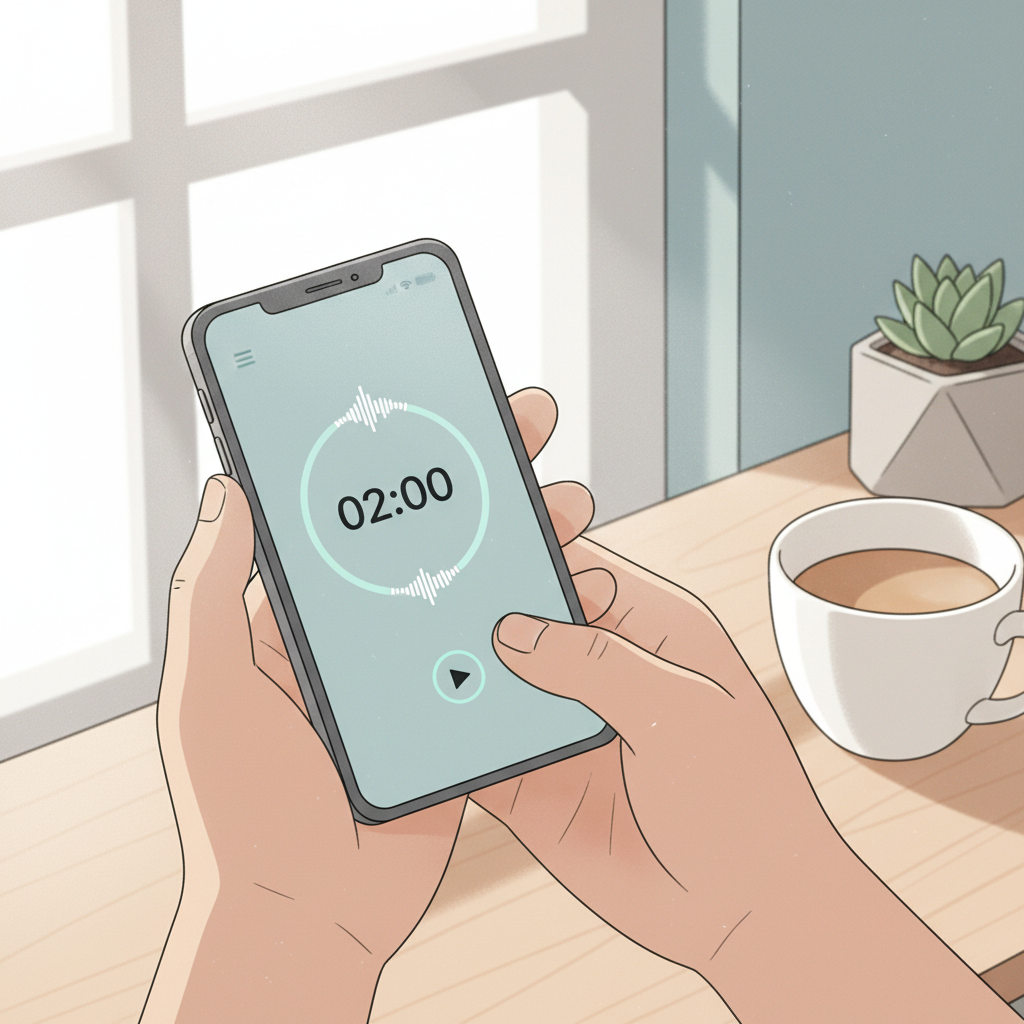
The Two-Minute Check-In That Saved My Sanity
I used to spiral every time my boyfriend took longer than usual to text back. Was he losing interest? Meeting someone new? My brain went to dark places fast.
Now I do this two-minute reality check whenever anxiety hits: I grab my phone and scroll through our last week of messages. I look for patterns—when he usually responds, how he signs off, his general tone.
Nine times out of ten, I realize he's just busy or following his normal routine. Seeing the actual evidence instead of my imagined catastrophes brings me back down immediately.
It sounds stupidly simple, but having concrete proof that everything's fine beats hours of pointless worrying.
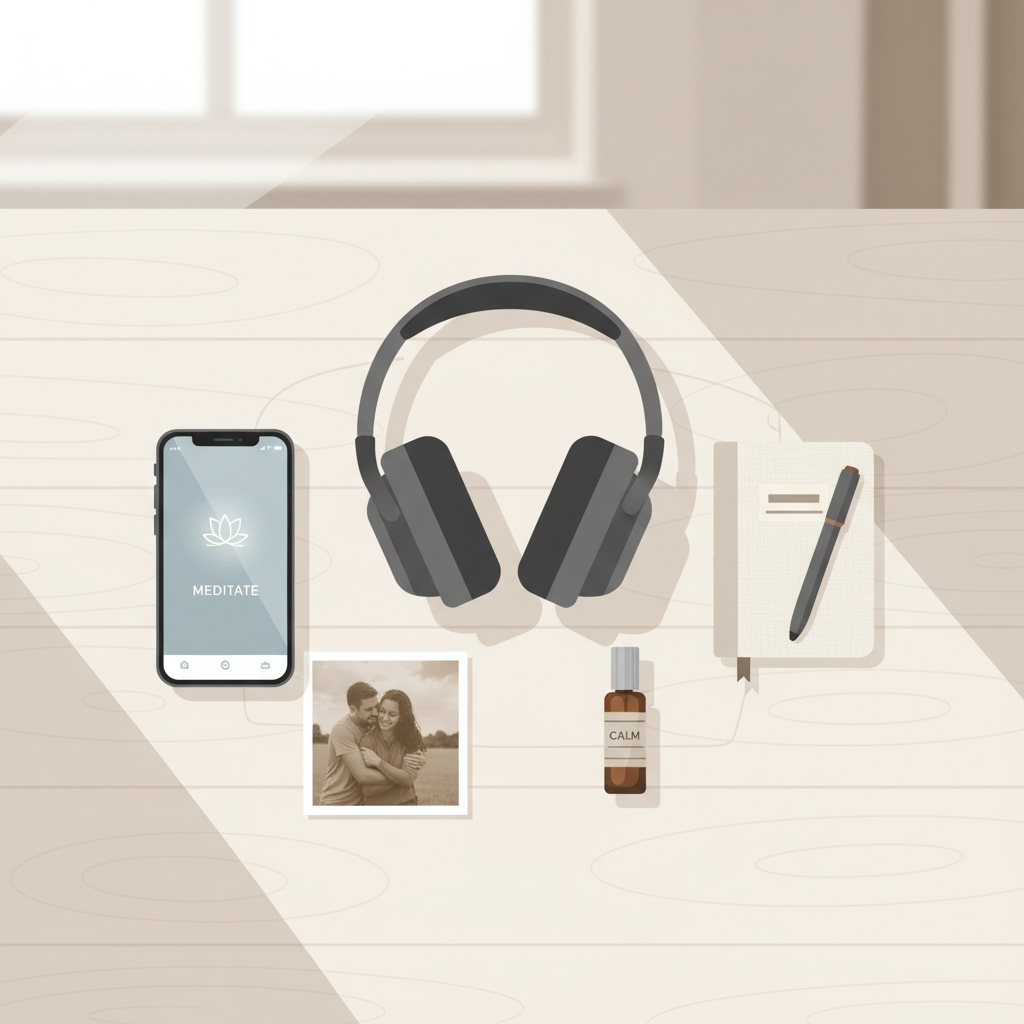
Building Your Personal Anxiety Emergency Kit
I learned the hard way that anxiety hits hardest when you're unprepared. An anxiety emergency kit is your collection of go-to tools for when communication panic strikes—those moments when you're spiraling because they haven't texted back in three hours.
My kit includes: a playlist that actually calms me down (not generic meditation music, but songs that work for me), three breathing techniques I can do anywhere, and a list of rational thoughts I wrote when I was feeling clear-headed. Things like "Being busy doesn't mean they love me less" and "One delayed response isn't relationship doom."
I also keep a distraction activity ready—for me, it's a specific mobile game that requires just enough focus to interrupt anxious thought loops. The key is preparing this stuff before you need it, not scrambling when you're already panicking.

The Power of Strategic Radio Silence
I learned this the hard way after spending three hours crafting the "perfect" response to my partner's slightly distant text. Sometimes the best thing you can do is absolutely nothing.
When my girlfriend sends a short reply or seems off, my brain immediately goes into overdrive. Is she losing interest? Did I say something wrong? The urge to send follow-up texts asking "Are you okay?" or explaining myself becomes overwhelming.
But I've found that strategic silence works better. I'll literally put my phone in another room and do something else for a few hours. Nine times out of ten, she'll text me normally later, and I realize her mood had nothing to do with me. She was just busy, tired, or dealing with her own stuff.
The key is distinguishing between genuine concern and anxiety-driven assumptions.
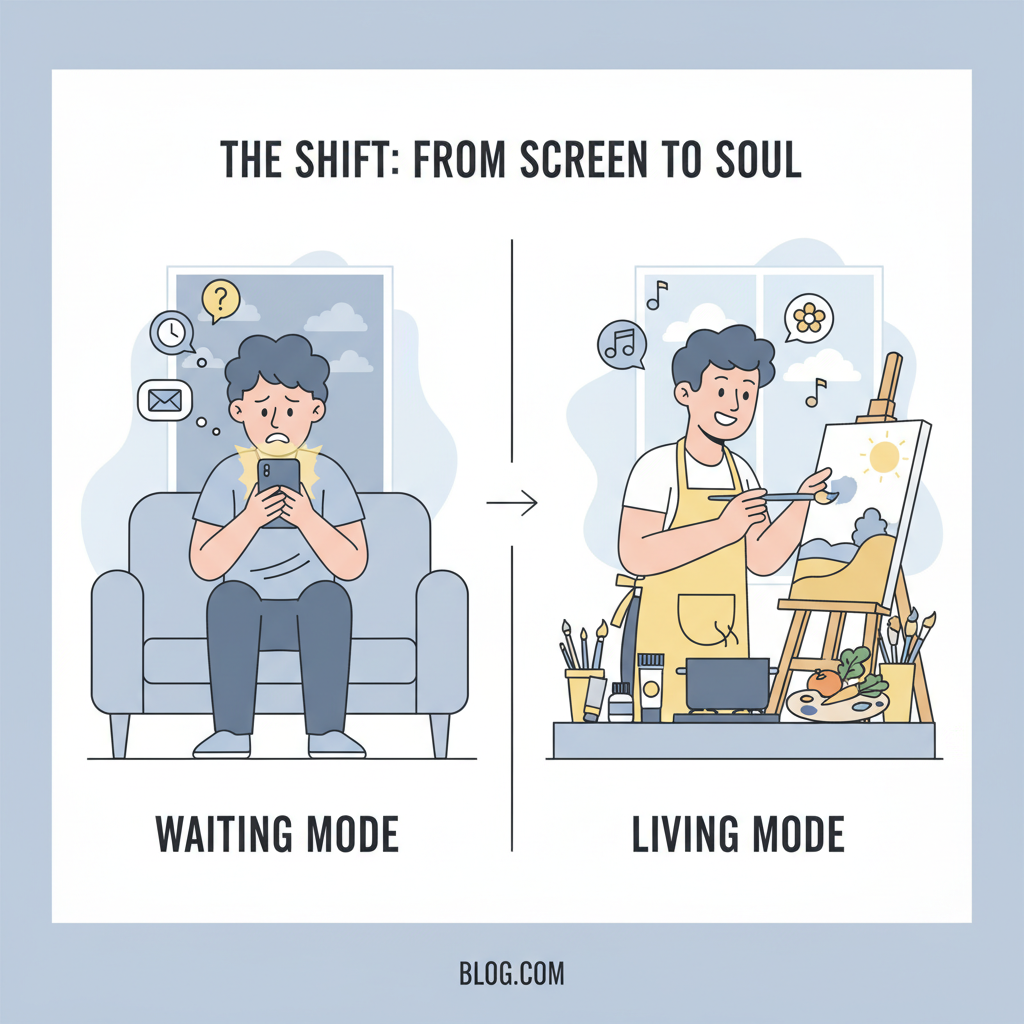
Reframing the Space Between Messages
I used to spiral every time my partner didn't text back within an hour. That silence felt like rejection, like something was wrong, like maybe they were losing interest. But over the years, I've completely flipped how I think about those gaps.
Now when there's radio silence, I tell myself they're living their life - which is exactly what I want them to do. They're at work, with friends, handling their day. The space between our messages isn't empty or threatening. It's just them being a whole person in their own timezone, which honestly makes our conversations even better when they happen.
Common Questions Answered
How do I stop overthinking every text message in my long distance relationship?
I've learned to set specific "check-in" times instead of constantly monitoring my phone - like texting good morning, midday, and goodnight rather than analyzing response times all day. When I catch myself spiraling over a short reply, I remind myself that my partner's texting style doesn't reflect their feelings, and I focus on our next scheduled video call instead.
When should I bring up communication anxiety with my long distance partner?
I'd recommend having this conversation during a calm video call, not right after a miscommunication or fight when emotions are high. From my experience, framing it as "I sometimes get anxious about our communication and want to work together on it" works way better than making it sound like they're doing something wrong.
Your Next 5 Minutes
Here's what I'd do right now: text your partner one specific thing you're grateful for about them today. Not "miss you" or "love you" - something concrete like "thanks for sending that weird meme this morning."
Gratitude kills anxiety faster than overthinking ever will.