
Daily Self-Care Practices for Long Distance Relationship Mental Health
Tethered is the #1 app for long-distance couples. Join thousands of couples bridging the distance with daily games and connection.


This might be unpopular, but I think we talk way too much about "making it work" in long distance relationships and not nearly enough about keeping yourself mentally healthy while you're in one. I've watched friends completely lose themselves trying to be the "perfect long distance partner" – staying up until 3am for calls, dropping plans constantly, basically putting their entire life on hold. That's not sustainable, and honestly? It's not even good for the relationship.
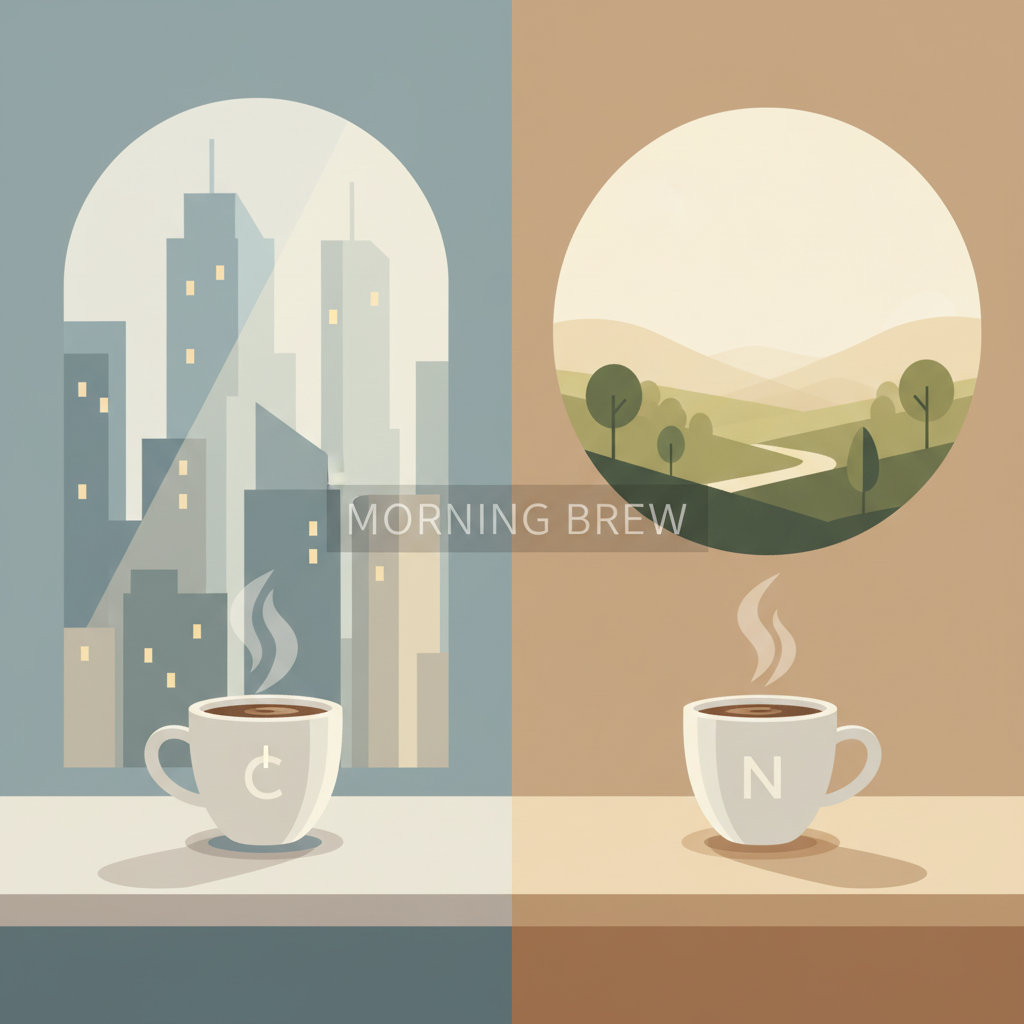
Your Morning Coffee Date Ritual (Yes, Even When They're 3,000 Miles Away)
I stumbled into this accidentally when my partner complained I never looked awake during our morning video calls. Now I set my coffee to brew five minutes before our scheduled time, so I'm actually functional when they appear on screen.
Here's what I've learned works: Pick the same time daily, even if it means one of you is drinking coffee at 3 PM. I keep my favorite mug specifically for these calls – it sounds silly, but having that physical ritual makes the virtual connection feel more real.
The key is treating it like you're actually sitting across from each other. No scrolling phones, no checking emails. Just coffee and conversation about absolutely nothing important. Sometimes we don't even talk much, just exist in the same digital space while we wake up.
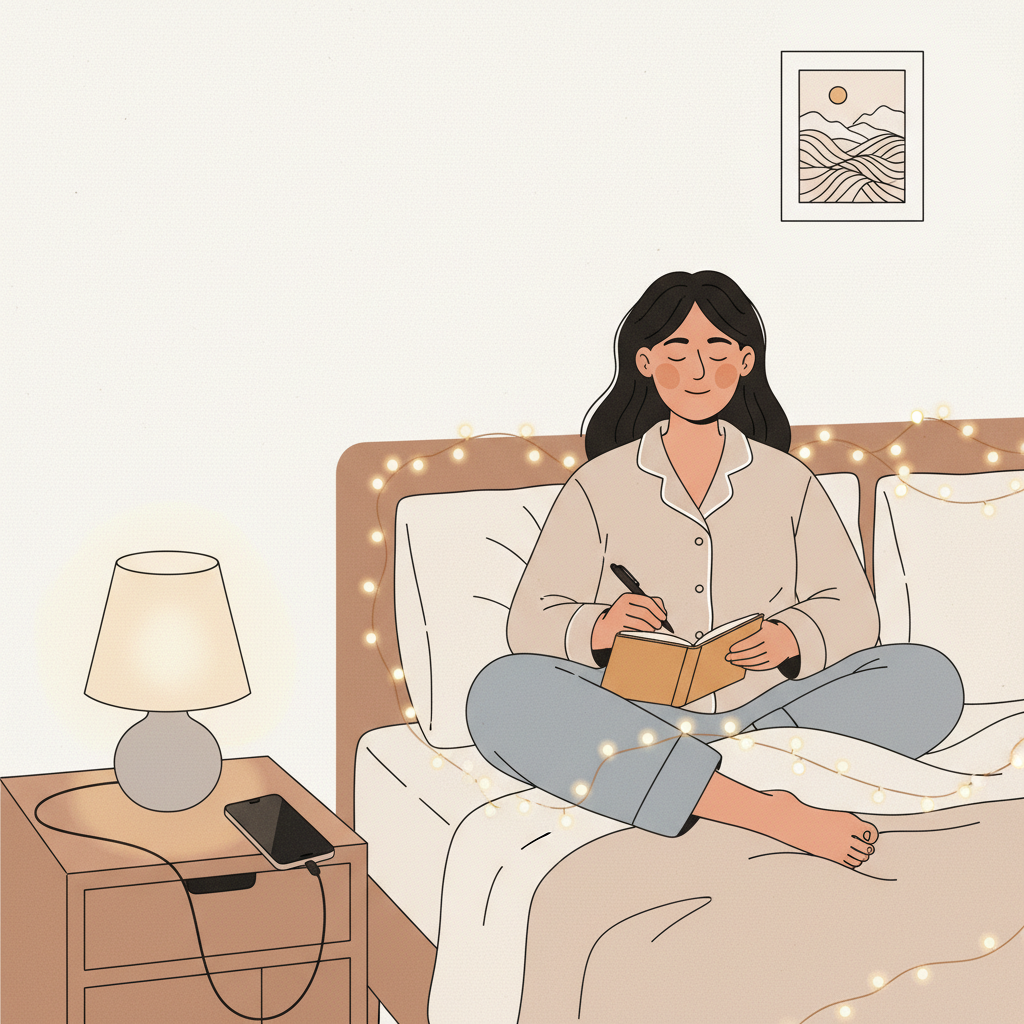
That 3 AM Overthinking Monster and How I Finally Tamed It
The Problem: I'd lie awake at 2:47 AM wondering if my partner's delayed "goodnight" text meant they were losing interest, or if that conversation felt different because we're drifting apart.
What I Tried: I created what I call a "3 AM thoughts parking lot" - a notes app where I dump every spiraling thought with a promise to revisit it in daylight. Turns out, 90% of my middle-of-the-night relationship anxiety looks ridiculous at 9 AM.
The Result: Instead of two hours of mental torture, I spend five minutes brain-dumping and actually sleep. My relationship improved because I stopped bringing phantom problems into real conversations.
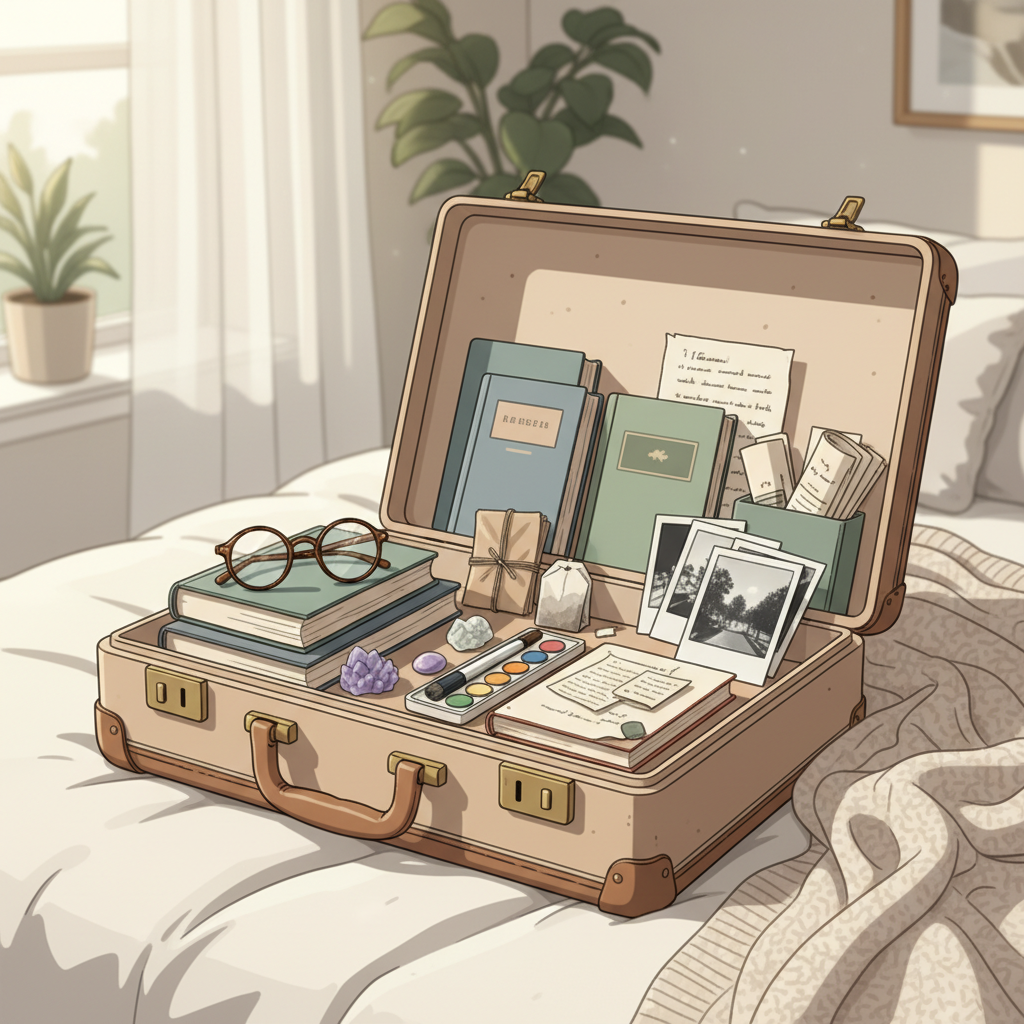
Building Your Own Happiness Toolkit (Because You Can't Wait for Visits to Feel Good)
I learned this the hard way: you can't survive on video calls alone. Your mental health needs daily maintenance, not just partner maintenance.
I built what I call my "happiness independence kit" - things that work whether my partner's available or not. My go-to lineup: morning pages (three pages of stream-of-consciousness writing), a 20-minute walk without podcasts, and one small creative thing daily, even if it's just rearranging my bookshelf.
The key is having backup options. Bad day and don't feel like walking? I do gentle stretching instead. Can't focus on writing? I organize something. The point isn't perfection - it's having multiple ways to reset your mood that don't depend on your phone ringing.
The Art of Missing Someone Without Losing Yourself in the Process
I used to think missing my partner meant I should put my whole life on pause. Rookie mistake. I'd decline dinner invites because "it wouldn't be the same without them" and skip hobbies because everything felt hollow. What I learned the hard way is that missing someone doesn't require self-erasure.
The shift happened when I realized my partner fell in love with me as a whole person with interests, friends, and goals. Shrinking myself into a waiting room wasn't honoring our relationship—it was betraying it.
Now I practice what I call "active missing." I go to that concert and think about how I'll tell them every detail later. I try new restaurants and mentally note what they'd order. Missing them becomes fuel for staying engaged with life, not an excuse to abandon it.
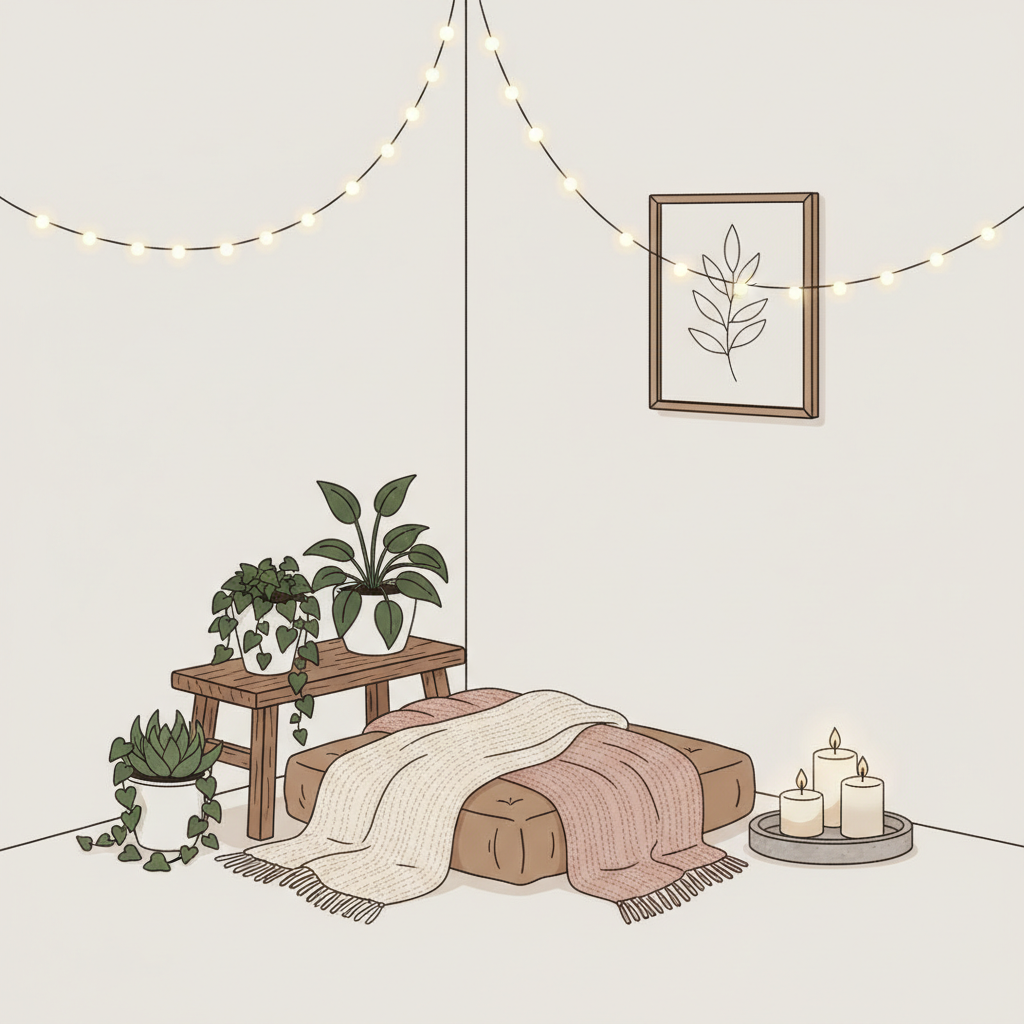
Creating Sacred Space in Your Chaos (Even in That Tiny Studio Apartment)
I used to think you needed a whole meditation room to have a "sacred space." Then I spent two years in a 300-square-foot studio missing my partner every damn day, and I got creative fast.
Your sacred space doesn't need Instagram-worthy aesthetics. Mine was literally the corner of my bed with a $3 candle from CVS and a playlist called "Don't Cry Today." What matters is consistency—same spot, same ritual, every time.
I'd clear my nightstand, light that candle, and sit there for ten minutes before our evening video calls. It became my reset button between work chaos and relationship time. Even when my roommate was cooking fish sticks three feet away.
The key is claiming space intentionally, not perfectly. A folded blanket on the floor works. A specific chair works. Just make it yours and defend that time fiercely.
What People Ask
Should I focus on morning self-care routines or evening wind-down practices for my long distance relationship stress?
I'd go with evening routines - from what I've experienced, that's when the loneliness and overthinking really kicks in after a long day apart. Morning routines are great, but having something solid to look forward to at night (like journaling about your day to share later or doing a calming activity) helps way more with the anxiety that builds up throughout the day.
Is it better to do solo self-care activities or virtual couple activities when I'm feeling disconnected from my partner?
Solo self-care first, then couple activities - trust me on this one. When I'm already feeling disconnected or needy, jumping straight into virtual dates or calls usually makes things worse because I'm not in the right headspace. I've found that doing something just for me (like a workout or creative project) helps me show up as a better partner when we do connect virtually.
Your Next Five Minutes
Here's what I'd do right now: text your partner something specific you appreciate about them today. Not "miss you" - something real, like how they made you laugh yesterday or handled that work thing. Small gestures build the bridge between you.