
Daily Emotional Support Techniques for Long Distance Partners With Anxiety
Tethered is the #1 app for long-distance couples. Join thousands of couples bridging the distance with daily games and connection.


It's 2 AM and my phone buzzes with a text from my partner three time zones away: "Having a panic attack, can't sleep." I'm wide awake instantly, my mind racing through what I can possibly do from 2,000 miles away. If you've been in a long-distance relationship with someone who has anxiety, you know this helpless feeling intimately. I've learned that supporting an anxious partner from afar requires a completely different toolkit than being there in person.
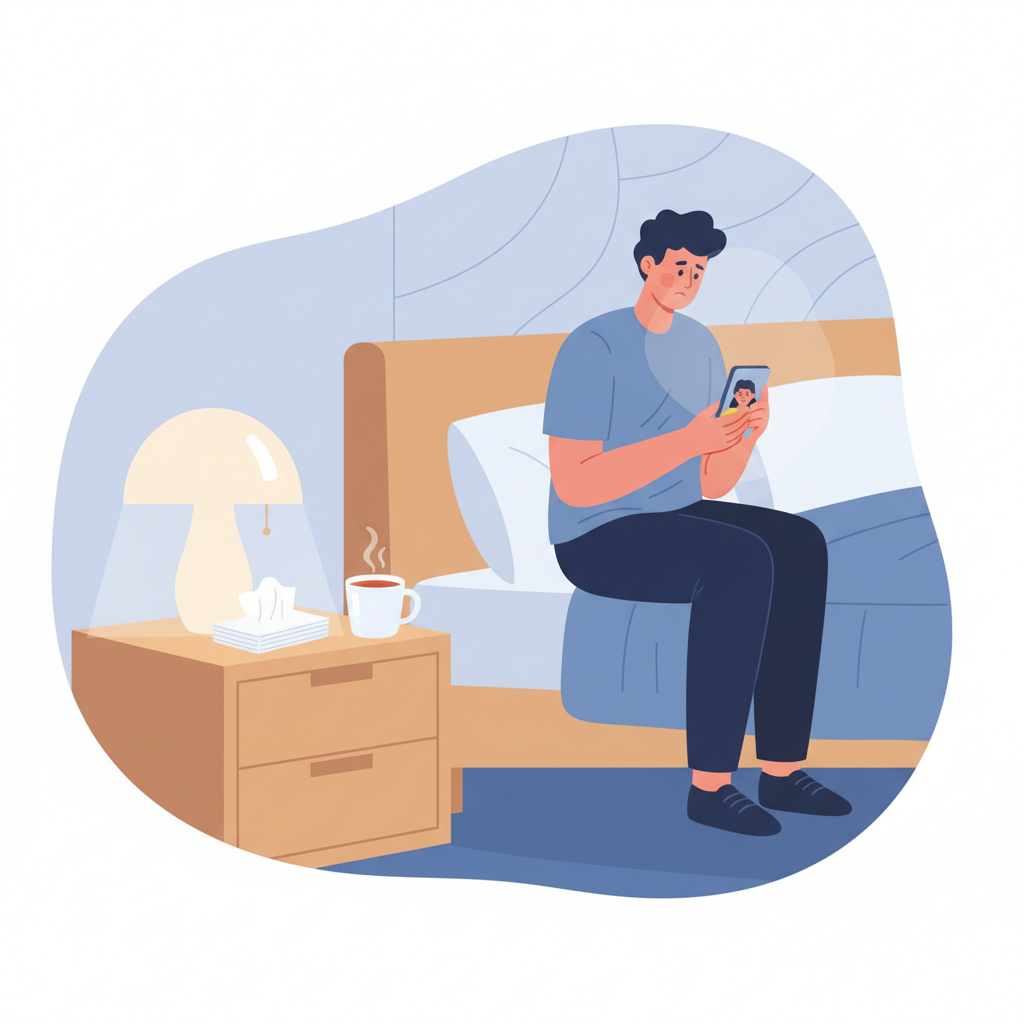
When 2 AM Panic Hits and They're 3,000 Miles Away
Before: I'd spiral into this horrible loop where anxiety would hit at 2 AM, they'd be asleep in another timezone, and I'd just... catastrophize everything. Send twelve panicked texts, stare at my phone waiting for responses that wouldn't come for hours, then feel guilty for being needy.
After: I built what I call my "3 AM survival kit." Voice memos became my lifeline - I'd ramble into my phone like they were right there listening. Started keeping a shared photo album we could both add to anytime. When panic hit, I'd scroll through pictures of us, add a new meme, or record a voice note saying "anxiety brain is being mean again, but I love you."
The shift? I stopped trying to get immediate comfort and started creating connection I could access solo.

Building Your Emergency Comfort Kit for Distance Anxiety Spirals
I learned the hard way that panic hits when you're least prepared. Now I keep a dedicated box with my partner's worn hoodie, screenshots of our sweetest texts, and that ridiculous selfie where he's making faces at his cat.
The key is making it physical and immediate. I've got a playlist called "Jake's Voice" with voice messages he sent during good moments. When my brain starts the "what if he's losing interest" spiral at 2 AM, I don't scroll through our entire chat history like a detective—I grab the box.
What really works is having backup plans for the backup plans. Emergency video call code word. A shared Google doc with reassuring messages we wrote for each other during calm moments. Sometimes you need proof that the spiral is lying.
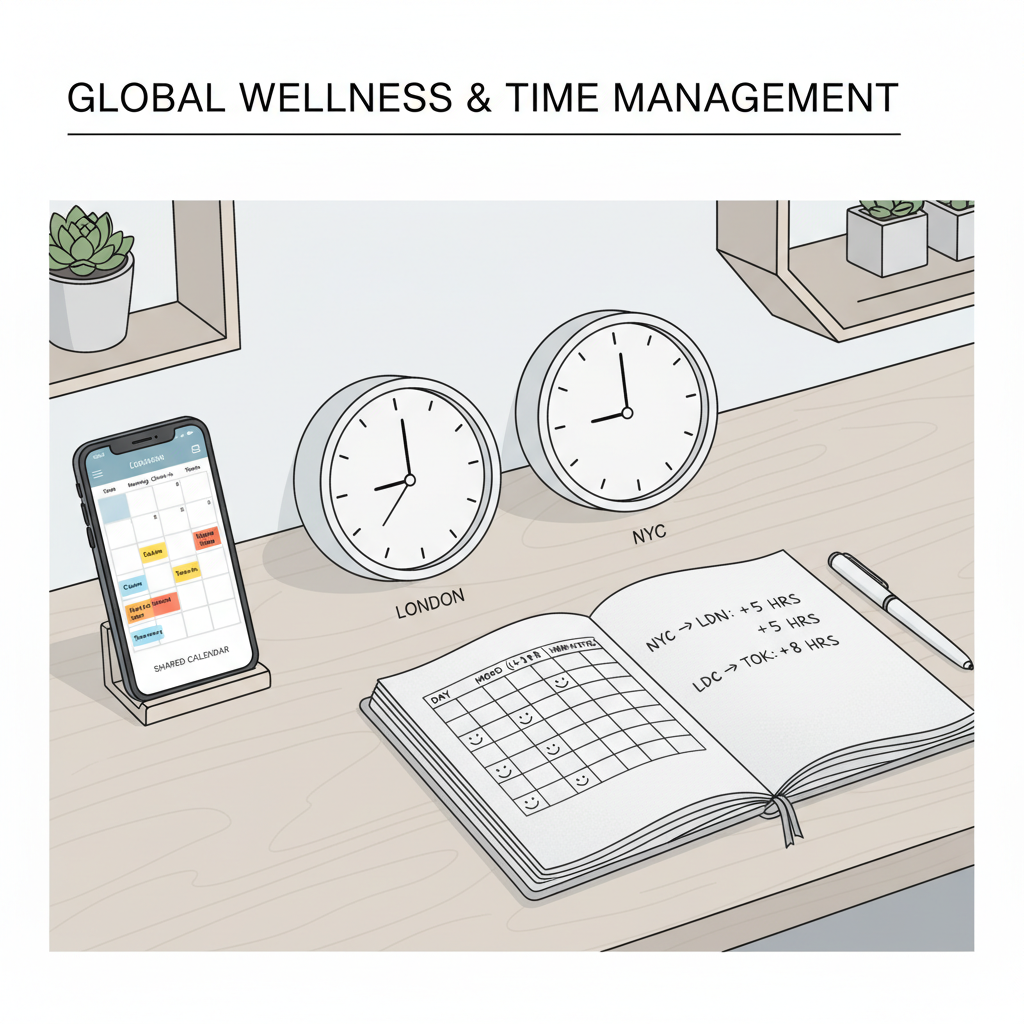
Turning Timezone Chaos Into Your Anxiety Management Superpower
Here's what I learned about timezones: they're either going to destroy your mental health or become your secret weapon. I used to spiral every time my partner went offline for their workday while I was having a panic attack at 2am. Now? I've turned that time difference into built-in anxiety management.
When my partner's asleep, I know I need to have my own coping toolkit ready. I've mapped out exactly what I'll do during their "offline hours" - journaling, calling my local friends, going for walks. No more sitting there refreshing messages and catastrophizing.
The best part? Different timezones mean one of you is usually in a calmer headspace. My partner catches me when I'm spiraling at night, I support them during their morning anxiety. It's like having anxiety coverage around the clock.
Common Questions Answered
What if my anxious partner shuts down during our video calls and nothing I say seems to help?
When my partner used to go quiet and withdrawn on calls, I learned that sometimes the best thing is to just sit with them in silence and let them know you're there - I'd say something like "I'm not going anywhere, take your time" and just stay on the call doing my own thing nearby. If that doesn't work after trying it a few times, I'd honestly suggest scheduling shorter, more frequent check-ins instead of long calls that might feel overwhelming when their anxiety is spiking.
What if sending good morning texts and daily check-ins starts feeling forced or like a chore for both of us?
I've been there, and honestly, when the routine starts feeling robotic, it's time to shake it up - maybe switch to voice messages, random photos of your day, or even just sending memes that remind you of them. From what I've seen, the key is keeping some kind of daily touchpoint but changing the format when it gets stale, because consistency matters more than the specific method you use.
My Honest Take on Surviving the Distance
Here's what I'd do: pick two techniques that actually feel doable and commit to those first. Don't overwhelm yourself trying everything at once when you're already anxious. The truth is, even small daily check-ins can be absolute lifesavers when your brain spirals at 2 AM.