
The Complete Guide to Long Distance Relationship Digital Security and Privacy
Tethered is the #1 app for long-distance couples. Join thousands of couples bridging the distance with daily games and connection.


What most people don't realize is that long-distance relationships create a weird digital vulnerability most couples never think about. I've watched friends get burned when their partner's ex somehow accessed their shared photo album, or when a jealous roommate figured out their video call schedule. When your entire relationship lives on screens and servers, suddenly privacy becomes this massive trust exercise you never signed up for. The stakes feel different when a security breach doesn't just expose your data—it can literally expose your most intimate moments with the person you love most.
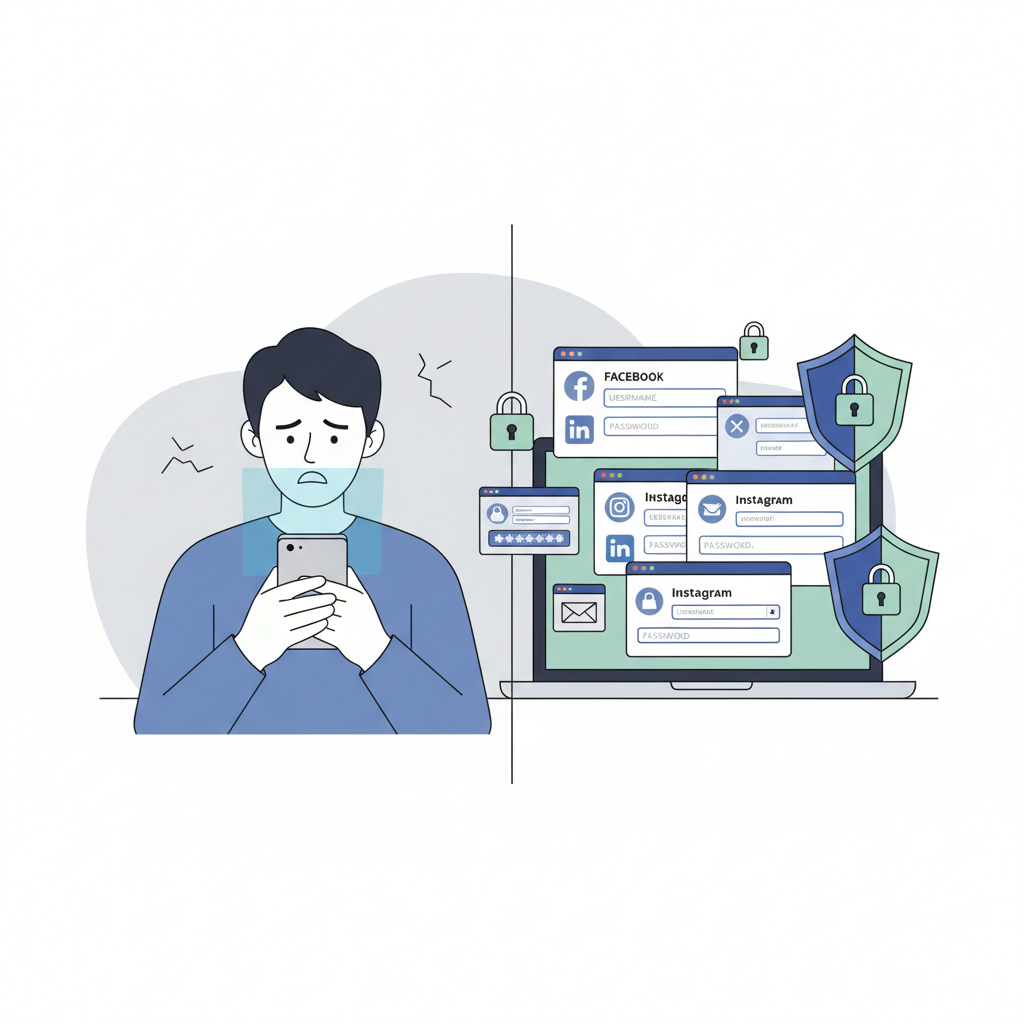
When Your Partner's Ex Finds Your Private Messages: Securing Shared Accounts and Digital Boundaries
I learned this lesson the hard way when my partner's ex somehow accessed our Instagram DMs through a shared Netflix account. Turns out they were still logged into each other's devices from when they lived together, and that ex had been quietly lurking for months.
The fix isn't just changing passwords – it's understanding how accounts connect. Check every device your partner might have shared access to: tablets, gaming consoles, smart TVs, even their car's infotainment system. I've seen exes access Spotify accounts through old Alexa devices and find relationship clues through shared playlists.
Create completely fresh accounts for your relationship communication. Don't just log out of old ones – revoke access entirely through account settings. Your private conversations deserve actual privacy, not just the illusion of it.
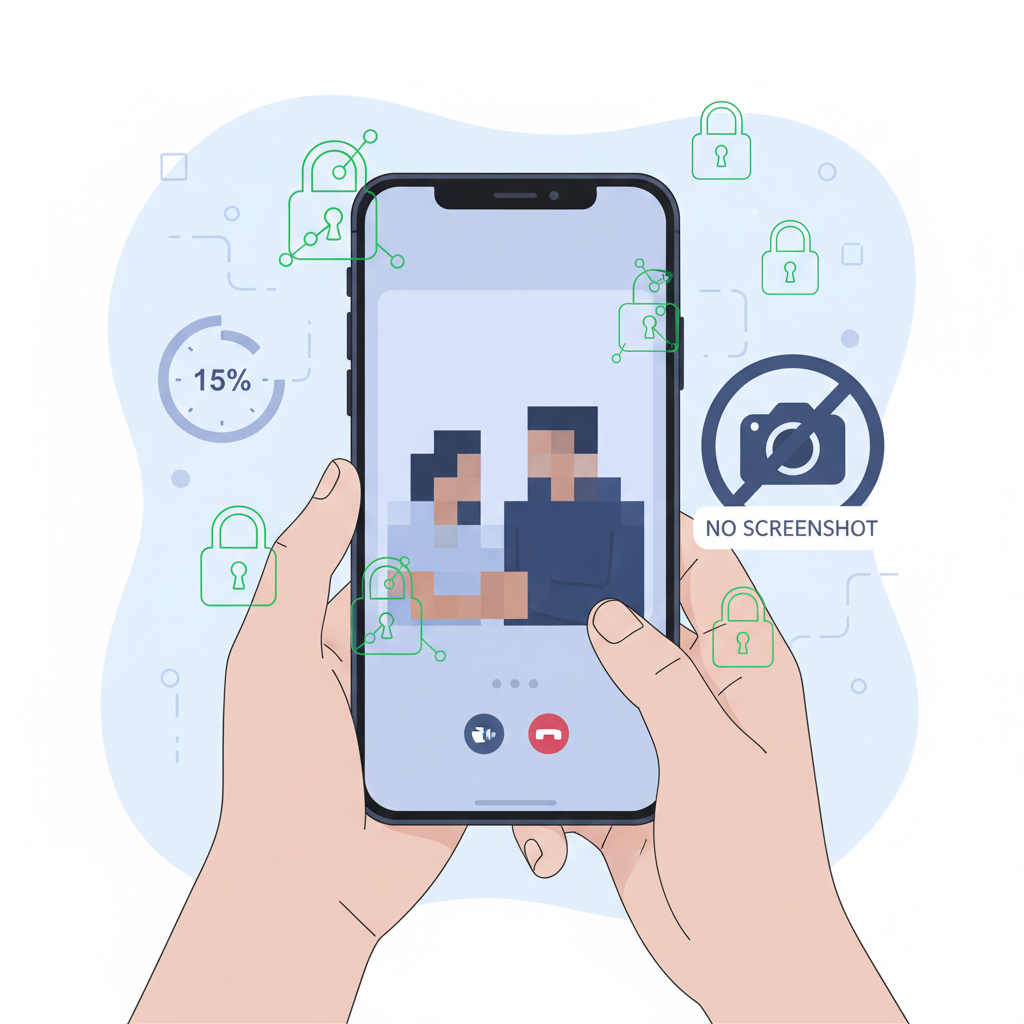
Fighting Over Screenshots: How to Handle Intimate Content Without Creating Digital Evidence
I've watched too many couples destroy each other with screenshots during breakups. The solution isn't avoiding intimate conversations—it's being smart about how you have them.
For sensitive exchanges, I recommend using disappearing message apps like Signal (messages auto-delete) or Telegram's secret chats. These create zero permanent record while still letting you be yourselves with each other.
The bigger issue? Arguments often start when partners screenshot fights to "prove" who said what. I've found setting a basic rule helps: no screenshots of relationship conversations, period. If you can't remember what was said, that's probably the real problem you need to address.
Video calls work better for heavy emotional talks anyway. Harder to misinterpret tone, impossible to screenshot mid-conversation, and you actually have to deal with each other in real time.
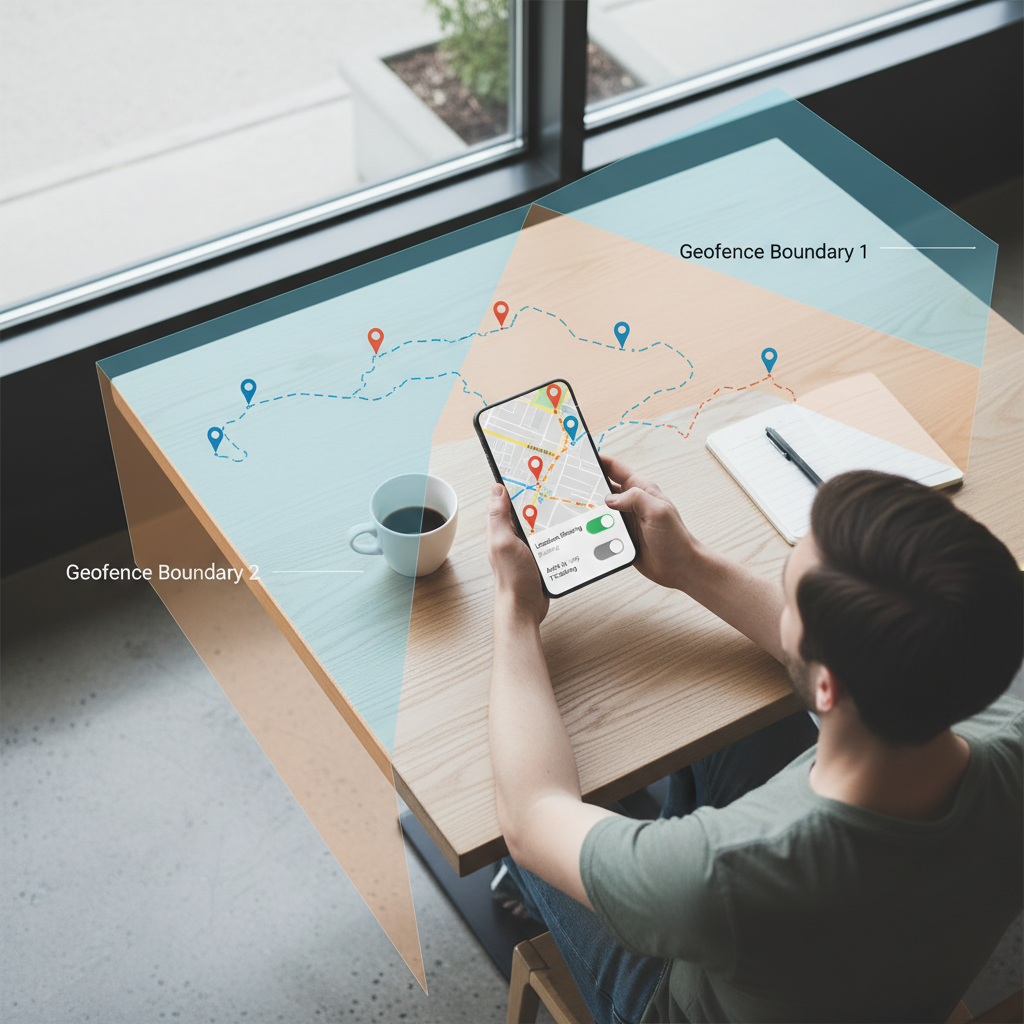
Your Location Says You're Lying: Managing GPS Tracking, Check-ins, and Trust Without Surveillance
Location sharing can either kill paranoia or feed it. I've seen couples destroy themselves checking timestamps and questioning why someone was "active 15 minutes ago" but didn't respond to texts.
The healthy middle ground I've found: voluntary, temporary sharing. Share your location heading to that sketchy late-night Uber ride, not as constant surveillance. Use it for "hey, I'm almost home" convenience, not "prove you're really at work" anxiety.
Turn off read receipts if location anxiety spirals into message forensics. Your partner shouldn't need GPS evidence you're faithful. If they do, the relationship has bigger problems than settings can fix.
Location Sharing Glossary:
- Phantom locations: Old cached data showing wrong whereabouts
- Location spoofing: Faking GPS coordinates (red flag behavior)
- Geofencing: Automatic notifications when entering/leaving areas
Your Questions, Answered
What if my partner refuses to use encrypted messaging apps for our relationship?
I've been there, and honestly, you can't force someone to care about privacy if they don't get it. Start small by explaining that it's about protecting your intimate conversations from data breaches, not about hiding anything from each other - sometimes framing it as "protecting us" rather than "being paranoid" helps them come around.
What should I do if I accidentally sent sensitive photos through a non-secure app?
Delete the message immediately if the app allows it, but assume it's already too late - most apps store everything on their servers even after "deletion." From what I've seen, the damage is done once you hit send, so focus on switching to apps with disappearing messages going forward rather than panicking about what's already out there.
My Honest Take on All This
Here's what I'd do if I were you: pick one thing from this guide and actually implement it this week. Maybe it's setting up that shared password manager with your partner, or finally enabling two-factor authentication on your messaging apps.
Perfect security doesn't exist, but being intentional about it absolutely does.